|
Week ending: 29th June: Longniddry Bents, Hogganfield Park LNR,
Strathclyde Country Park
Another week of changeable weather loomed, so my strategy was unchanged - dodge the showers and hope for nice light.
Monday, 23rd June: Longniddry Bents
I happened to visit Longniddry Bents, during late afternoon Monday, mainly to sample the food there from the Alanda’s food van. Of course I had my camera in the boot and spent a half hour searching the shoreline for interesting pictures. I started with a shot of the atmospheric panorama looking west, over Seton Sands, towards Edinburgh.
My grandson, Callum, found a 7-spot Ladybird on the path. Near it was a Musk Thistle. We next searched the grassy foreshore and Callum then noticed a White-tailed Bumblebee buzzing furiously on the pollen-covered stamens of a ragged Dog Rose. We both marvelled at the beauty
of an Opium Poppy plant that was growing by roadside.
Also by the road was Weld, a plant of tall, thin, yellow spikes. It was once used to produce a yellow dye - and it is a fast grower, hence its alternative name of Dyer’s Rocket. We then popped onto the sandy beach where Callum found a butterfly- a very well-camouflaged Red
Admiral. As we made our way back to the car we passed a couple of Carrion Crows lounging on a bench.
| Weld |
Red Admiral Butterfly |
 |
 |
| Viper's Bugloss |
Carrion Crow |
 |
 |
Wednesday am, 25th June: Hogganfield Park LNR
A couple of days later, on the best weather day of the week, I decided to go to Hogganfield Loch in the morning and, after lunch, check out Strathclyde Country Park. As usual, the lochside at the main car park was dominated by Mute Swans, moulting Mallards and gulls.
There seemed to be an increasing number of Greylags there (and it’s much the same at Strathclyde Country Park). I like watching the feisty wee Jackdaws foraging among the much larger birds, often risking a painful nip, or worse, by pinching their bread. The “boss” gulls are the
Lesser Black-backed Gulls. The ones pictured below are perching on the dilapidated remains of a feeding platform (which will hopefully be repaired soon). There weren’t many Black-headed Gulls, which were probably in their breeding grounds. They will soon be back I’m sure. The substructure of feeding platform is proving a handy roosting area for the smaller birds and some wildflowers obviously like the conditions there - like the Monkey Flower shown below.
| Greylag Goose |
Jackdaw |
 |
 |
| Lesser Black - backed Gull |
Monkey Flower |
 |
 |
As I started my circuit of the park I couldn’t help but notice striking, tall Purple Loosestrife spikes were in bloom. I passed a female Mallard nursing her duckling on the bank’s edge. I paused briefly for the picture, but cautiously, so as not to disturb them. However they showed no fear.
There were a couple of Cormorants, an adult and a juvenile, perched in the middle of the southeast section of the loch. The adult looked a bit fearsome.
| Purple Loosestrife |
Female Mallard |
 |
 |
| Cormorant |
Juvenile Cormorant |
 |
 |
Around the edges of the loch the vegetation was tall and thick with Meadowsweet blooming like exotic candy-floss. Lots of blue/purple Meadow Cranesbills were flowering in the uncut grassmeadows around the park. Common Spotted Orchids peeked above the areas where the grass was shorter. I nearly stood on a Yellow Fieldcap mushroom as I looked for dragonflies in a small dipping pool at the east side of the path.
| Meadowsweet |
Meadow Cranesbill |
 |
 |
| Common Spotted Orchid |
Yellow Fieldcap |
 |
 |
Turning my attention once more to the loch I found two Great Crested Grebe chicks left all alone. Their adults were probably looking for fish to feed them so I waited for one to return with fish, but to no avail. They didn’t appear. I was not too bothered though because I heard the plaintive call of a male Reed Bunting and quickly located it about 30m away, half hidden by the branches on a small tree. I was able to find a better viewing angle and ended up with a quite pleasing shot. The water Avens flowers I’d seen a week or two earlier, had now developed into a spikey seed-head. Next I found a patch of aptly-named Ragged Robin flowers - ragged but still very pretty.
| Juvenile Great Crested grebe |
Reed Bunting |
 |
 |
| Water Avens ( Seed Head ) |
Ragged Robin |
 |
 |
I checked the much bigger pond at the east of the park, but it was empty of birds, but it was worth the walk since I managed a shot of a Ringlet, a fairly elusive butterfly. And soon after that, a Lattice Heath moth fluttered across the path and landed conveniently half a metre away from where I was standing. I completed a trio of insect sightings by accidentally photographing a Mirid Bug, Calocoris stysi (now called Grypocoris stysi) when I snapped a Large Bindweed flower. I finished my morning trip with a standard picture of a busy wee Coot near the car park.
| Ringlet Butterfly |
Lattice Heath Moth |
 |
 |
| Bug - Calocoris stysi |
Coot |
 |
 |
Wednesday pm & Thursday, 25th & 26 June: Strathclyde Country Park.
After lunch, I headed to Strathclyde Country Park. My start was briefly delayed by a large flock of Greylag Geese that couldn’t decide whether or not to take to the water. I think they wanted to graze on the grassland, but the frequent passes of dogs and their walkers were proving to be too much of a threat
.
I came upon a juvenile Pied Wagtail making hard work of catching a moth - it couldn’t quite finish the job and flew off leaving the moth, a Large Yellow Underwing moth, fluttering on the path. Near the mouth of the South Calder river, another juvenile, this time a Robin, flew into my
path as it chased a butterfly. It was even less successful - the butterfly left it standing. I got a nice shot of a male Great Crested Grebe bobbing in the choppy waters of the mouth of the river.
| Juvenile Pied Wagtail |
Large Yellow Underwing Moth |
 |
 |
| Juvenile Robin |
Great Crested Grebe |
 |
 |
I crossed the footbridge over the river and walked to the dipping pond, passing some Common Valerian umbilifers now coming into flower, and patches of Brambles hosting frequent visits of bees and Hoverflies, such as Eristalis Arbustorum. At the pond, I photographed Azure Damselflies, some of which were coupled, the female bent double as the male held it down.
I on my way back to the car, as I returned to the footbridge, I got a better shot of a Large Bindweed and shot of another Ringlet butterfly. A Magpie was foraging on the grassy slope beside the road. At the other side of the bridge I got a lovely picture of a Red Poppy just before noticing a Broad-leaved Helleborine nestled at the shaded edges of roadside bushes. Near the car, a Perennial Cornflower provided my final photo-opportunity, rounding off a very satisfactory week.
| Large Bindweed |
Ringlet Butterfly |
 |
 |
| Magpie |
Red Poppy |
 |
 |
| Broad - leaved Helleborine |
Perennial Cornflower |
 |
 |
It was a very successful week. My total number of sightings was 54 species ( NB: I’ve included only a selection of these for the blog). My favourites were the moths and butterflies, particularly the Large Yellow Underwing, a newbie. I also enjoyed finding the Reed Bunting and the charming wee juvenile Robin.
Week Ending 22nd June: RSPB Baron's Haugh,
Strathclyde
Park,
Linlithgow Palace
The weather predicted
for the week could be summarised as “changeable”.
My strategy then, was
to dodge the showers and hope for nice light.
Monday am, Thursday and Saturday am, 16th, 19th and 21st June RSPB Baron's Haugh
I had several visits to
Baron’s Haugh reserve. There was very little to see from the
hide, just a good sighting of a
prowling Grey Heron and wading cattle at the Marsh Hide and a Roe Deer
doe dashing for cover at the
Causeway Hide. As I walked between the hides, I photographed a busy
Honey Bee on Dog Roses
and a Green-veined White butterfly on Bramble flowers. I also spotted Badger spraint on the footpath - probably a territorial signal to other badgers.
| Grey Heron |
|
 |
 |
| Honey Bee |
Green - veined White Butterfly |
 |
 |
| Roe Deer |
Badger Spraint |
 |
 |
At the River Clyde,
there were reported to be Otters, but I just missed seeing them (or so
a walker delighted in telling
me). I did however snap a family of Mallards - a female with four youngsters, that were all paddling
upstream.
The mother duck has done
a good job since her clutch was largely intact and looked to be in the best of shape. As I took
a shot of a Brown-lipped Snail I heard, then located, a Song Thrush belting out a
loud song from the top branches of a pathside tree. Further along the
river, near the Chestnut Way
(where the Otters had been seen), a family of Goosanders were gathered on a sandy bank (a sure
sign that the Otters had moved on).
| Juvenile Mallard |
Brown - lipped Snail |
 |
 |
| Song Thrush |
Juvenile Goosander |
 |
 |
The Goosanders paddled
downstream after their short rest.
I then encountered a
trio of butterflies along the grassy banks of the River Clyde: a Meadow Brown, a Ringlet
and a Small Copper . On my way back to the car park a Grey Squirrel was scampering
along a bridge. In the shadow of the wall I found a small Common Carpet Moth and also
some Meadow Cranesbills side-by-side with Hedge Mustard.
| Meadow Brown Butterfly |
Ringlet Butterfly |
 |
 |
| Small Copper Butterfly |
Grey Squirrel |
 |
 |
| Common Carpet Moth |
Meadow Cranesbill |
 |
 |
Monday pm, 16th June : Strathclyde Park
Following my discovery
of a Snow Goose last week at Strathclyde Country Park, I returned there on Monday afternoon to
see if it was still there among the moulting Greylag flock.
It was. The Clyde area
SOC have declared it as a feral Snow Goose, one of a thousand such birds permanently resident in
the UK (the wild Snow Goose spends the summer in Greenland, Arctic North America and
Siberia, and sometimes visits the UK in the winter). There were several
species
of wildflowers growing
on the pebble banks of the loch: a few Monkey Flowers , Creeping Thistles and Hogweed -
with Honey Bees feeding on the pollen.
At the head of the loch,
a female Mallard was leading her ducklings around the loch edges as they learned to feed
themselves.
I walked to the woods
east of the M&D’s fairground and snapped Hedge
Woundwort and a large bracket fungus, called
Artist’s Fungus. These shots were followed by shots
of a pretty, tall Common Spotted Orchid
rising above the thick grassy edge of the woods. Lately I’ve
come
across quite a few
Speckled Wood butterflies at most of the sites I’ve visited
in Central Scotland.
| Hedge Woundwort |
Artist's Bracket |
 |
 |
| Common Spotted Orchid |
Speckled Wood Butterfly |
 |
 |
Eventually I emerged
from the woods, just before the South Calder bridge. There are large
areas of the park there which
have been prepared as wildflower beds. This is the second year of that project. Already there
are some lovely flowers showing like the spikes of Viper’s
Bugloss, the very
pretty pink Musk Mallow
and small, but eye-catching blue Cornflowers. I was pleased to find a Xylota segnis, a
newbie for us. And in a patch of Bramble flowers by the river was a
feeding ground for insects like
Syrphus Ribesii. I got satisfying views of a pair of Great
Crested Grebes amid the many
Greylags at the mouth of the South Calder river.
| Viper's Bugloss |
Musk Mallow |
 |
 |
| Cornflower |
Hoverfly - XylotaSegnis |
 |
 |
| Hoverfly - Syrphus Ribesii |
Great Crested Grebe |
 |
 |
As I walked back to the
car I passed a line of Red Poppies dancing in the strengthening breeze.
Friday 19th June: Linlithgow Loch
On Friday I travelled
east to the very picturesque Linlithgow Loch, which is dominated by the historic, royal
Linlithgow Palace, which was once the residence of the Stewarts, such
as Mary Queen of Scots .
The Loch was fairly
quite, as a lot of the gulls were away to their breeding grounds.
However, the Mute Swans, Tufted
Ducks, Mallards and Jackdaws were satisfying enough….
| Mute Swan |
Tufted Duck |
 |
 |
| Mallard |
Jackdaw |
 |
 |
I came across another
newby on some pathside Common Nettles: Deraeocoris ruber , the Red-spotted Plant Bug.
My attention was next drawn to the call of a Reed Bunting coming from the loch side reed-bed.
With some patience I eventually located and photographed it. A
Wren’s piercing tones was next
to enter my ears and I quickly found it perching low down on the branch of a young tree. My
camera caught it as it belted out its tune. A pair of Great Crested
Grebes then paddled passed close-by,
just as the light of the Sun emerged behind a thick cloud.
| Bug - Deraeocoris ruber |
Reed Bunting |
 |
 |
| Wren |
Great Crested Grebe |
 |
 |
The area by the houses
that line the northwest end of the loch had some attractive flowers growing wild: Common
Fumitory , a garden “weed”, but nice in its
wild setting. A very lovely pink-flowered Hedge
Bindweed was clinging to the tall vegetation on the edges of the reedbed opposite the back fences
of the houses, where “escapee” flowers such as
Foxgloves were growing wild. I spied a
Red Admiral butterfly resting on Common Nettles as I decided to photograph a Rosebay
Willowherb with the lovely backdrop of Linlithgow Palace.
| Common Fumitory |
Hedge Bindweed |
 |
 |
| Foxglove |
Yellow Loosestrife |
 |
 |
| Red Admiral Butterfly |
Rosebay Willowherb |
 |
 |
Below is a wide-angle
view of the Rosebay Willowherb - my final shot of the trip.
It had been very
productive week with 43 species photographed. My favourites were the
newbie insects, Roe Deer,
fungus, the orchid and the Snow Goose. Next week is to be a bit more
settled, but I feel that
I’ll still be dodging showers.
Week ending: 15th June: Broadwood
Loch, Strathclyde
Country Park
Monday was a washout, but the weather for the rest of the week looked
promising.
Tuesday
am, 10th June: Broadwood Loch
I decided to have my
morning walk with the camera at the lovely Broadwood Loch in Cumbernauld. It was sunny when I parked at
on Atholl Drive, near one entrance to the park.
| Cloud |
Rain |
 |
 |
The sky and the
loch’s water surface were blue as I set off on my circuit of
the loch.
The grass and trees at
the entrance has been left uncut in order to promote a healthy natural environment and I noticed Tufted
Vetch and also flowering Brambles that were hosting busy Tree Bumblebees. House Sparrows were
searching the stoney north banking of the loch for
flies, while a lazy
Magpie was tucked in the edge of the long grass, soaking up the
sunshine, or was it
maybe trying to keep cool.
| Tufted
Vetch |
Tree
Bumblebee |
 |
 |
| Female
House Sparrow |
Magpie |
 |
 |
I was disappointed with
the lack of water birds showing at the west side of the loch. It was a
bit of relief then when
I came to the car park at the south end of the park, where I saw that
there were quite a few
birds there, mainly Mute Swans.
A Moorhen was nipping
between the swans and Black-headed Gulls. A Canada Goose looked at me, probable wondering if I had any bread.
There were Coots in the water and, at the edge of the loch, I found the familiar small blue
flowers of Water Forget-me-nots. Dominating the water edges
were tall Yellow
Flag Irises. The one shown below has a partially-hidden
visitor (a bumblebee).
| Moorhen |
Black - headed Gull |
 |
 |
| Canada Goose |
Coot |
 |
 |
| Water Forget - Me - Not |
Yellow Flag Iris |
 |
 |
I continued
my walk along the east side of the loch and took a wee rest on a bench
at a viewpoint. Once
again, though, there weren’t many water birds on the loch.
Further around the loch
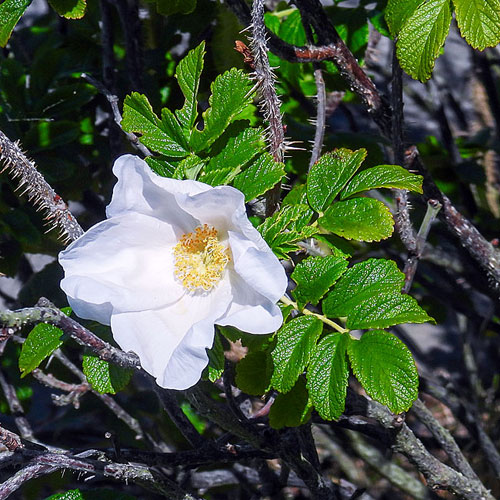
I passed a small area of Beach Rose bushes. Attracted by the buzzing of bees going crazy amongst the pollen-rich
stamens, I started photographing the White-tailed Bumblebees. As a wee bonus, I found Oedemera
virescens, one of 4 species False blister
beetles. Further round
still, a Goldfinch was singing enthusiastically from the top of a
path-side tree. Just as
I completed my circuit back at the head of the loch, I encountered a
family of Great Crested
Grebes. However, they were spooked by a passing dog walker before I
could photograph
them properly.
| White - tailed Bumblebee |
Beetle - Oedemera virescens, |
 |
 |
| Goldfinch |
Great
Crested Grebe |
 |
 |
Tuesday
pm &
Sunday, 10th & 15th June: Strathclyde Country Park
Rather disappointed with my relative trickle of sightings at Broadwood,
and because the weather
was still very pleasant,
I ventured out on Tuesday afternoon to Strathclyde Country Park for a
wee top-up of
sightings. I
parked at the Foreshore car park 8 and walked a path that would take me over the footbridge
across the South Calder river to a dipping pond where I hoped to see Damselflies and perhaps
even Dragonflies. North Lanarkshire Council have an ongoing
“Mega flora
wildflower
project” that seeks to
“naturalise and
enhance grassland management” in
the county. I passed the
latest mass flowerbeds which was mainly populated by Oxeye Daisies.
The daisies were dancing
in the breeze and were already proving as popular this year as the were last year. I crossed the
footbridge and made my way to the dipping pond. There were Azure Damselflies gently
hovering around the edges of the pond. Less delicate were the much
larger and faster Four-spotted
Chaser dragonflies . Luckily, one dragonfly had a
favourite perch only a
metre or so from
the edge of the pond, and I was able to get some very pleasing
pictures. I continued
my walk around
the loch, but the only other picture I took was of a Common
Toadflax
plant growing by the
Clyde
Bridge on the Hamilton Road.
I revisited the park
briefly on Sunday. It was much cloudier and I had only a short, late
afternoon walk.
I’m glad
I did, because I found that a Greylag flock contained a surprising
visitor.
The bird of which I
speak is tricky to pick out in the above wide-angle photo, but at higher magnification you can
see that it is a Snow
Goose. It is thought (by the SOC) to be
of feral origin (the
wild ones
sometimes migrate here in the winter months, but are rare in the
summer, far outnumbered
by the feral
population). It is currently feeding with one of the Greylag flocks near the Foreshore car park.
There are other Greylags with young that I photographed not far from where I saw the Snow
Goose. I also snapped a young Pied Wagtail that was feeding along the
water’s edge.
| Snow
Goose |
Juvenile
Greylag Goose |
 |
 |
| Greylag
Goose |
Juvenile
Pied Wagtail |
 |
 |
Wednesday, 11th June:
Stevenston and Irvine Harbour
On Tuesday night, sunny
intervals were promised for Wednesday by the weatherman. So I decided that
I’d like a trip to the North Ayrshire coast. So I travelled
there on Wednesday morning,
arriving at Stevenston
Point as the Sun broke through the early clouds.
The picture below shows
the view across the East Shore, looking towards Saltcoats.
The tide was fairly high
and there weren’t many birds on or around the waters. I did
spot a snoozing Dunlin
and a
few Oystercatchers on the rocks. As I walked around the Point
perimeter, I found a
half-hidden
patch of Yellow Loosestrife. I was just about to snap a Magpie that was
sitting on a signpost
when it
was ‘mobbed’ by some Barn Swallows. However they
were chasing it so that
they could gather
mud from a puddle (presumably for nest building or repair). I also
captured shots of a
Honey Bee on
a white Beach Rose and a wandering Jackdaw.
| Dunlin |
Oystercatcher |
 |
 |
| Yellow
Loosestrife |
Barn
Swallow |
 |
 |
| Honey
Bee |
Jackdaw |
 |
 |
I relocated a short
distance to the sand dunes that overlook the East Shore, hoping to see butterflies, flowers or
birds there. I got off to a great start when a pair of Stonechats made themselves very visible
in defence of a young Stonechat that was calling from a bush. I
didn’t hang
about and made my
way to the top of the dune area. On the way there, I passed white Sea Campion flowers and
small violet Sheep’s-bit
flowers. I also got a record
shot of a Linnet, and
also a shot of a
Meadow Pipit that thought it was hiding behind grass.
| Female
Stonechat |
Male
Stonechat |
 |
 |
| Sea
Campion |
Sheep's
Bit |
 |
 |
| Linnet |
Meadow
Pipit |
 |
 |
As I moved along the
path through the sand dunes, I passed a shoddy-looking Starling and came upon an area of Beach
Roses that were surrounded by overgrown Kidney Vetch. White-tailed Bumblebees were busy on
the yellow Kidney Vetch flowers. As I left the dunes I passed a
Common Valerian in
flower, one of the first I’ve seen this year.
| Starling |
White - tailed
Bumblebee |
 |
 |
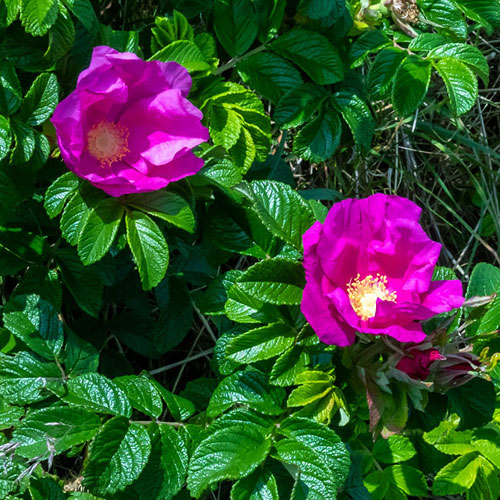
| Japanese Rose |
Common
Valerian |
 |
 |
Finally, I drove to
Irvine Harbour where I got nice views of a Grey Heron standing on the
opposite side of the
river,
before it was startled by a passing jet skier. But once again, there
were none of the usual
sea birds on
show - I suppose they were all reproducing in other places. I had to
make do with searching
for
some more wild flowers that were blooming along the edges of the promenade. Biting
Stonecrop, the most common yellow stonecrop, was thriving on the sloping walls near the
harbourmasters building. Further along the harbour I found Wild
Strawberries under
the prom barriers
as well as White Campion.
| Grey
heron |
Biting
Stonecrop |
 |
 |
| Wild
Strawberry |
White
Campion |
 |
 |
What looked like, at one
stage, as being a rather uninteresting week of sightings, ended up being a rather interesting
week. My highlights are: the beetle, Oedemera virescens, at Broadwood
Loch; the Common
Spotted
Orchid, Azure Damselfly, Four-spotted Chaser and the fairly rare feral
Snow Goose at
Strathclyde
Park, and the Barn Swallows, Stonechat, Sheep’s-bit and Wild
Strawberry at
Stevenston and Irvine
Harbour. If that’s uninteresting then I’ll hope I
have another uninterestingweek next week
Week Ending: 8th
June: Hogganfield
Park LNR, Strathclyde
County Park,
RSPB
Baron’s Haugh
In a week of changeable weather I managed to
get out with my camera to catch the few bright spells and captured some pleasing sightings.
Tuesday
and Thursday am, 3rd and 5th June:
Strathclyde Country Park
On Tuesday, a sunny gap
in the rain was long enough to allow a few shots of the Greylag flock at the north end of
Strathclyde Country Park.
The pathways were
misting up as the Sun evaporated the freshly fallen rain. But, it was
great weather for the
Mallard
ducklings. A Magpie gave me a stare of indignation as I tracked down a couple of Goldfinches
that were nibbling in vegetation near the water’s edge.
|
Juvenile
Mallard |
 |
 |
| Magpie |
Goldfinch |
 |
 |
Below is a view of
Strathclyde Loch looking
down the watersports lanes, with Tinto Hill just visible about 20 miles to the
south.
The weather in the park
was a bit drier on Thursday when I snapped a pair of Bullfinches
in the hedgerows of the
M&D’s fairground car park. As I started my walk there
were Red-tailed
Bumblebees on
the White Clover flowers and on Common
Bistort flowers, and in a wild garden beside the
football pitches, Tree
Bumblebees were busy collecting pollen.
| Female
Bullfinch |
Male
Bullfinch |
 |
 |
| Red - tailed
Bumblebee |
Tree
Bumblebee |
 |
 |
I watched two families
of Greylags as they left the peace and quiet of the watersport starting
bays and paddled to
join the
main flock on the water. Some pretty Red Poppies and Oxeye Daisies were flourishing on the
pebbled loch edges.
A huge flock of at least
100 Greylags, Canada Geese and Mute Swans were amassed at the beach near the Foreshore
car park.
Wednesday and Friday am,
4th and 6th June: RSPB Baron’s Haugh
Wednesday morning was
fairly sunny, but with a cold breeze which made me wish I’d
brought my gloves when
I visited
Baron’s Haugh. On the path into the Marsh Hide I photographed
a nicely illuminated
Piggyback
Plant before I encountered a trio of insects : an Early
Bumblebee,
and an
Azure and
a
Blue-tailed Damselfly .
| Piggyback
Plant |
Early
Bumblebee |
 |
 |
| Azure
Damselfly |
Blue - tailed
Damselfly |
 |
 |
From inside the Marsh
Hide I was disappointed at how few birds were on show. I had to settle
for a Little Grebe and
a
distant drake Gadwall. However, on my way to the Causeway Hide my demeanour changed for
the better when a Roe
Buck came trotting down the field and jumped over the fence,
some 10m in front of me.
Sadly though, the view
from the Causeway Hide was just as devoid of birds as in the previous hide.
Only the wandering of a
line of cattle took my interest.
So I don’t
know why I returned there a couple of days later - but I’m
glad I did. As I photographed
a distant group of
Lapwings and Greylags, another birder asked me, “Have you
seen the Avocets”? I
had not, but I immediately located the pair, each of which
was feeding
separately,
scooping the water with
their curved beaks. Gradually they edged closer and closer until they
met at a shallow pool.
The
female adopted a pose which invited her partner to copulate - which he did. Afterwards they
each carried out some nervous preening before resuming their foraging.
Delighted with my
pictures, I decided to check out the River Clyde for Otters that had
been seen there earlier
in the
day. The picture below is a panoramic photo of the river and Haugh,
taken using my iPhone
camera.
I got a bit excited when
an otter-like shape moved across the river. It wasn’t an
Otter though, but was
an American
Mink. It quickly swam onto the near bank and disappeared into
the undergrowth.
As I waited
optimistically for it to re-emerge, I snapped a shot of a pair of Mute
Swans and a large patch
of White Clover
growing on the recently created overflow channel at the site of the
now demolished Phoenix
Hide. There
being no sign of the Mink, I followed the footpath around behind
the Haugh, following the
river upstream. I stopped a few times to photograph a few things that caught my attention. A
Speckled Wood butterfly, then a lovely Dog Rose followed by a couple of shots of Small
Tortoiseshell butterflies were satisfying (but not as
satisfying as a shot of an
Otter).
My final shot at the
river was of a family of Mallards paddling quickly down the Clyde, maybe aware of the presence of
humans walking by the riverside.
Back at the car park, I
noticed a large Smooth
Lady’s Mantle plant. Also,
insects were flocking
to a large area
covered in French
Cranesbill plants
including Hoverflies, such as
Eristalis Arbustorum,
and bees
including Carder Bees.
| Smooth Lady's
Mantle |
French Cranesbill |
 |
 |
| Hoverfly -
Eristalis Arbustorum |
Common Carder
Bumblebee |
 |
 |
Thursday pm, 5th June:
Hogganfield Park LNR
I made a brief afternoon
visit to Hogganfield Park to check out the Great Crested Grebes, which
is one of my favourite
birds. There were reports of chicks thriving quite close to the main
path, and sure enough,
as soon as
I arrived there was a Great Crested Grebe family only about 40m from
the car park - male and
female adults plus two juveniles - sometimes within two metres of the path. They were very
entertaining to watch and I took quite a few pictures.
Besides the grebes, I
snapped a juvenile Cormorant which was perching on the stances in the middle of the loch. A
lot closer was one of several juvenile Coots dipping for pondweed, and a young Moorhen was
foraging beside me as I stood on the bank with my camera. On my constitutional walk
around the loch I encountered a Whitethroat
on the east side of
the park.
| Juvenile
Cormorant |
Juvenile
Coot |
 |
 |
| Juvenile
Moorhen |
Whitethroat |
 |
 |
Despite some spells of
weather, it
was a successfull week with 40 species photographed. My favourites were
the Roe Deer, Avocet and Mink at Baron's Haugh, ther Bullfinches at
Strathclyde Park and the Great Crested Grebes and Whitethroat at
Hogganfield. The weather for next week is predicted to be warmer for a
time - that would be nice.
Week Ending: 1st June Strathclyde Park
, Maidens, James
Hamilton Heritage Park
Several weeks of
gorgeous weather finally came to an end and it was back to
“sunshine and
showers”.
Tuesday, 27th May:
Strathclyde Country Park
I had a brief walk in
Strathclyde country Park in between showers. I came across the unusual Yellow
Rattle flowers and
Common Figwort, with its small brown flowers, at the side of the path that starts at the other side
of the footbridge across the river Clyde and leads to South
Haugh, Hamilton. On the
same section of path there was also Broad-leaved Willowherb. The path
runs under the Motherwell Road and continues alongside the River Clyde.
On its bonny banks I
found the
hoverfly, Volucella
pellucens, sunbathing on a Hogweed flowerhead.
| Yellow
Rattle |
Common
Figwort |
 |
 |
| Broad - leaved
Willowherb |
Hoverfly
- Volucella Pellucens |
 |
 |
In the same section of
riverbank I snapped the Root Maggot Fly, possibly Hylemya
alcathoe, as
it sat on Common Nettle flowers. Nearby, Carder Bees were busy
searching for pollen in
Common Comfrey flowers. Eventually I retraced my steps back to
Strathclyde Park and I
finished my photography session with a shot of Germander Speedwell
flowers, followed by a
pleasing shot of a nervous Blackbird on a tree branch.
| Fly - Hylemya Alcathoe |
Common
Carder Bumblebee |
 |
 |
| Germander
Speedwell |
Blackbird |
 |
 |
Wednesday,
28th May: Maidens
Since the weather
forecast for southwest Scotland was fairly optimistic, predicting sunny intervals, I considered going somewhere on
the Ayrshire coast. Social media had reports of a Western Sandpiper at Maidens, so that is
where I headed.
However, it was
unfortunate that, when I had arrived, the in-coming tide had already
flooded the harbour
basin and was still on their rise. The unwanted outcome of this was
that all of the waders
that I had wished to photograph had stopped feeding and were
effectively hiding among the
boulders on the northern
periphery of the harbour.
A band of birdwatchers
were assembled on the foreshore, their telescopes pointed towards the boulders. I trekked out of the car park to
join them. Bramble buds were starting to flower and a few Mallards and Mute Swans were on the
harbour waters. I briefly watched lively antics of House Sparrows as they moved about a patch of low
bushes that bordered the harbour.
| Bramble |
Mute
Swan |
 |
 |
| Mallard |
House
Sparrow |
 |
 |
Once I’d reach the assembled
birders it was obvious that the waders were well-hidden. The light wasn’t good either, so I reckoned
that they might be found more easily from the harbour, and by the time I’d walked over the Sun
might appear. As I set off, a pair of Shelducks flew in and began
feeding….
…. They
quickly flew off though, probably when they noticed the crowd of
birdwatchers. I noticed
a rather lonely clump of Lupins
growing at the side of the harbour. It was well outnumbered by the many clumps of Sea Radish plants.
| Male
Sherduck |
Female
Shelduck |
 |
 |
| Lupin |
Sea
Radish |
 |
 |
When I got to the
harbour a wee Rock Pipit was on the harbour wall. A couple of Eiders
appeared near the
harbour mouth and a lone Oystercatcher stood at the far end of the
breakwater.
| Rock
Pipit |
Drake
Eider |
 |
 |
| Female
Eider |
Oystercatcher |
 |
 |
Below is a view of the aforementioned
breakwater, as seen from the end of the harbour:
I positioned myself
safely near the harbourside on my faithful 3-legged stool and set my
camera zoom to its
highest setting (equivalent to 2000m focal length) and began scanning
the line of boulders
opposite. It wasn’t long until some small wader activity was
seen, albeit at about 60m
away: Dunlins, Ringed
Plovers and the Western
Sandpiper , which was, unfortunately, snoozing with its head tucked under its
wing. Eventually the waders moved to the far side of the boulders. So after I snapped a female
Mallard that perhaps displaced some of the waders, I decided to return to the other side of the
harbour.
Below shows the view of
the breakwater as seen from the north side of the harbour.
I positioned myself
where I could see the north side of the row of boulders where the
waders were thought to
be sheltering. I located a large group of Ringed Plovers and Dunlins
that were tucked behind
small rocks about 40m from where I was standing.
The Western Sandpiper
was spotted once again, and once again its head was under its wing. There was a fairly extensive thicket of
Beach Roses with many bees attending their flowers, such as the Tree Bumblebee shown below. I headed
back to the car somewhat disappointed that I hadn’t managed a decent shot of
the Western Sandpiper, when I overheard a conversation between two of the experienced birders.
They were of the opinion that the Western Sandpiper was mis-identified as an over-wintering
Little Stint which had been at Maidens since the winter.
Hadn’t I
photographed that “Little Stint”? I checked my blog and I had indeed snapped that bird.
I’ve now renamed it as a Western Sandpiper (shown below with a Dunlin and a Ringed Plover).
While I was at the rose
thicket, the waders were disturbed and had flown over to the breakwater. The Sandpiper wasn’t amongst them
though.
Wednesday 28th May:
James Hamilton Heritage Park
On my way home, the
weather was still sunny, so I popped into the James Hamilton Heritage
Park in East Kilbride
to see what I could photograph there. I’m glad I did since
the first birds I met were
Greylag goslings pecking their way along the grass verges.
Of course their protective adult Greylags
were in attendance, as were some Mallards.
Next I met Canada Goose
goslings pecking the grass.
Their adults were blocking the path of
walkers - who didn’t really mind because they were fascinated with the young birds. The birds
slowly paraded along the pathway, accompanied by opportunistic Magpies and Jackdaws on the
look out for easy food.
Eventually I managed to
get past the Canada Geese and on my circuit of the loch I stopped at the west end where there was a family of Mute
Swans in the water of the small nature reserve. An attractive bank of Yellow Flag Irises also
caught my eye. A Grey Heron was prowling on the east
side of the reserve,
searching for small fish, amphibians and invertebrates. I was surprised
to find a small
Northern Marsh
Orchid on the north bank of the loch. I stopped
also at a patch of Water
Forget-me-nots which was being visited by Tree Bumblebees.
| Juvenile Mute Swan |
Yellow Flag Iris |
 |
 |
| Grey Heron |
Northern Marsh
Orchid |
 |
 |
| Water Forget - Me - Not |
Tree Bumblebee |
 |
 |
The next two pictures are views of the south
side of the park showing Mains Castle…
… and the
Watersports Centre:

It was a fairly
enjoyable and productive couple of days in which I photographed 37
species. Apart from the
delightful realisation that I’d already photographed the
Western Sandpiper, my
favourite moments were seeing the hoverfly, root maggot-fly and
Blackbird at Strathclyde Park,
the waders at Maidens
and the goslings and cygnets at East Kilbride. I look forward to thechallenge of photographing birds, insects
and flowers etc. between the showers predicted for next
week.
Highlights - June 2025
We present this month’s gallery of my
favourite pictures I’ve taken during June 2025. They are
not listed in the order they have been taken, but according to a series
of themes. I’ve kept
commentary to a minimum, preferring to let each picture talk for itself.
WINGS
| Avocet |
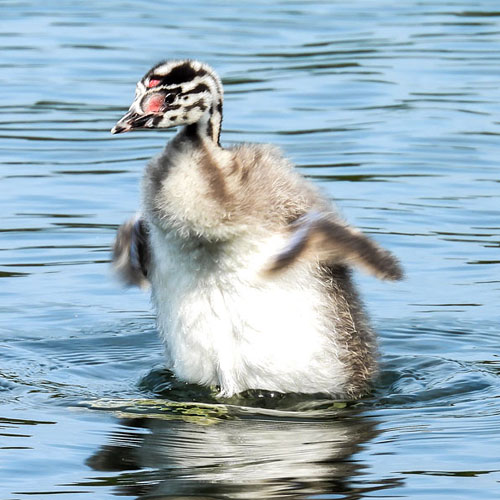
Juvenile Great Crested Grebe |

|
|
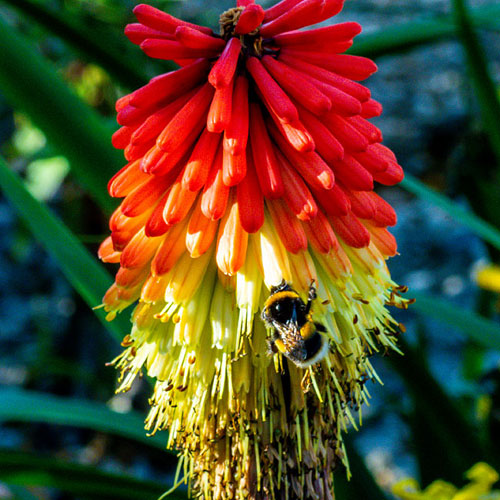
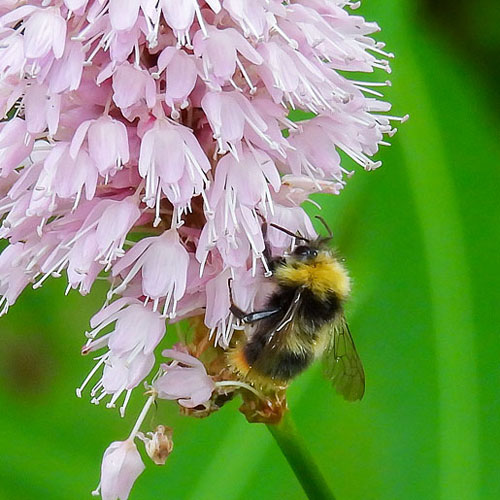
| Buff - tailed Bumblebee |
Early Bumblebee |
|
|
BLOOMING FLOWERS
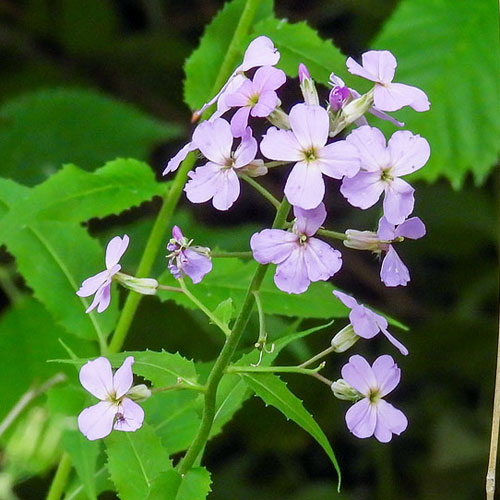
| Dames Violet |
Dog Rose |
 |
 |
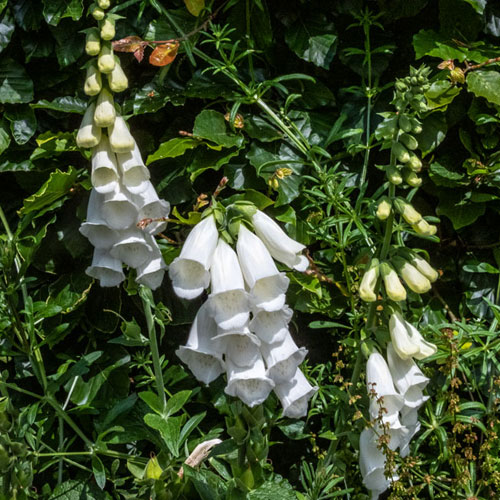
| Foxglove |
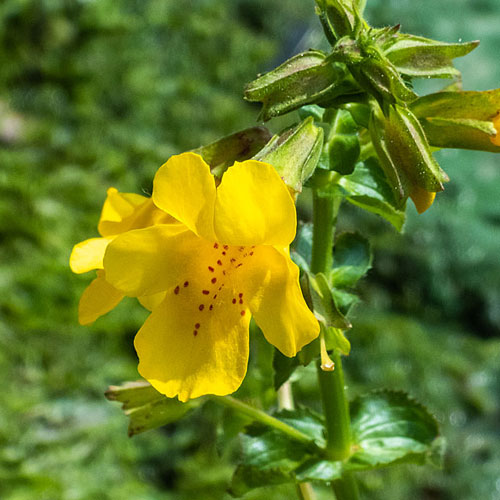
Monkey Flower |
 |
 |
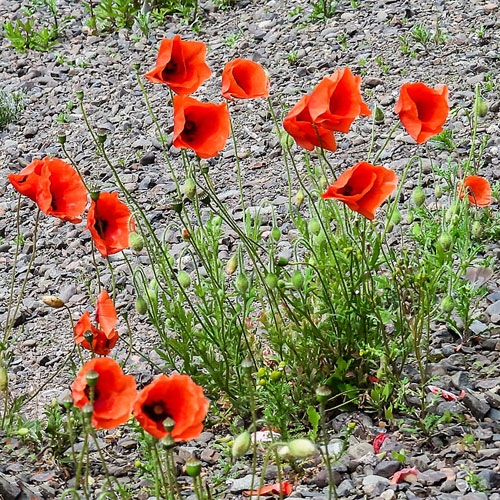
| Red Poppy |
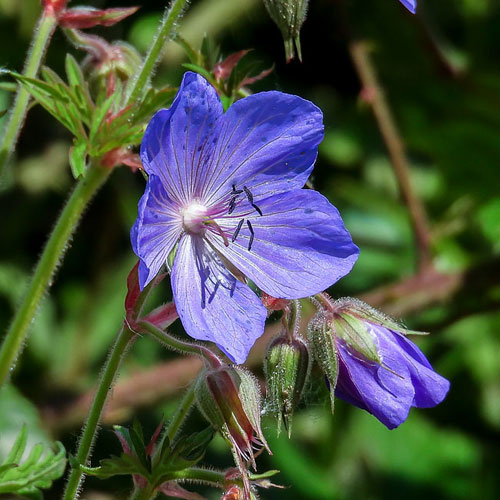
Meadow Cranesbill |
|
|
BUTTERFLIES
| Green - veined White |
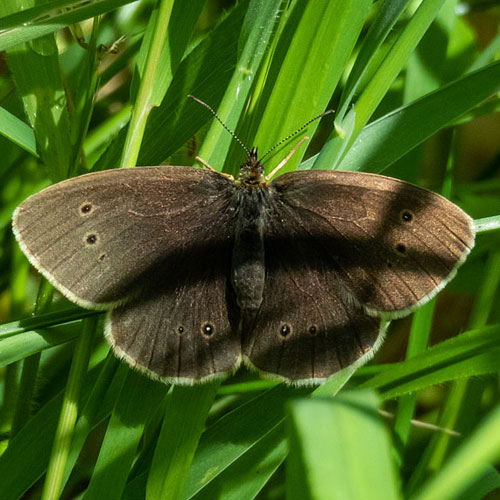
Ringlet |
 |
 |
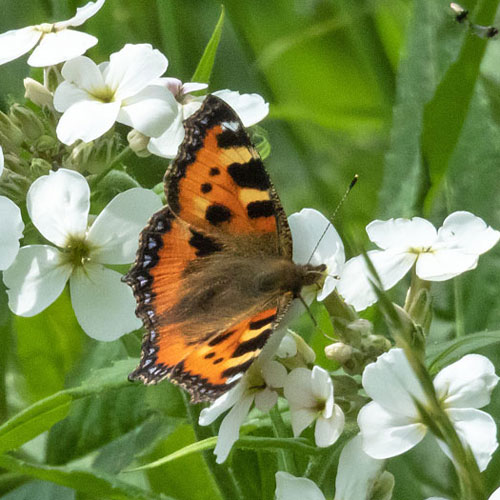
| Small Tortoiseshell |
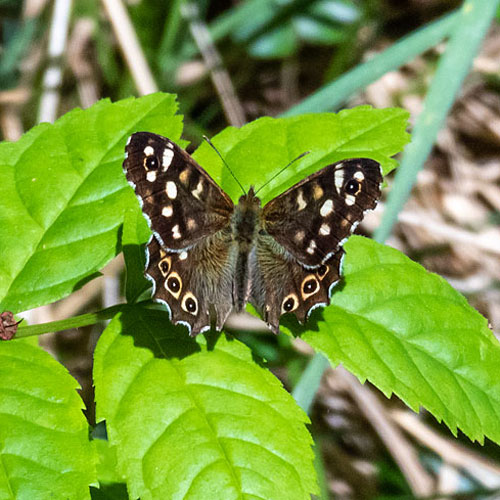
Speckled Wood |
 |
 |
SMALL BIRDS
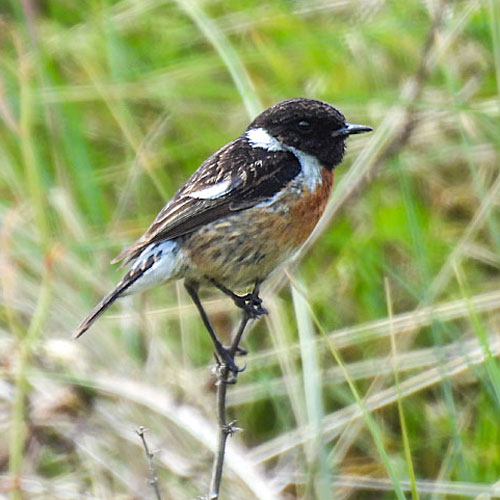
| Stonechat |
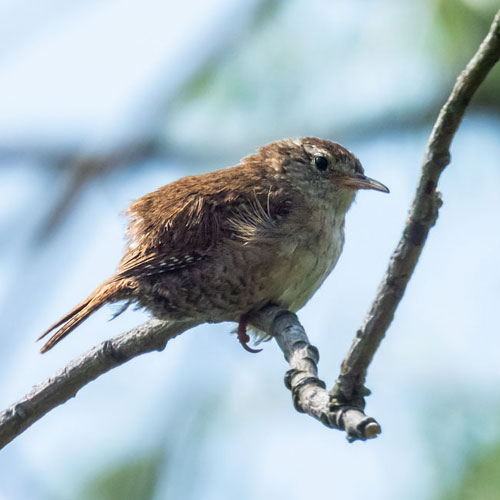
Wren |
 |
 |
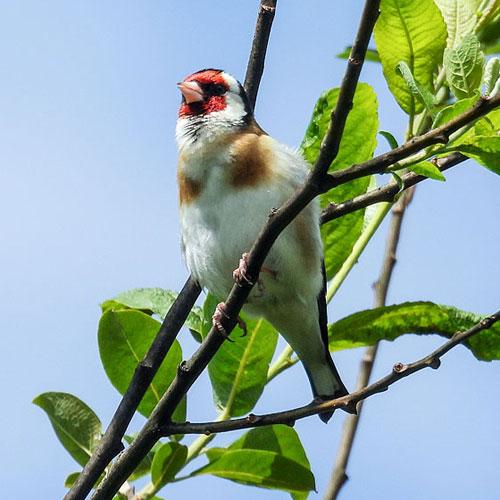
| Goldfinch |
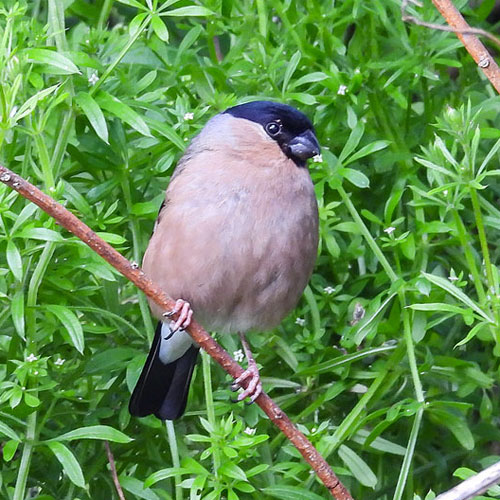
Female Bullfinch |
 |
 |
| Male Bullfinch |
Barn Swallow |
 |
 |
DAMSELFLIES AND DRAGONFLIES
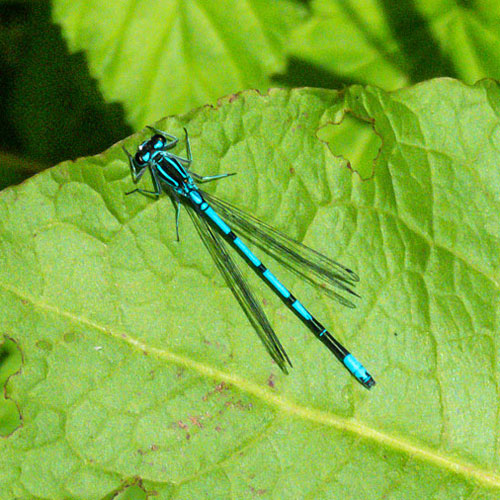
| Azure Damselfly |
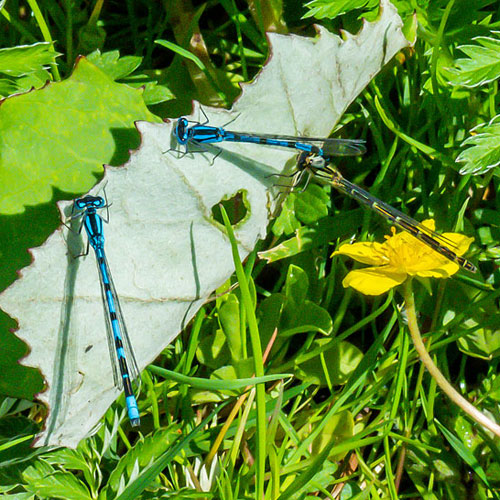
Common Blue Damselfly |
 |
 |
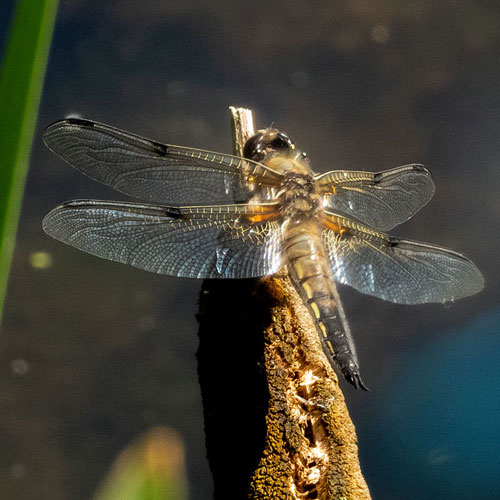
| Dragonfly - Four Spotted Chaser |
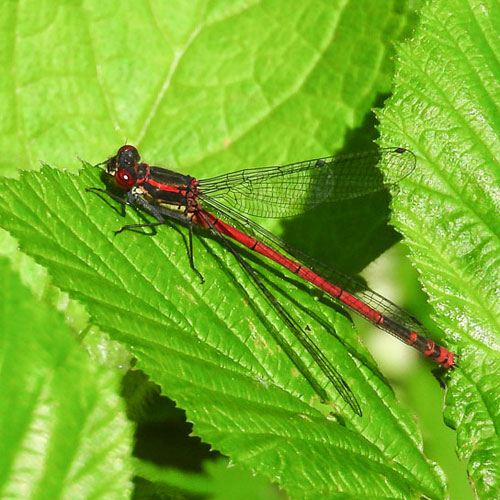
Large Red Dragonfly |
|
|
BIG BIRDS
| Snow Goose |
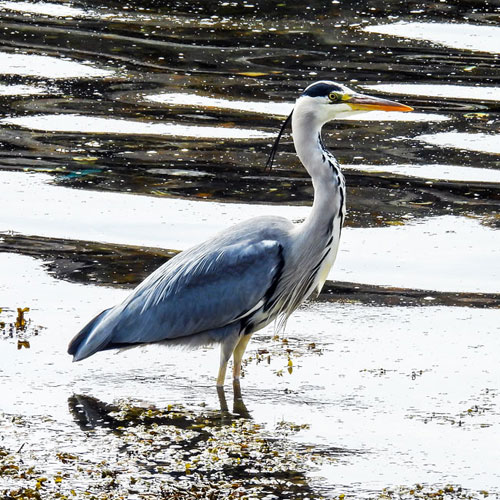
Grey Heron |
 |
 |
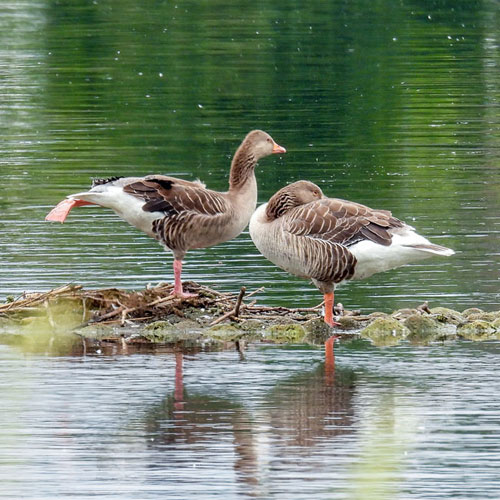
| Greylag Goose |
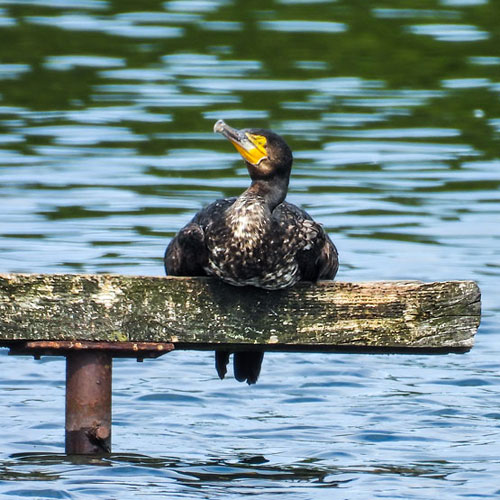
Juvenile Cormorant |
|
|
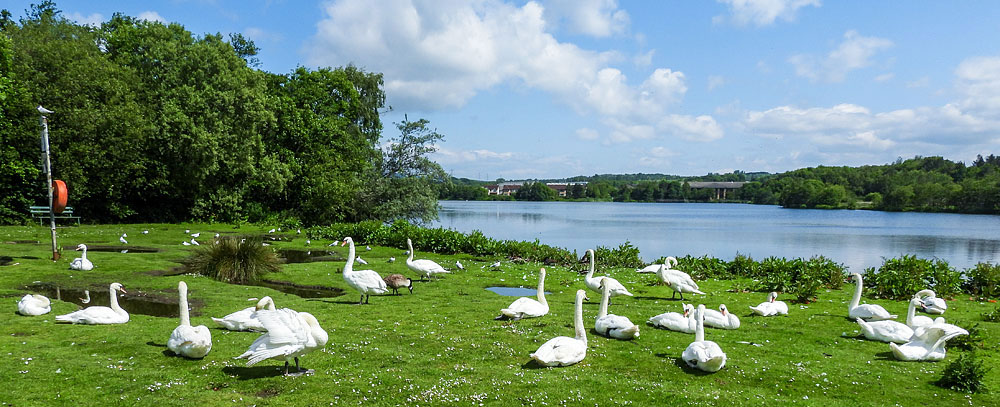
| Mute Swan |
 |
PARK BIRDS
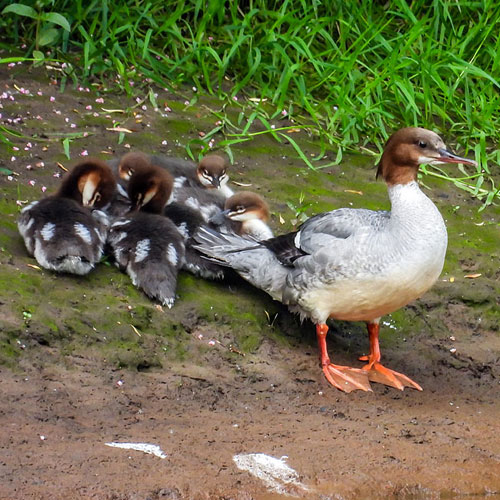
| Juvenile Goosander |
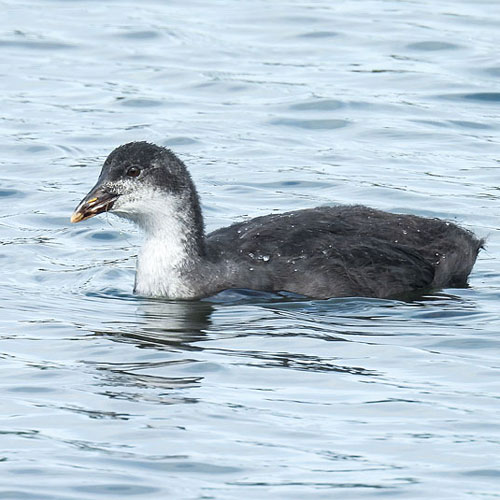
Juvenile Coot |
 |
 |
| Juvenile Great Crested Grebe... |
|
 |
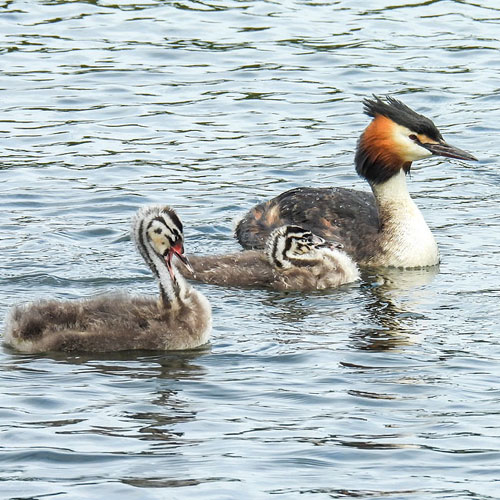 |
| Mallard In Eclipse plumage |
Juvenile Moorhen |
 |
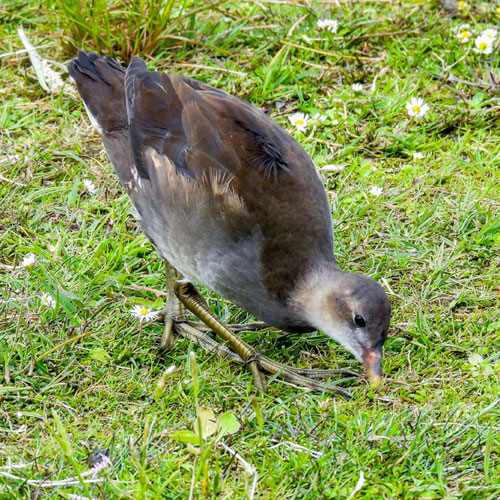 |
| Snow Goose |
 |
| Tufted Duck |
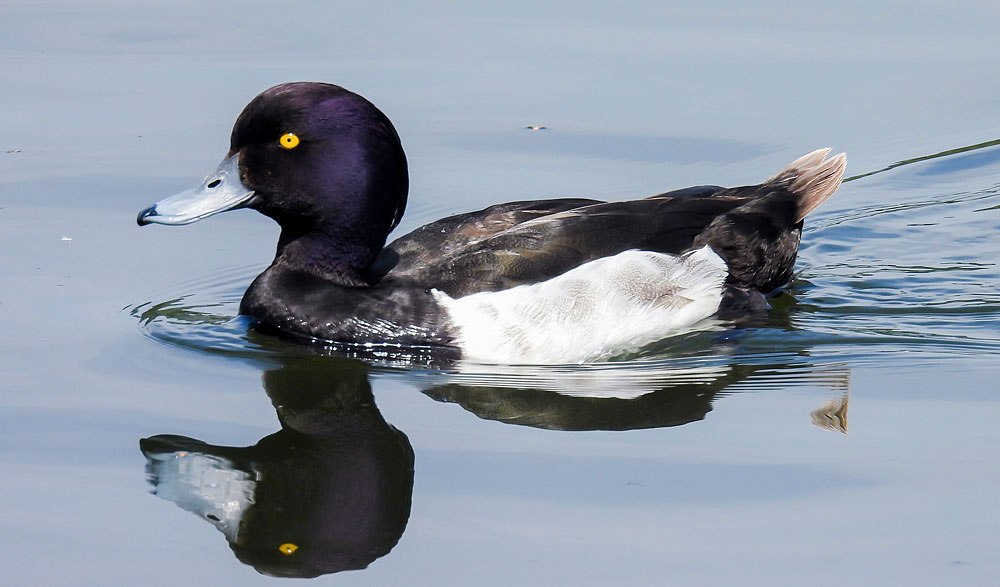 |
MAMMALS
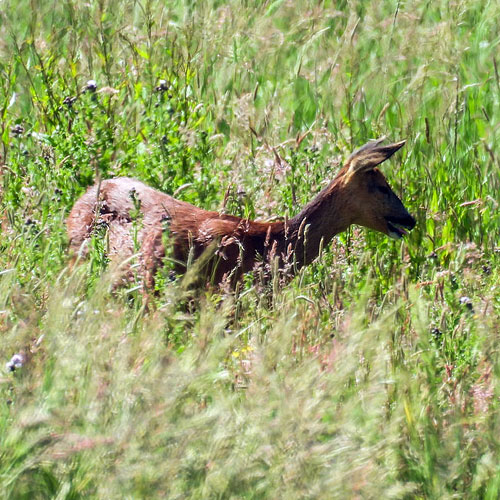
| Female Roe Deer... |
|
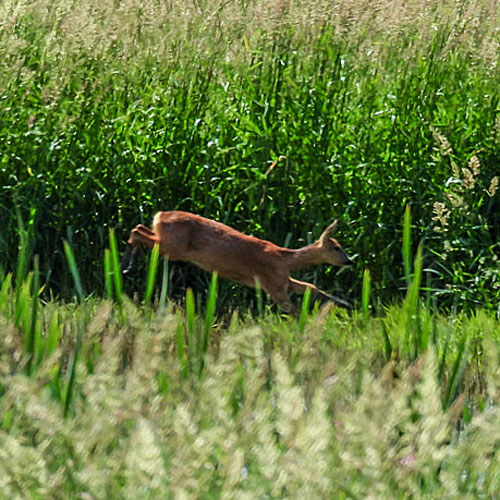 |
 |
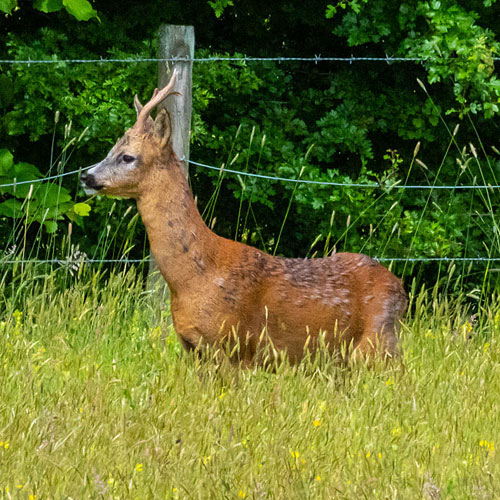
| Buck Roe Deer |
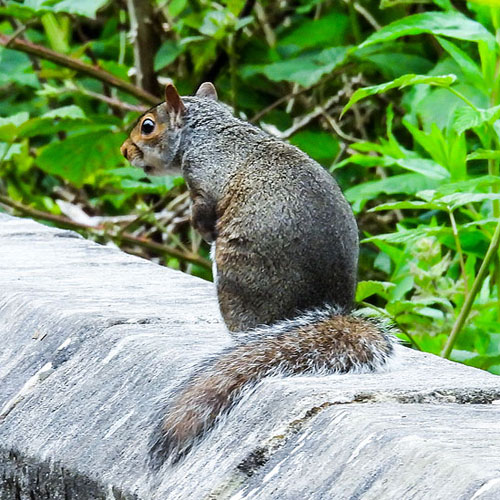
Grey Squirrel |
 |
 |
Back To Top
|