|
Week
ending: 27th July: Stevenston,
Strathclyde
Country Park,
Hogganfield
Park,
Jim’sGarden
Wednesday,
23rd July: Stevenston
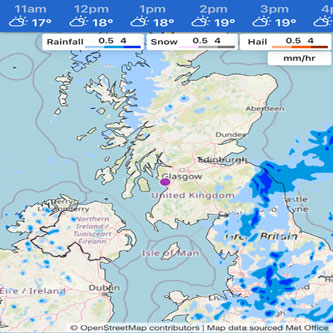
The weather for Wednesday was predicted to be mainly cloudy throughout
the whole of West Central Scotland, with occasional sunny intervals.
There was a possibility of rain in the east, so that is why I decided
to visit Stevenston in the west.
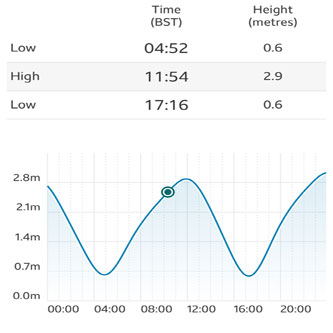
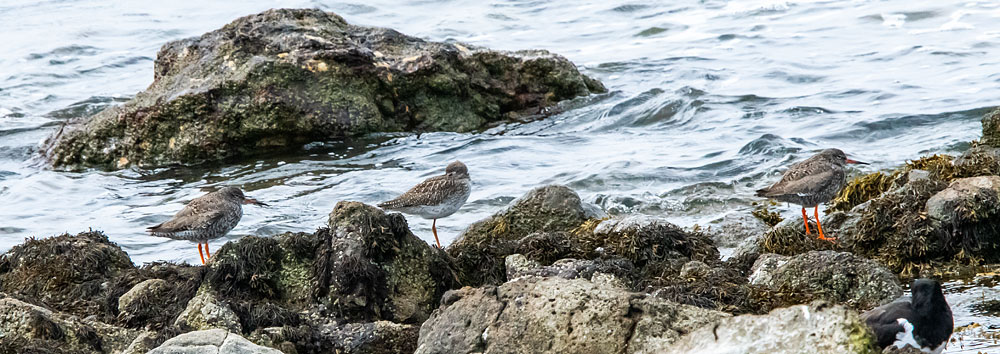
When I arrived at Stevenston Point the tide was nearing it highest
point and there were some birds, such as the Redshanks shown below,
snoozing at the edge of the Point.
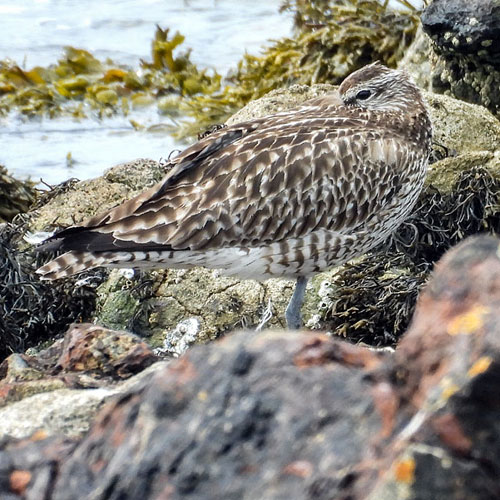
Another of the birds resting there was a Whimbrel
(note its characteristic dark band on its head). Eider and
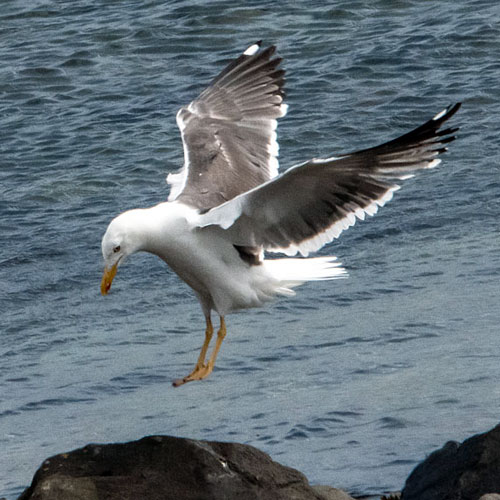
Oystercatchers were in the majority and Herring and Lesser Black-backed
Gulls were coming and going as they scavenged the coast for food.
| Whimbrel |
Female
Eider |
 |
 |
| Oystercatcher |
Lesser
Black - backed Gull |
 |
 |
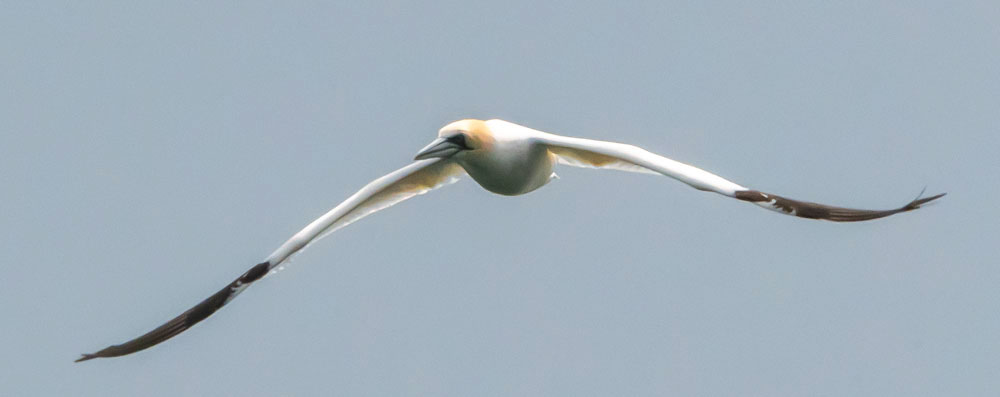
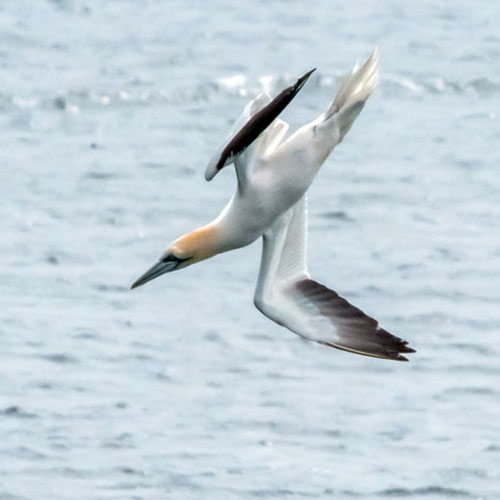
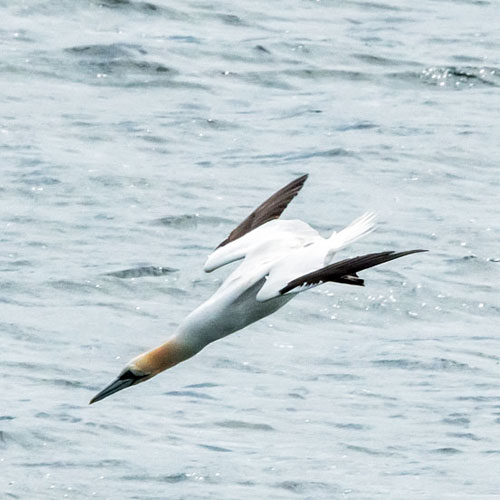
After about a quarter of an hour several Gannets
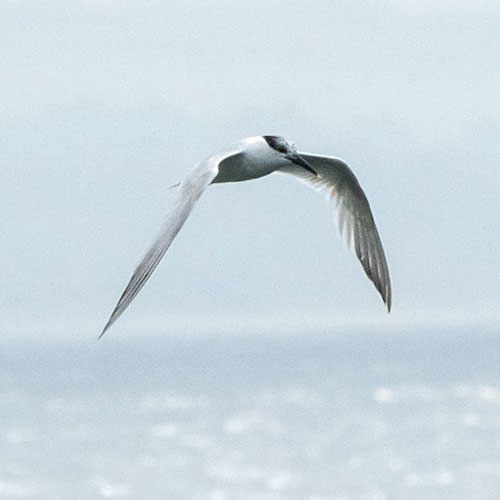
and Sandwich
Terns turned up and began diving to the south of the Point.
They put on quite a show (but since the Sun was behind them, they were
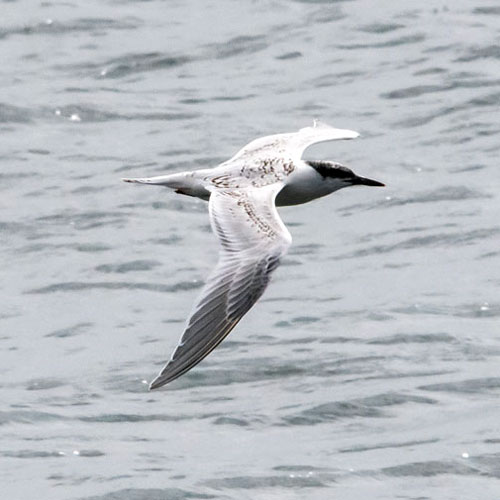
rather silhouetted against the light). There was at least one juvenile
Sandwich Tern (note it’s more patterned wings) diving with
the
adults. As I snapped away merrily trying to capture some decent action
shot, a
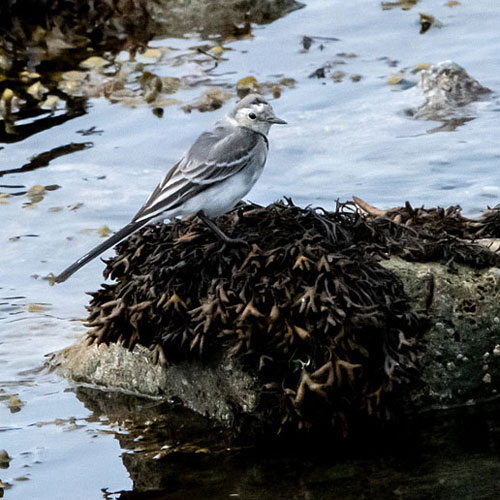
wee female Pied Wagtail landed on the rock close to where I was
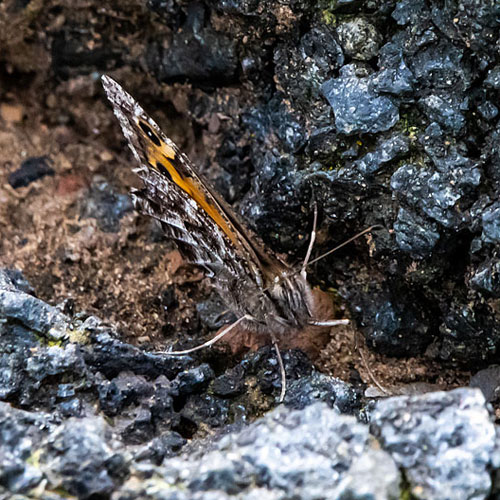
standing. Also, I got a brief sighting of a passing Grayling
butterfly that landed below my feet.
| Gannet... |
|
 |
 |
| 1st Cycle Sandwich
Tern |
Sandwich Tern |
 |
 |
| Female Pied Wagtail |
Grayling Butterfly |
 |
 |
An Immature Herring Gull passed overhead…..
…… and a small flock of Shags that had been
diving just
beyond the range of my camera, decided to relocate and fly west,
passing fairly close to the Point.
After about half an hour, the Gannets and Sandwich Terns moved on and
things quietened down. I decided to check out Auchenharvie Loch and
after parking near the golf course I walked the welltarred path that
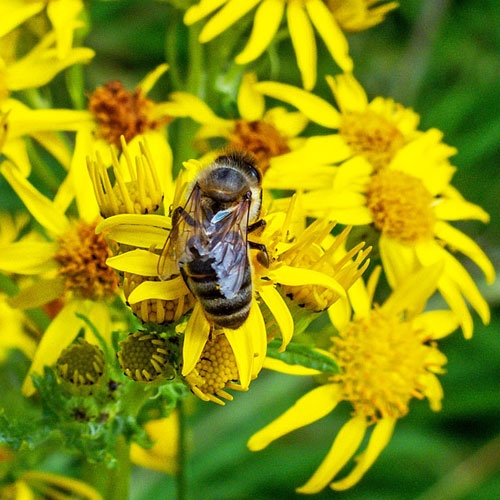
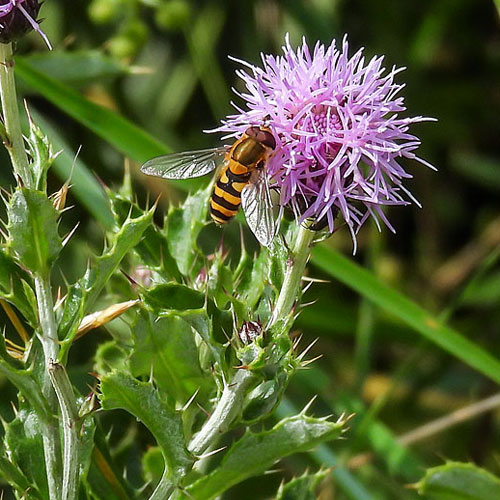
passes the loch. On the way I came across some insects feeding on Common
Ragwort and Creeping Thistles that were growing profusely on the uncut
grass on either side of the path. The insects included Honey Bees, the
hoverfly, Syrphus Ribesii and White-tailed Bumblebees.
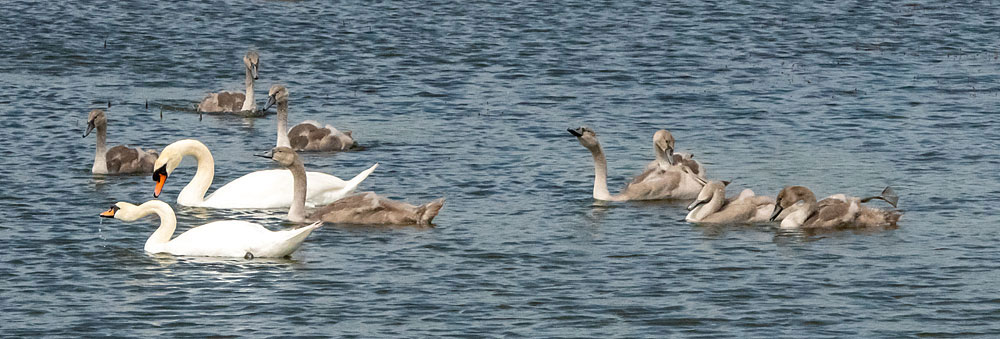
When I arrived at the pond I was pleased to see a pair of Mute Swans
with nine well-grown cygnets. However I was somewhat disappointed to
find that, apart from some gulls and eclipse Mallards there
didn’t appear to be any other birds of note.
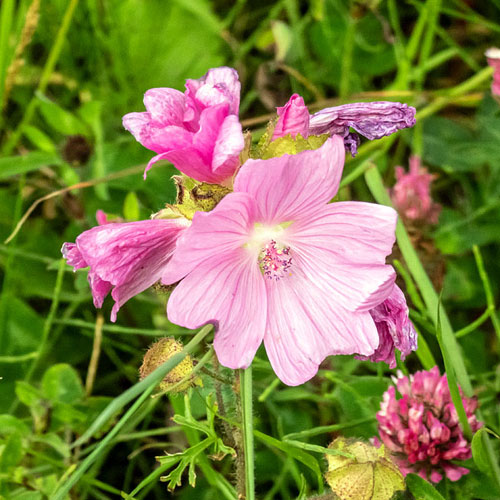
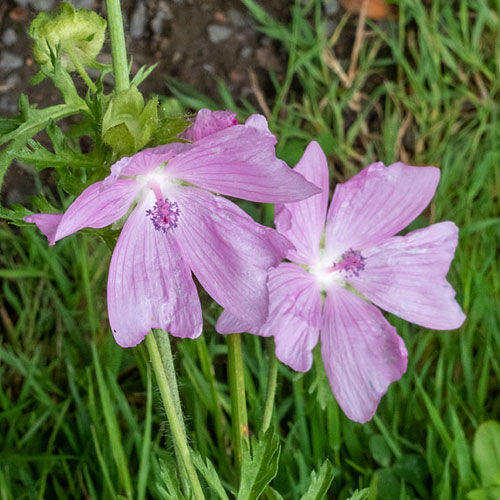
On my way back to the car I admired some Musk Mallow and Lesser Burdock
that managed to grow through the thick vegetation along side the path.
I had been wondering, given the high number of Common Ragwort plants
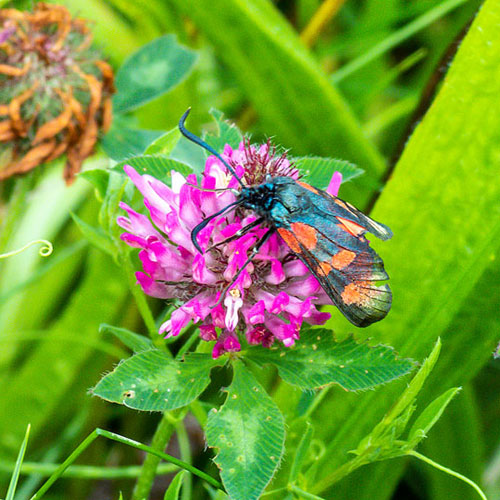
growing among the grass, why hadn’t I seen a Burnet Moth,
whose caterpillars love Ragwort. Then I did see a 6-spot Burnet Moth
which was feeding on a Red Clover flower. And, as I neared the car, I
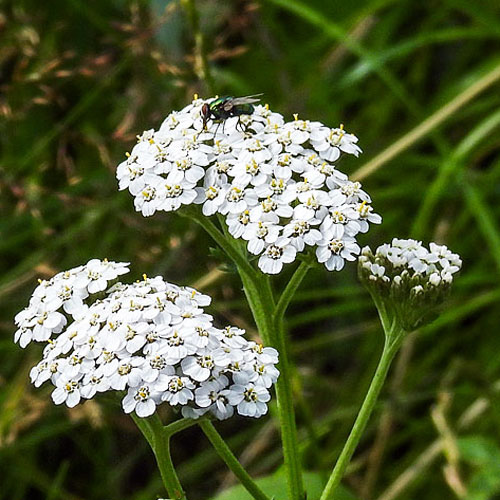
noticed there was a Common Greenbottle, Lucilia Caesar, feeding on some
Yarrow flowers.
After that I did have a wee walk around Saltcoats Harbour but, with the
tide being high, there weren’t many birds around to
photograph.
Thursday,
Friday 24th and 25th July: Strathclyde Country Park
On the next couple of days, I visited Strathclyde Country Park and
focussed mainly on the area where wildflowers were blooming near the
bridges across the South Calder River. I photographed a variety of
wildflowers including Wild Marjoram, Wild
Carrot and Musk Mallow. I also got pictures of some insects,
such as a White-tailed Bumblebee and a Green-veined White butterfly.
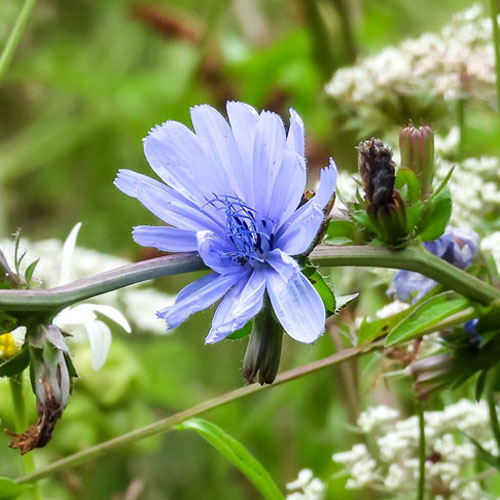
I continued with shots of rambling, untidy-looking Chicory ,
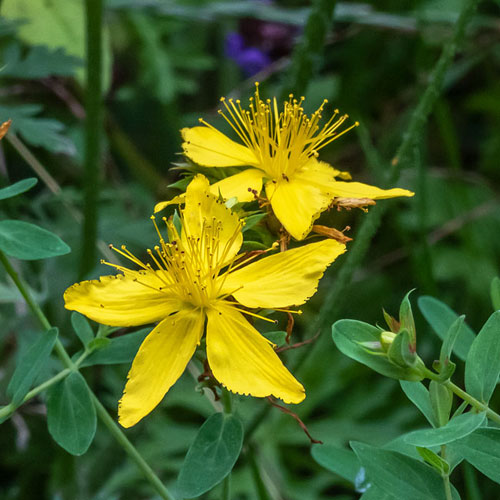
pretty yellow-flowered Perforate
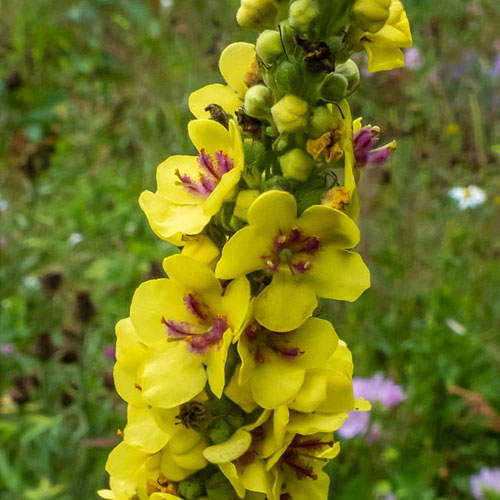
St John’s Wort and yellow-spiked Dark
Mullein.
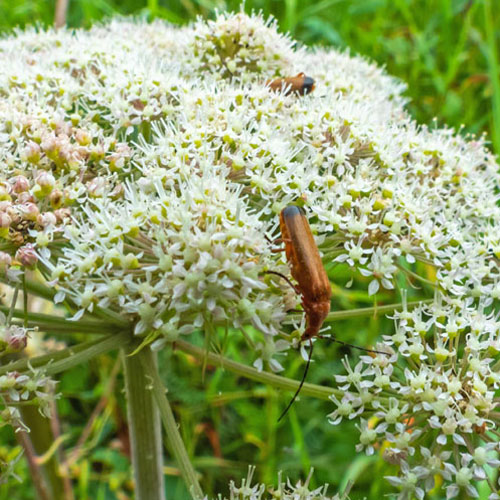
I finished there with a shot of a Red Soldier Beetle that was feeding
on a Wild Angelica flower.
| Chicory |
Perforate
St John's Wort |
 |
 |
| Dark
Mullein |
Red
Soldier Beetle |
 |
 |
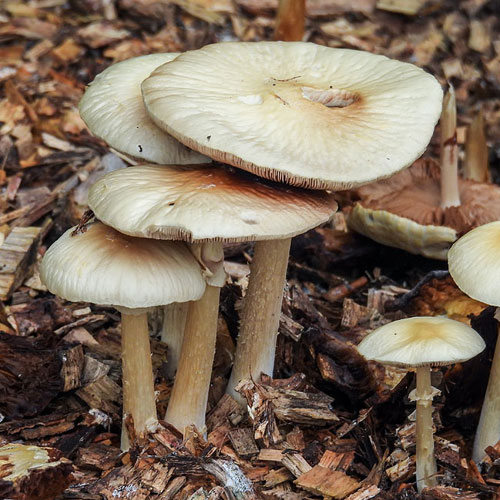
Next I snapped a patch of Wrinkled
Fieldcap
fungus that had sprouted from a pile of sawdust near the Foreshore Car
Park. On the other side of the park, as I crossed the footbridge across
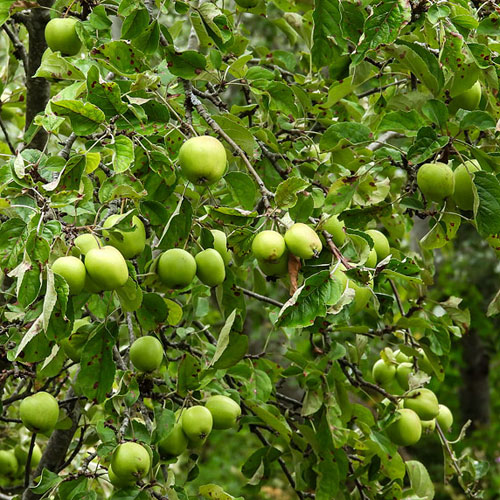
the River Clyde, I took a picture of a tall, heavily-laden Apple tree
that was growing on the river bank. As I walked down the footpath that
leads to the Clyde Bridge (and beyond to Chateherault) I came across a
Marsh Ragwort
plant. And on returning to Strathclyde Loch I was surprised to find a
4ft high Sunflower on the shore opposite the Watersports Centre
probably a legacy of people feeding birdseed to the wild birds.
| Wrinkled
Fieldcap |
Apple |
 |
 |
| Marsh
Ragwort |
Sunflower |
 |
 |
Friday 25th July: Hogganfield Park LNR
On Friday I had a brief visit to Hogganfield and continued with the
wildflower theme. Mid-summer is fairly poor for the birds due to water
birds breeding habits and the difficulties spotting tree birds due to
the thick foliage. However it is a peak time for flowers and insects. I
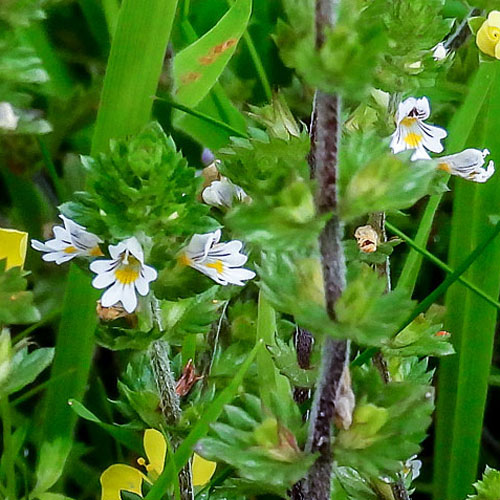
started at the east side of the park with an under-appreciated flower, Eyebright:
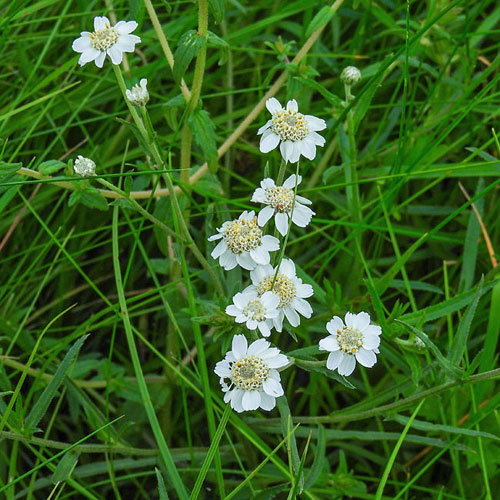
These flowers are tiny (~2mm), but beautiful. Sneezewort was my next
picture - flowers that were once used to treat sneezing. Near these,
were small yellow flowers belonging to Tormentil,
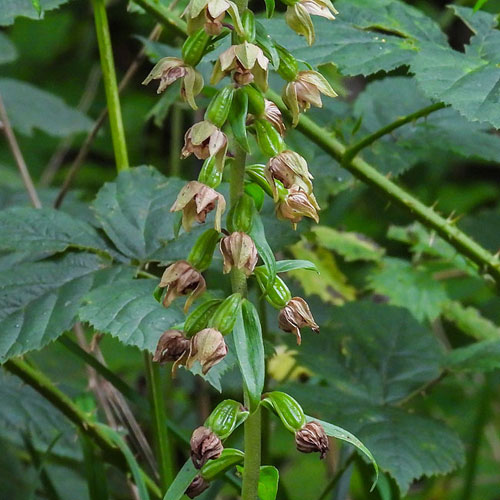
a plant that was one used to treat diarrhoea. Along a shady path beyond
these flowers, was a
Broad-leaved
Helleborine, a member of the Orchid family.
| Eyebright |
Sneezewort |
 |
 |
| Common
Tormentil |
Broad - leaved
Helleborine |
 |
 |
As I left the east side of the park I noticed Betony flowers blooming
through the grasses on the gentle slope on the highest part of the
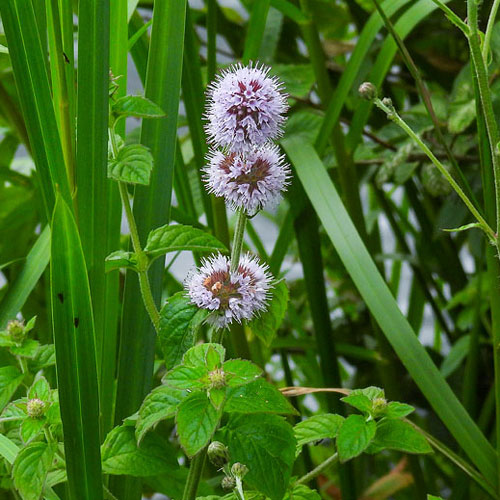
park. All around the edges of the Loch there are Michaelmas
Daisies, Water
Mint and Wild
Angelica - three flowers that differ in a number of
ways: e.g. size, colour and appearance.
| Betony |
Michaelmas
Daisy |
 |
 |
| Water
Mint |
Wild
Angelica |
 |
 |
Friday Evening, 25th July: Jim's Garden
That evening I was relaxing in my garden with a cup of tea, enjoying
the evening sunshine, when I noticed that a pot of Lavender was
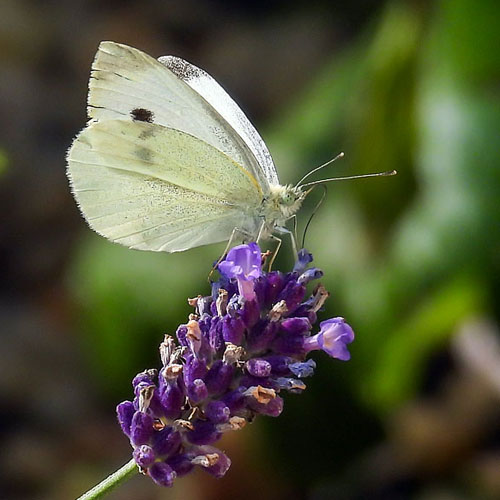
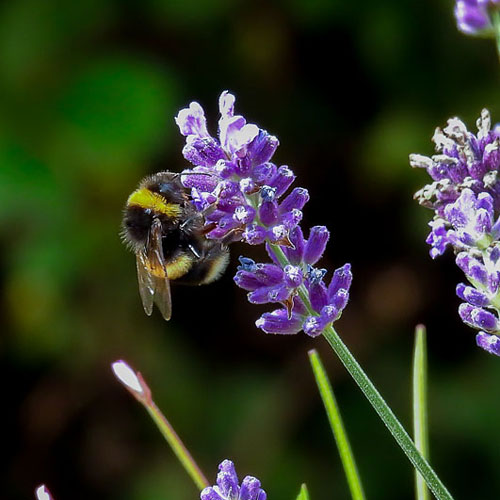
attracting butterflies and bees. I rushed indoors for my camera and I
soon had a few shots of a Small
White butterfly and a White-tailed Bumblebee - a
nice way to finish the week.
| Small White
Butterfly |
White - tailed
Bumblebee |
 |
 |
It was a very productive week - one composed of mainly birds, flowers
and insects - 46 species photographed. My favourites are the Gannets
and the many wildflowers - and it was very pleasing to see a Burnet
moth and Grayling, Small White and Green-veined White. Hopefully next
week I’ll
manage east, as I’ve avoided it because the weather in the
west was best.
Week
ending: 20th July: Broadwood
Loch, The
Kelpies, RSPB
Lochwinnoch
Although
the weather for this week in Central Scotland was predicted to be
fairly warm, there was
to be rain, some of which would be heavy.
Wednesday,16th
July: Broadwood Loch in Cumbernauld
It was mainly cloudy in
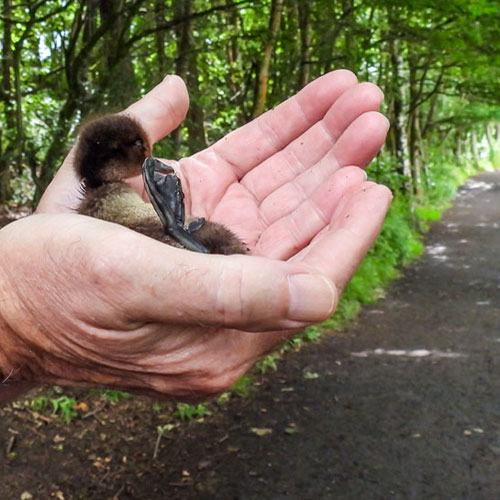
Cumbernauld as I set off on my circuit of Broadwood Loch. I almost trod on my first sighting - a tiny Tufted Duck
duckling that had wandered onto the footpath. The picture
below shows a kind walker carrying it from the path to the edge of the
pond where it could paddle away in
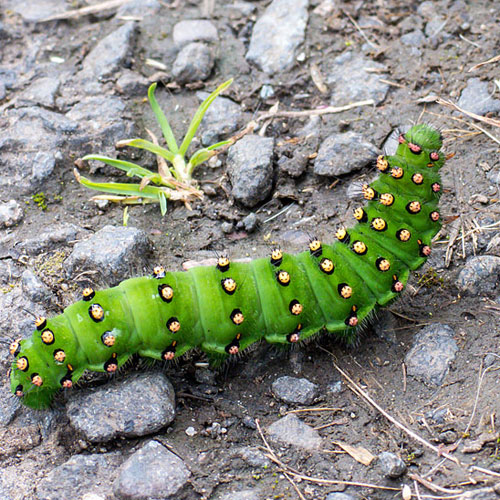
search of its parents. A short time later I encountered a large green Emperor
Moth
caterpillar as it crossed the footpath searching for grass to eat. On
the same stretch of
path, a Robin with a grub in it’s beak was calling from the
branches of a pathside tree. I presume it was looking for its chick. I passed a
patch of grass through which was growing Common Toadflax, sometimes called “butter
& eggs”. In the same area I also discovered Wild
Angelica (a plant
which was important in treating heart disease) and Yellow
Rattle (so-named because its seeds rattle inside their fruit).
| Young
Tufted Duck |
Emperor
Moth caterpilllar |
 |
 |
| Robin |
Common
Taodflax |
 |
 |
| Wild
Angelica |
Yellow
Rattle |
 |
 |
The path took me to a lochside boardwalk
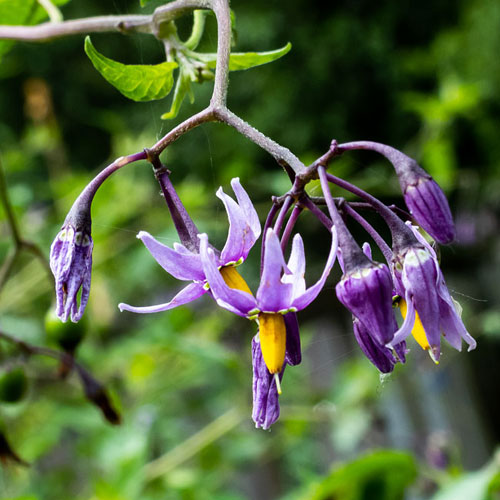
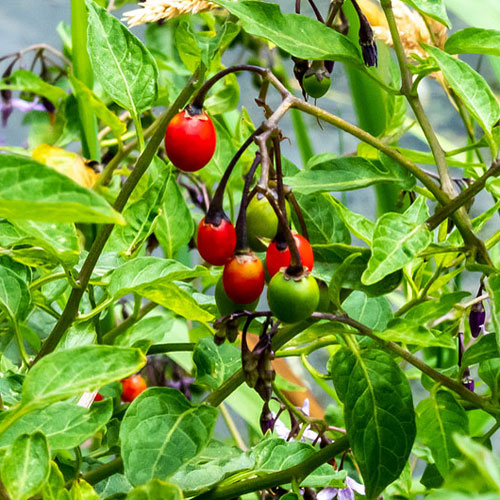
where I spotted a large clump of Bittersweet climbing on the wooden railings. The plant was
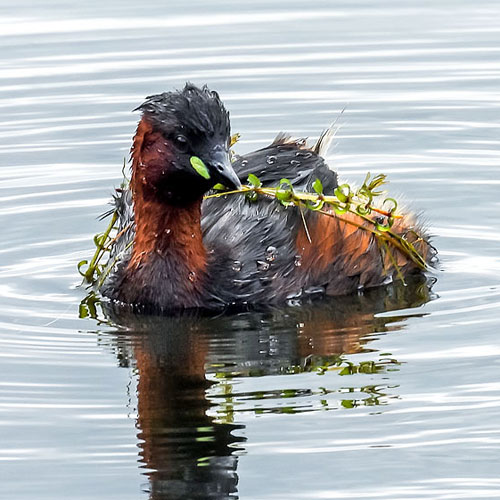
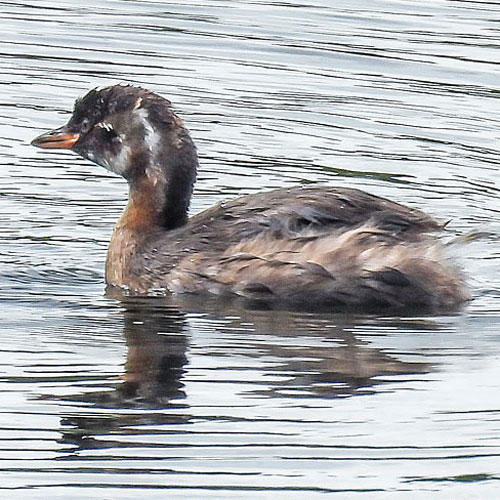
flowering and some of its flowers had already borne fruit. In the water around the boardwalk, a Little
Grebe was diving though pondweed as it looked for food for its chick.
| Bittersweet... |
...Fruit |
 |
 |
| Little
Grebe |
Juvenile
Little Grebe |
 |
 |
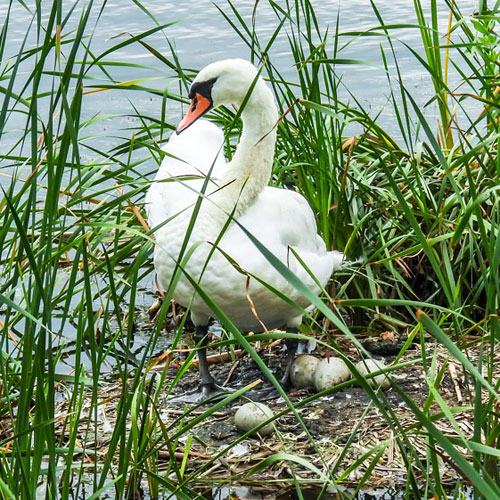
I passed a Mute Swan
that was preening while standing on its nest. Its four large eggs were
lying scattered at its
feet. A passerby told me that its mate disappeared leaving the swan no
option but to leave the
nest to feed - so spoiling their chances of the eggs hatching. Next I
passed a small
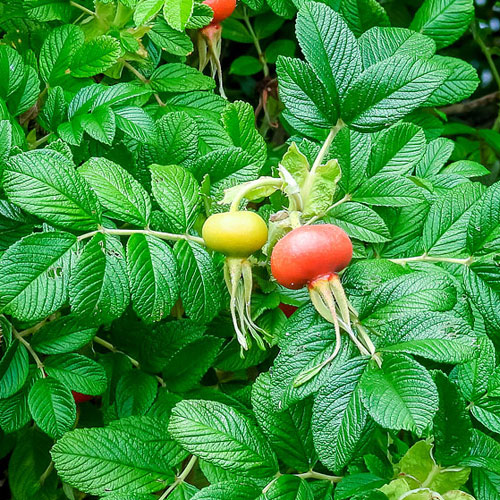
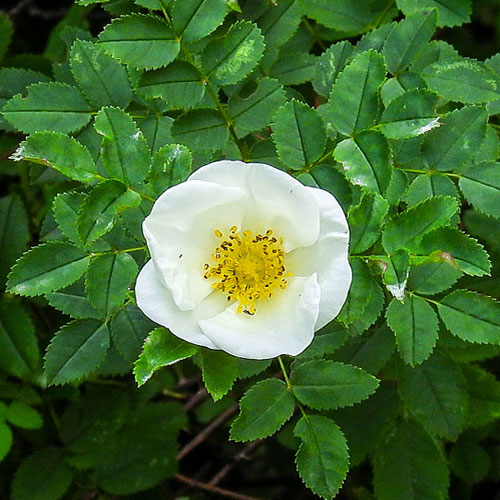
swing park where roses
were growing by the path: red Beach Roses with red hips and white Burnet
Roses with dark purple hips.
| Mute
Swan |
Japanese Rose Fruit |
 |
|
| Burnet Rose... |
....Fruit |
 |
 |
At the head of the loch
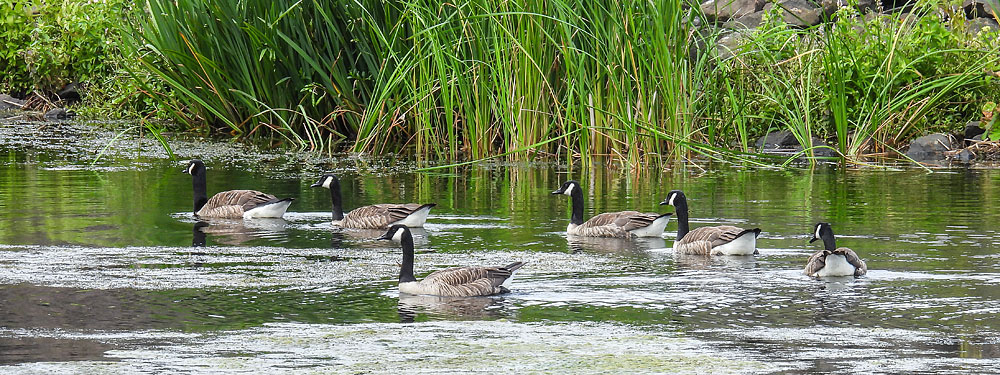
a half dozen Canada Geese were cruising across the pondweed.
A Great Crested Grebe
was diving for fish as I rounded the north end of the loch. I noticed a
large area of Marsh
Woundwort was flowering at the edge of the water. Unfortunately there
weren’t many
sightings of note as I walked along the northwest edge of the loch.
However just before I
reached the car park
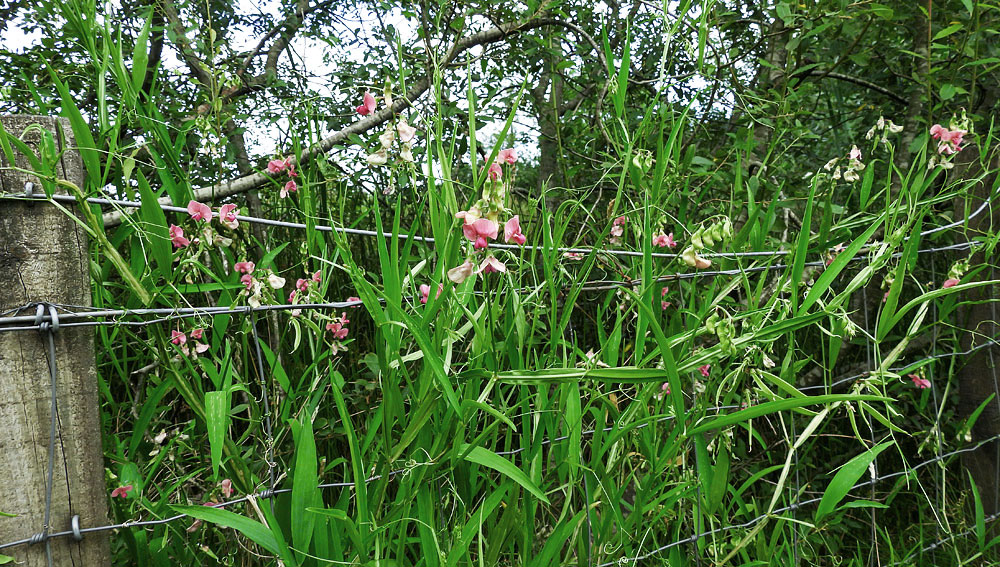
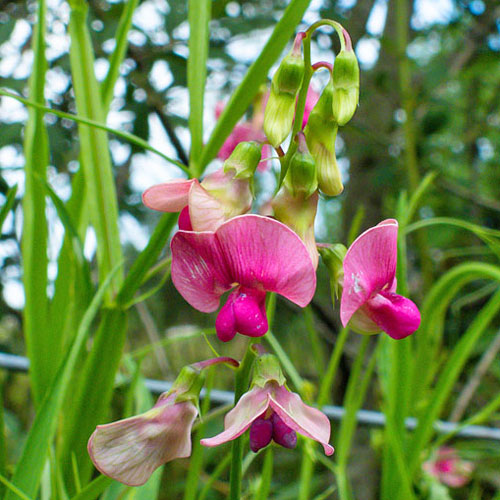
there were pretty blue/purple Tufted Vetch flowers draped over the
fence. But further
along, I found another very pretty flower, namely Broad-leaved
Everlasting Peas …….
| Great
Crested Grebe |
Marsh
Woundwort |
 |
 |
| Tufted
Vetch |
Broad - leaved Everlasting Pea |
 |
 |
…….
which almost completely obscured the fence and some of the neighbouring
plants.
The beautiful red
flowers of the Broad-leaved Everlasting Peas were attracting busy Carder Bumblebees that were performing all sorts
of aerobatics to access where moulting Canada Geese and eclipse Mallards were lounging as
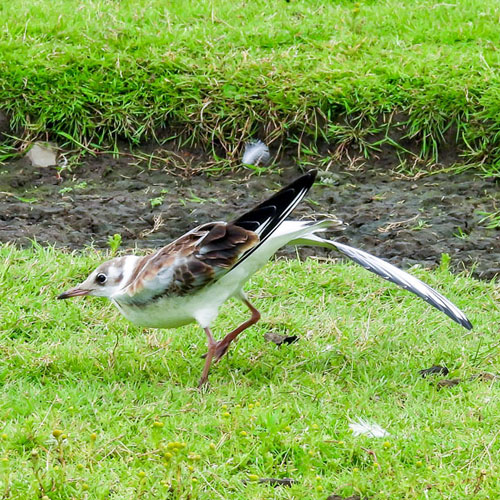
Moorhens walked and pecked among them. A young
Black-headed Gull stood
stretching its wings and crying, waiting on the return of its parent
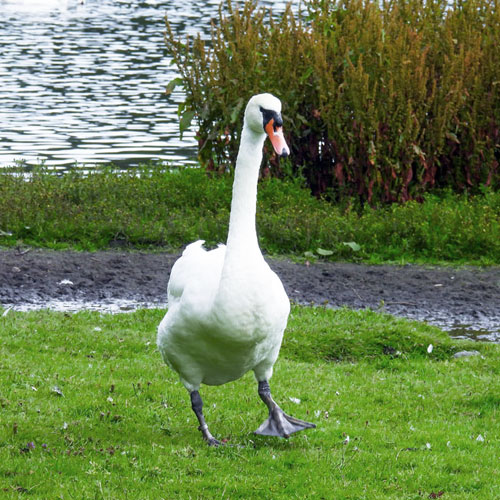
with food. As I took
the photo I was spotted by a hungry Mute Swan that decided I had food
and was approaching me
to get it. It was time to get in the car.
| Common
Carder Bumblebee |
Canada
Goose |
 |
 |
| 1st
Cycle Black - headed Gull |
Mute
Swan |
 |
 |
Thursday
17th July: The Kelpies
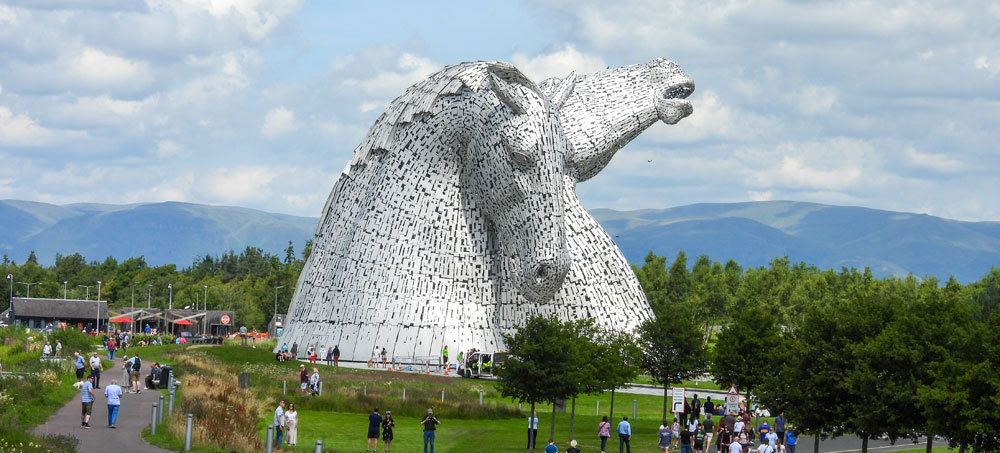
The next day I took my
grandsons to see “The
Kelpies” - genuinely awesome structures just off the M9 at Falkirk. Of course, I
took my camera in case I saw anything on the Forth and Clyde Canal that runs right past the
Kelpies. It’s a major connection between the River Forth and
the River Clyde, and is
also part of the John Muir Way.
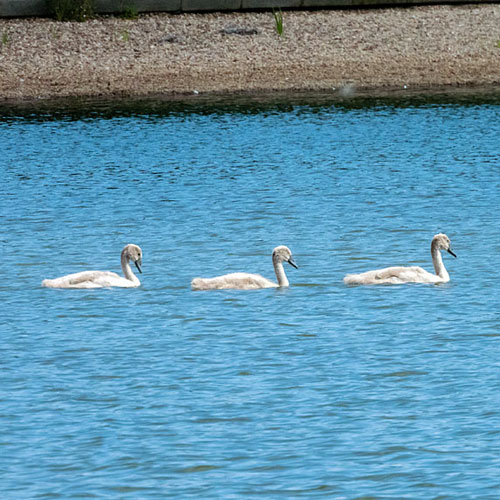
A family of Mute Swans
were on the canal, partially hidden by a bank of lovely Rosebay Willowherbs. More swans were on the pond at
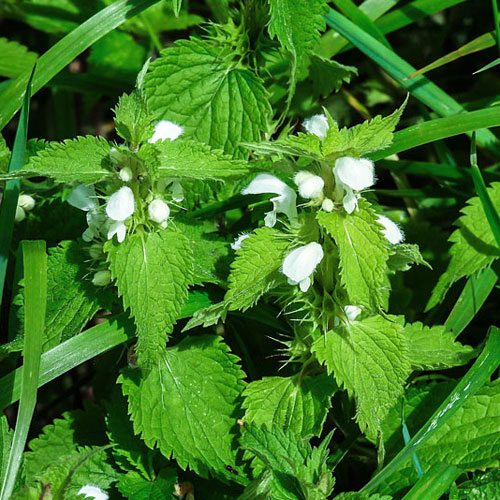
the neighbouring Helix Park. Also, I found some White Deadnettles flowering along the edges
of the footpath and there were White
Water Lilies
blooming in a small pond by the canal.
| Rosebay
Willowherb |
Juvenile
Mute Swan |
 |
 |
| White
Deadnettle |
White
Water Lily |
 |
 |
Friday 18th July: RSPB
Lochwinnoch
My final visit of the
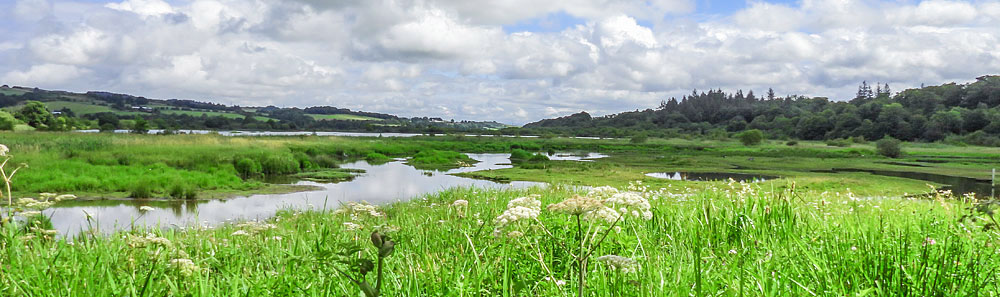
week was on Friday at RSPB Lochwinnoch. The weather was mainly cloudy with occasional sunny spells. Below is the
view of Aird Meadow as seen from the Channel Hide.
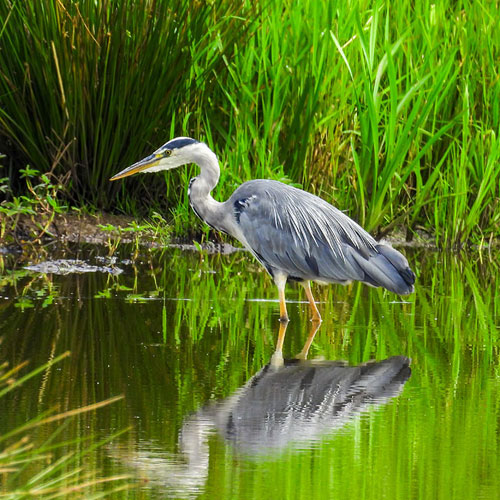
A large Grey Heron was
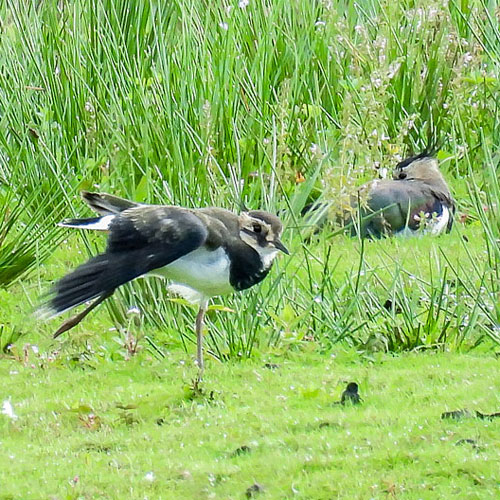
prowling in the shallows while noisy Canada Geese were quarrelling on the Scrapes. Lapwings were also quite
animated. I got a nice close-up of a Common
Wasp chewing
at the wood of the hide to create the material is used to build its
nest.
| Grey
Heron |
Canada
Goose |
 |
 |
| Lapwing |
Common
Wasp |
 |
 |
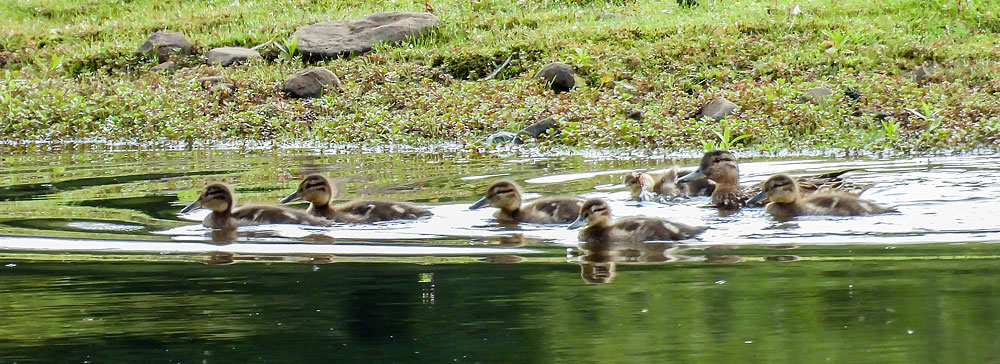
A female Mallard and her
ducklings appeared from the far right of the scrap and hurriedly crossed the scrape onto the channel waters.
I decided to walk up the
Semple Trail and set off past the now derelict Visitor Centre (which, I
was told by one of the
volunteers, is to be demolished). I immediately came upon the hoverfly,
Syrphus ribesii, and a Common
Dronefly which were feeding on a Hogweed flowerhead. At the
bird feeder adjacent to
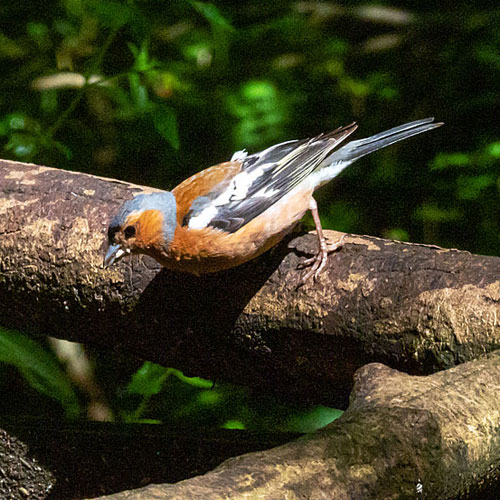
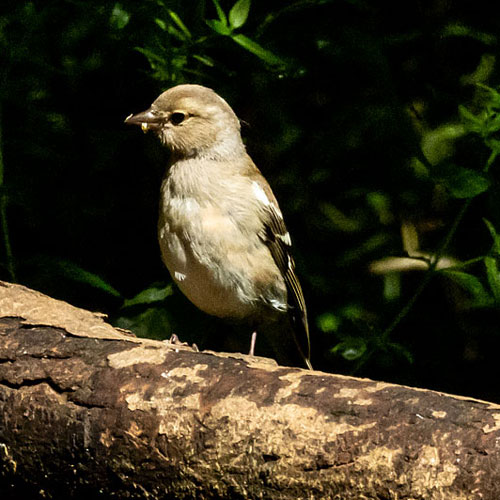
the children’s play area I found mainly Chaffinches but I
also saw a fledgling
Great Tit that seemed a bit lost at it stared up to the feeders where
an adult Great Tit fed
alongside a nervous Nuthatch.
| Hoverfly
- Syrphus Ribesii |
Common
Dronefly |
 |
 |
| Male
Chaffinch |
Female
Chaffinch |
 |
 |
| Juvenile
Great Tit |
Nuthatch |
 |
 |
I moved on past the
feeders, further along the Semple Trail until I got a clear view of the
Aird Meadow Loch. There
were Mute Swans, Canada Geese and Cormorants (all not shown) on biohaven rafts in the distance, but a good
bit closer were a couple of larger nesting rafts intended
for roosting, and maybe
nesting Black-headed Gulls. I snapped a shot of a Black-headed Gulls interacting with its chick, so the rafts
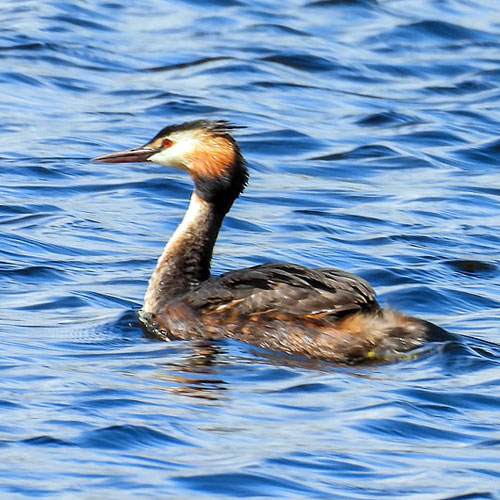
are working. Also I was pleased to see a Great Crested Grebe diving nearby. The final part of the
Trail took me onto a long boardwalk that is built along
the east edge of the
Aird Meadow Loch that leads to Peel Tower. From there I found a Moorhen and a Green-veined White Butterfly on the
water’s edges.
| Black - headed
Gull |
Great
Crested Grebe |
 |
 |
| Moorhen |
Green - veined White Butterfly |
 |
 |
I also got some pictures of the masses of
Yellow Water Lillies that were on the waters around the boardwalk. On my way back to the car I
found another hoverfly,
Leucozona laternaria, a
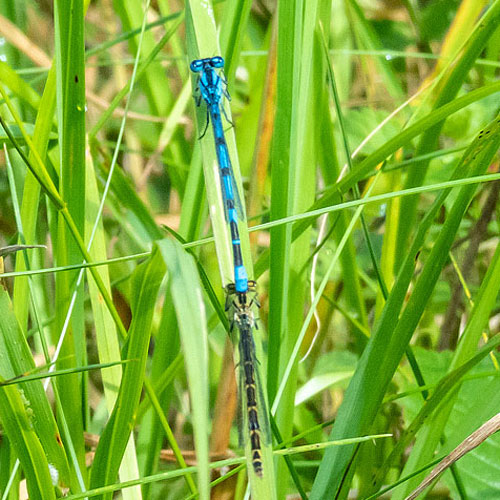
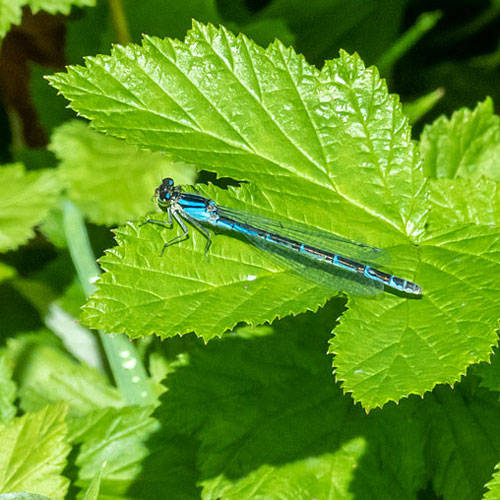
wee newbie for us. At the start of the boardwalk I found some Common
Blue Damselflies flying
over the grasses at the
water’s edge. The was a pair of the damselflies mating, the
male firmly attached to
the female.
| Yellow
Water Lily |
Hoverfly
- Leucozona Laternaria |
 |
 |
| Male
Common Blue Damselfly |
Female
Common Blue Damselfly |
 |
 |
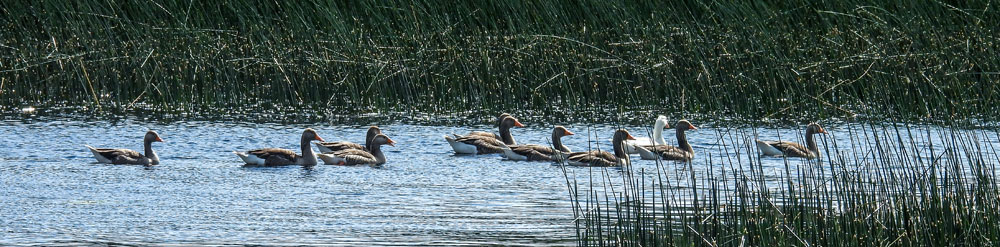
A small group of Greylag Geese, one of which
was a white morph, was patrolling the waters, probably resting there during moulting - my
final picture of the visit, and of the week.
It was a interesting
week with 43 species photographed. My favourites were the Emperor Moth caterpillar and Tufted Duckling and the
newbie hoverfly. I also enjoyed the many flowers I saw,
especially the Everlasting Pea.
Week ending:
13th July: Strathclyde
Country Park, RSPB
Baron’s Haugh and
Hogganfield Park LNR.
With
yet another warm, sunny week predicted I stuck to my favourite local
haunts for my wanderings with my Coolpix P950 camera,
starting in Strathclyde Country Park on Wednesday.
Wednesday 9th July:
Strathclyde Country Park
The sunshine was so warm
I stuck to paths where there were plenty of shady trees, such as those behind M&D’s fairground,
where I came across a commotion involving several birds. When things settled a bit, I got pictures of two of
them - a Mistle
Thrush and a Jay .
In the same area there
were Broad-leaved
Helleborines: tall orchids of woodlands, which have greenish, purple-tinged flowers. I also saw a fair
few Common Spotted Orchids flowering throughout the grassy areas of the woods. I was joined by
a couple of butterflies: a Red Admiral and a Speckled Wood when they rested between their long
meandering flights through the open areas of the woods.
| Mistle
Thrush |
Eurasian
Jay |
 |
 |
| Broad - leaved
Helleborine |
Common
Spotted Orchid |
 |
 |
| Red
Admiral Butterfly |
Speckled
Wood Butterfly |
 |
 |
At
a resting point near the road bridge at the South Calder I sat admiring
the extensive array of
wildflowers that were growing there. These were a continuation of North
Lanarkshire Council’s
“Mega-flora” project. They were mainly Oxeye
Daisies, but I particularly liked the Knapweed, Marjoram and
Vipers Bugloss that were interspersed among the daisies. Just as I
finished my walk, I
snapped a White-tailed Bumblebee as it buzzed along the path by the
South Calder and landed
on a Large Bindweed flower.
Friday
11th July am: RSPB Baron’s Haugh
The good weather
continued on Friday morning. At Barons Haugh I found Pencilled
Cranesbills flowering
around the edge of the car park. One flower was being visited by a
Sunfly hoverfly, and at
the ranger’s cabin there are a couple of planters filled with
wild flowers such as Field Scabious, Musk Mallow and Common
Agrimony. On my way down to the hides, very pretty Meadow Cranesbills were flowering in the
uncut meadowland. Fox and Cubs wildfowers were blooming next to the path, and a Long
Hoverfly paused on one of the orange flowers long
enough for me to get a
quick snap.
Further along the path I heard a Whitethroat,
and easily located it as it called from the top of bushes in the adjacent field.
At the Causeway Hide,
the sunlight was very bright and shining directly onto the hide, which unfortunately silhouetted any birds that
were on the Haugh. However after accustoming my eyes to the conditions I began to pick out some
of the Sandpipers that had been reported. A couple of
Common
Sandpipers were wading about 60m from the hide, and a bit
further away there was
a single Wood
Sandpiper dipping it's bill in the shallow water as it moved
left to right. A half
hour after that, at least 3 Green
Sandpipers flew in from the south and started
feeding as they waded
in the shallow parts of the Haugh. Other waders I saw were a Curlew
that was standing in
reeds on the far edges of the Haugh, and Lapwings, which could be seen
in double figures all
around the waters. On the eponymous Causeway I photographed a
wildflower we usually
avoid - Common (or Stinging) Nettle. The yellow-green strands that
emerge from the base of
each leaf contain the nettle’s tiny flowers.
| Common
Sandpiper |
Wood
Sandpiper |
 |
 |
| Green
Sandpiper |
Curlew |
 |
 |
| Lapwing |
Common
Nettle |
 |
 |
On my way back to the car I passed an area
where the wonderfully-named Enchanter’s Nightshade was growing. Its thin spikes of
delicate white flowers are very pretty. Next I found an exotically-named fungus growing around the
base of a rotting tree stump: Dryads
Saddle .
A Grey Squirrel was reluctant to move from the car park waste bin when
I approached, and only
scampered when I turned to photograph it. When I had another look at
the planters I examined
when I first set off, I noticed that I’d missed a rather
pretty wild flower that was rather
hidden: Greater Knapweed. A Buff-tailed Bumblebee turned up just as I
pointed the camera at the
flower.
Friday
11th July pm: Hogganfield Park LNR
After lunch on Friday,
it was such a nice afternoon I decided to visit Hogganfield Park for a
walk and a few more
pictures. Below is the view that greeted me when I started my walk
around the Loch.
The predominant gull
species at the Loch is the Lesser Black-backed Gull. Immature gulls have different plumages from mature birds. The
first year plumage is a rather unappealing brown and white, but when they mature after 4 years,
their plumage is much more refined, as can be seen in
the pictures below.
Perched not far from the gulls was a feral pigeon, no doubt waiting on somebody throwing bread. The same could be
said for the Greylag Goose that was looking longingly at me. However, it was
disappointed when I walked away.
| 1st
Cycle Lesser Black - backed Gull |
Lesser
Black - backed Gull |
 |
 |
| Feral
Pigeon |
Greylag
Goose |
 |
 |
Not all birds were after
bread. An adult and juvenile Cormorant were perched and preening well away from the edge of the water. These
pescatarians work hard throughout the day, diving for fish in all areas of the Loch. I
didn’t see any evidence that the chick actually caught any
fish though.
The lochside was lined
with wild flowers, such as Great Willowherbs. The sound of a calling
Great Crested Grebe
chick drew my attention away from the flowers. The chick was diving for
fish under the
supervision of one of its parents, that was probably relieved that the
ever-demanding chick
had started to feed itself. Tufted Ducks were also diving in that area
but they didn’t seem to
interfere with the Grebes…..
| Great
Willowherb |
Juvenile
Great Crested Grebe |
 |
 |
| Great
Crested Grebe |
Female
Tufted Duck |
 |
 |
…. but a line
of Greylag Geese came cruising in, disrupting the diving activities.
I walked around the park road until I
reached the small pond where I have stopped many times over the years hoping to see a Dragonfly,
only to be disappointed. On this visit I thought I would at least photograph some plants there and
started with a nice example of Meadow Vetchlings. While
doing so, I noticed a
couple of Damselflies - a Blue-tailed Damselfly and then an Azure
Damselfly. After that,
my wishes were fulfilled when a 4-Spotted
Chaser Dragonfly flew in and perched very conveniently on a small branch several
metres in front of of me. My patience and persistence certainly paid off. By the time
I’d completed my brief circuit of the Loch, I’d
bagged a couple more
flower shots - a Common Spotted Orchid and an unexpected subject, a
large multi-flower patch
of Sunflowers.
| Meadow
Vetchling |
Blue - tailed
Damselfly |
 |
 |
| Azure
Damselfly |
Dragonfly - 4 Spotted
Chaser |
 |
 |
| Common
Spotted Orchid |
Sunflower |
 |
 |
These probably grew from a birdseeds mix
missed by their intended recipients.
It was a successful
couple of days of observations - with 49 species photographed (not all
listed or shown here).
My favourites were the Jay, Dragonfly and Sandpipers. Rain is predicted
for next wwk - let's hope it is warm rain.
Week ending: 6th
July: RSPB
Bempton Cliffs
While on a short holiday in the City of York, and since the weather was
set fair, I decided to go on a day trip to RSPB
Bempton Cliffs . It was an ideal time to see the
birds that were nesting on the fabulous cliffs on the spectacular
Yorkshire Coast.
After parking in the overflow car park (the reserve was busy) I headed
for the various viewpoints on the Jubilee
Corner Trail . The picture below shows the start of
the trail, with Jubilee corner visible on the mid-left.
The wildflowers on the trail that leads to the clifftops were teeming
with insects, such as Narrowbordered 5-spot
Burnet Moths on Creeping Thistles and Green-veined White
Butterflies on Yarrow. White Musk
Mallow flowers were blooming at Mossy Downgate, the first
viewpoint.
The picture below shows Bartlett Nab (a ‘nab’ is a
rocky promontory).
| 5 Spot
Burnet Moth |
Green - veined
White Butterfly |
 |
 |
| Musk
Mallow |
Barlett
Nab |
 |
 |
Looking over the cliffs, down to the sea below, the birds there, Common
Guillemots ,seemed tiny…..
….. it was a good job then that they frequenty flew up onto
their nests on very narrow ledges near the top of the cliff, otherwise
my pictures wouldn’t have been quite as interesting. It was a
similar story with the birds whose calls were heard constantly
proclaiming their name: “kit-teh-wake, kitteh-wake,
kit-teh-wake,”. The Kittiwake
nests were occupied with fluffy grey chicks.
The record picture below shows a distant flock of about 20 Kittiwakes
in the water catching fish for their chicks.
Probably the most noticeable birds in the air and on the cliffs were
the Northern Gannets. They too were nesting on the cliffs and many
could be seen flying between their high perches on the cliffs and their
feeding areas on the North Sea. Similar to the Guillemots, there were
also Razorbills
nesting on the steep rocky crags. But the crowds’ favourite
birds to spot were definitely the Puffins.
They were hard to find due to their small size, but once you get your
eye in, one could see that there were a fair number of them commuting
between their nests and the sea. I was lucky when one landed near a
flock of Rock Doves on the cliff top to the left of the platform.
As I made my way back to my car for lunch I passed a Meadow Pipit that
was active in the wild areas of long grasses. I also photographed a
Lesser Burdock that was hosting a 7-spot Ladybird as well as a Spittlebug .
A very tame Jackdaw was perched on a fence-post opposite a bench,
obviously realising that humans often leave behind edible rubbish.
Nearby there were patches of Sea Mayweed that was attracting hoverflies
such as Syrphus ribesii.
On Yarrow, I spotted Red Soldier Beetles on Creeping Thistles and a Red
Admiral butterfly fluttered onto some Stinging Nettles. As I neared the
car I heard a Dunnock calling from the top of a tall hedgerow at the
bottom of which was a clump of Red Campion with smaller than usual
flowers.
The edges of the overflow car park were little more than a mown field,
but its outer edges were left to grow wild - presumably to encourage
flowers and insects - with some success, since I snapped a Meadow Brown
butterfly on Buttercup foliage, a Large White butterfly on Creeping
Thistle and a pair of Marmalade hoverfies on Great Willowherb. As I was
drinking tea, a male Linnet started singing from the hedge, so I
reached for my camera and managed a quick record shot.
After lunch I set off for the Staple Neuk trail, which, I was informed,
was dominated by Gannets.
I can confirm that and I amassed quite a few pictures to prove it
(although I’ve published just a few here, including some that
illustrate the different plumages of the various ages of young
Gannets.
As I was watching the Gannets, a bonny wee Goldfinch appeared just a
few metres in front of me and began nibbling leaves of Sea Plantain.
After that I noticed a bird I’d been watching for - a Fulmar .
One came gliding past, parallel to the cliff face before circling round
and back and onto its perch on the cliff, where it had young waiting
for food.
Below is the view of Staple Newk as seen from the viewpoint.
There were
Rock Doves
not far from the Fulmar nest and on the rocks a few metres lower down I
noticed a Herring Gull with a couple of chicks. I was just about to
return to the Visitor Centre when I noticed a Puffin flying in and
landing quite far away on the cliff, joining another couple of Puffins.
I retraced my steps back up the hill to the Visitor Centre, getting
pictures of another Green-veined White butterfly and, at the Centre, a
shot of a male Blackbird surveying its territory.
It was a thoroughly enjoyable visit which had produced lots of photos -
of 27 species . My favourites are hard to choose - probably the
Gannets, Puffins and Fulmar. I may travel far from home again in the
near future and hopefully I will accumulate another fine haul of
sightings.
Back To Top
|