|
Week ending: 22nd February 2026: Stevenston, Saltcoats and Irvine Harbour
Cold, wet, dull weather was predicted for Central Scotland for most of this week - with the
exception of Tuesday when blue skies and bright sunshine would predominate.
Tuesday, 17th February: Stevenston
It was with great delight that I found myself on Stevenston Point on Tuesday afternoon, delighted
to confirm the meteorologist’s prediction.
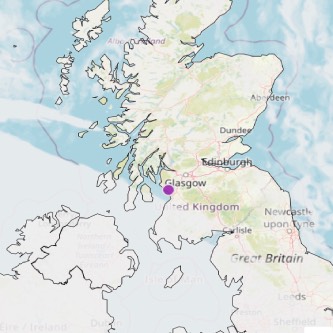
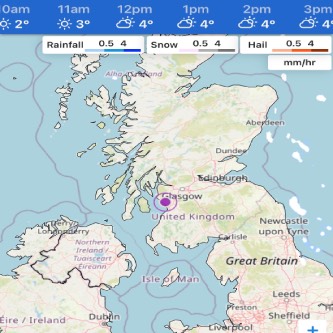
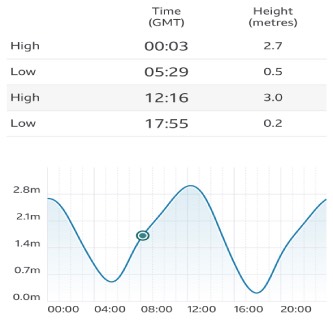
| Cloud |
Rain & Prediction |
Tides |
 |
 |
 |
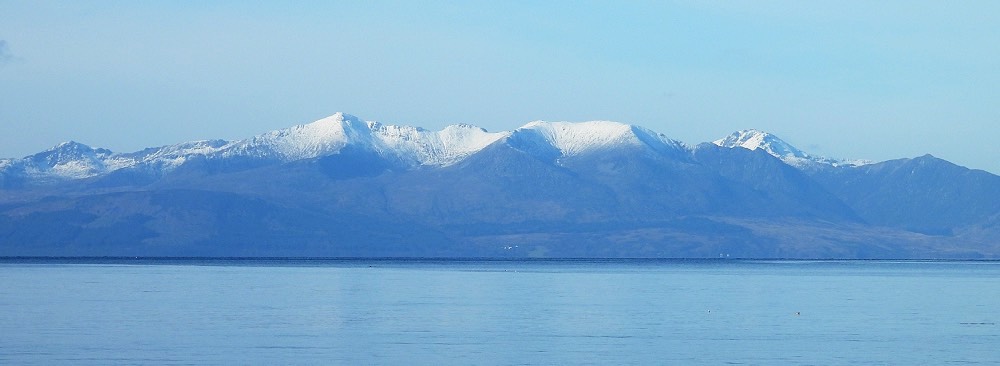
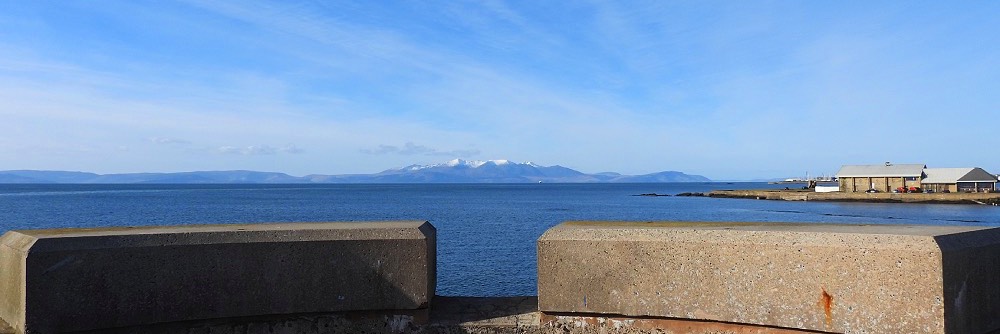
The view across the Clyde Estuary was magnificent:
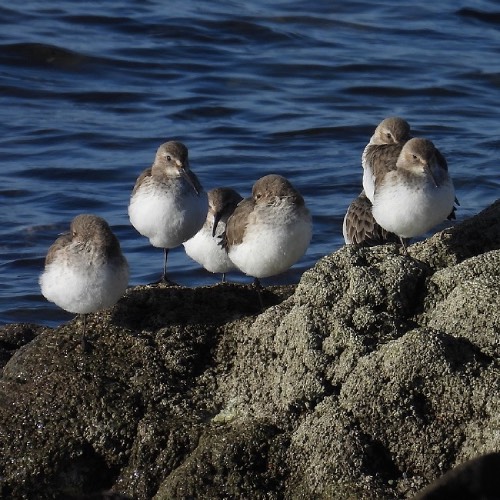
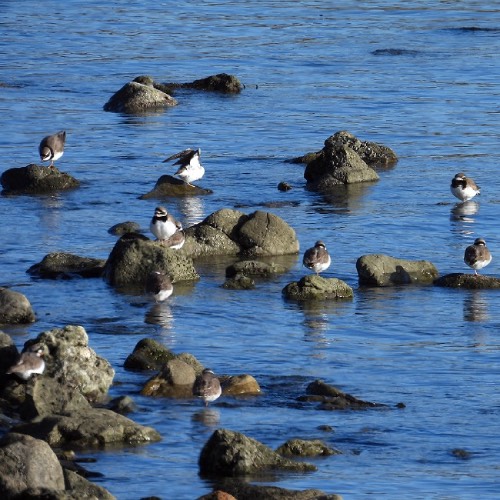
It was high tide and there were small waders, mainly Dunlin, gathered on the rocks around
the head of the channel between the Point and the breakwater to the immediate northwest.
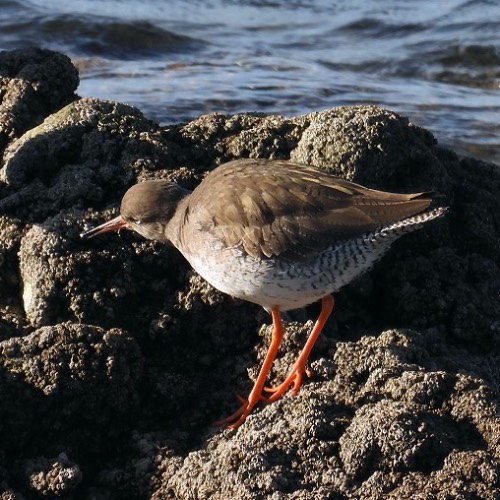
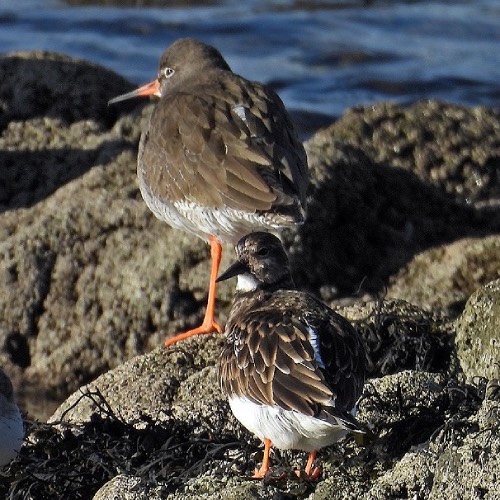
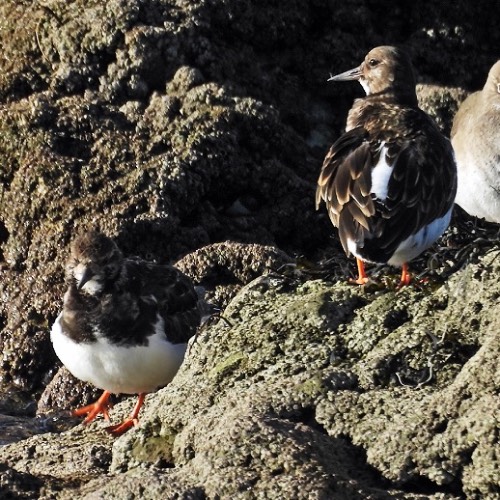
Most of the birds had beaks tucked under their wings waiting for the tide to fall. A few, though,
were keeping an eye out for possible threats. Some Redshanks and Turnstones were
foraging on the rocks.
| Dunlin |
Redshank |
 |
 |
| Redshank / Turnstone |
Turnstone |
 |
 |
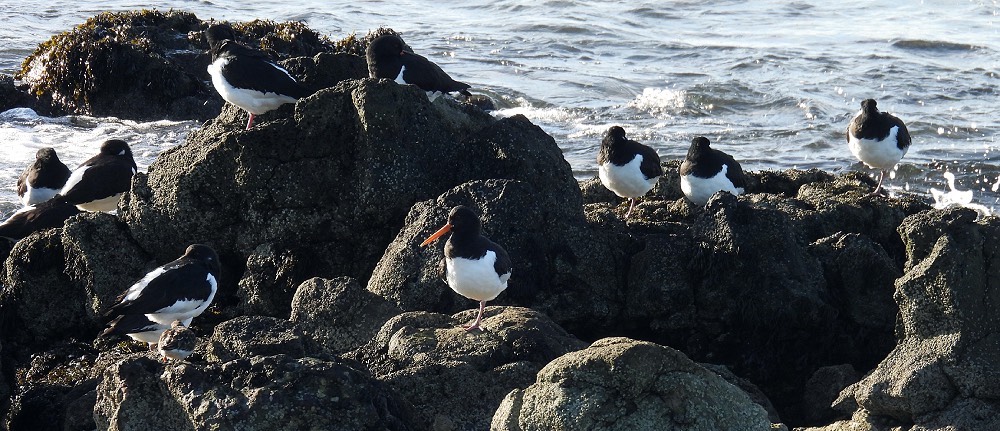
A small flock of Oystercatchers were gathered on the rocks at the tip of the Point. Like the Dunlins
they too were napping with only a few keeping watch.
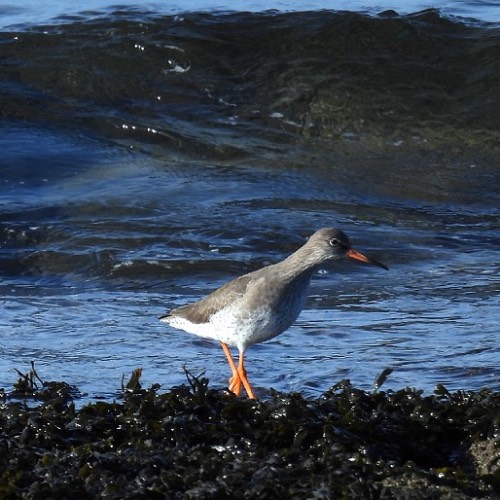
A solitary Redshank was dodging the odd breaking wave to search for food at the water’s edge.
There were a large group of Ringed Plovers on rocks on the southeast edge of the
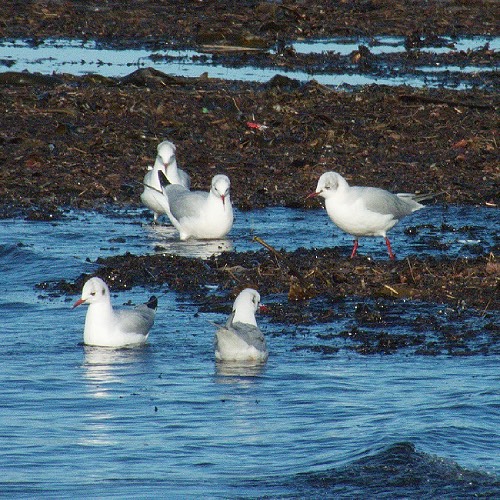
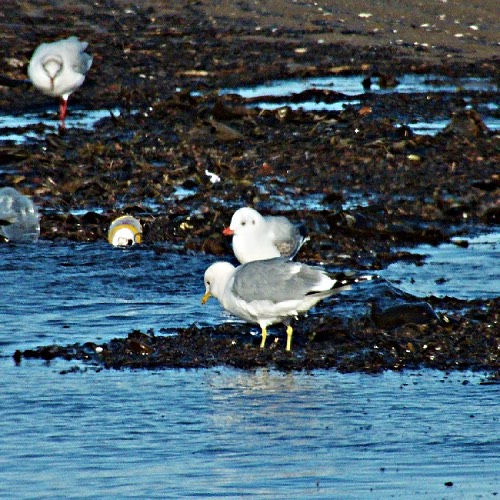
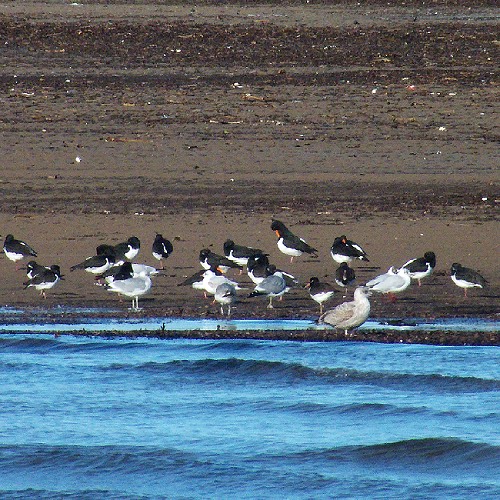
peninsula. As I returned to the car I photographed birds that were gathered at the seafront on the
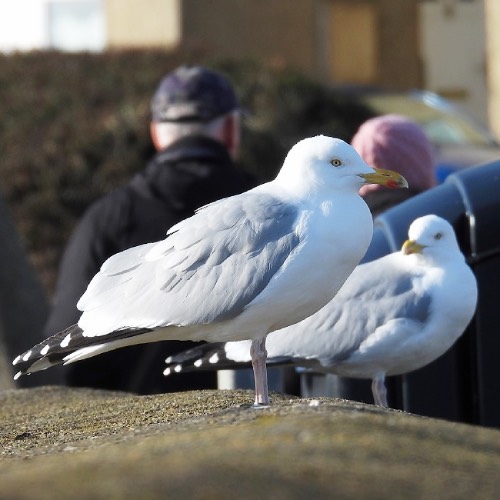
beach northwest of the Point: Black-headed Gulls, Herring Gulls, a Common Gull and
Oystercatchers.
| Redshank |
Ringed Plover... |
 |
 |
|
Black - headed Gull |
 |
 |
| Common Gull |
Oystercatcher |
 |
 |
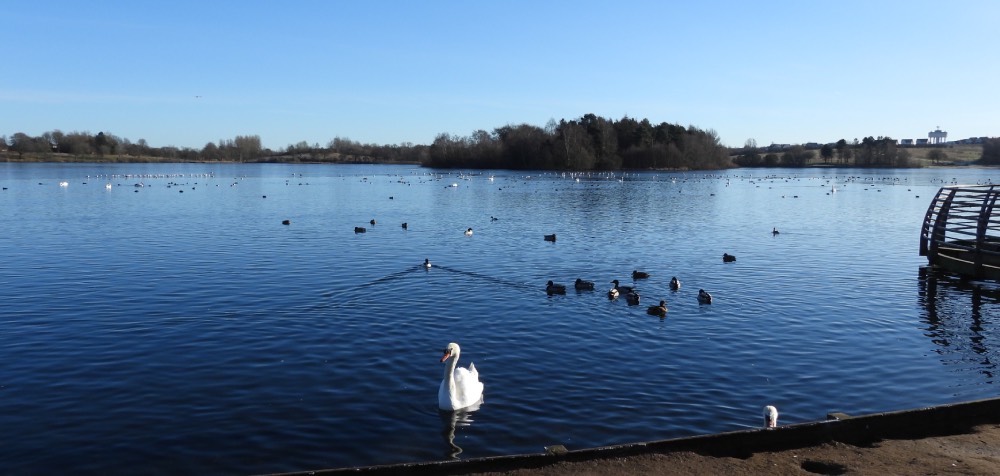
Next I drove the short distance to Auchenharvie Golf Course to check out the bird activity at
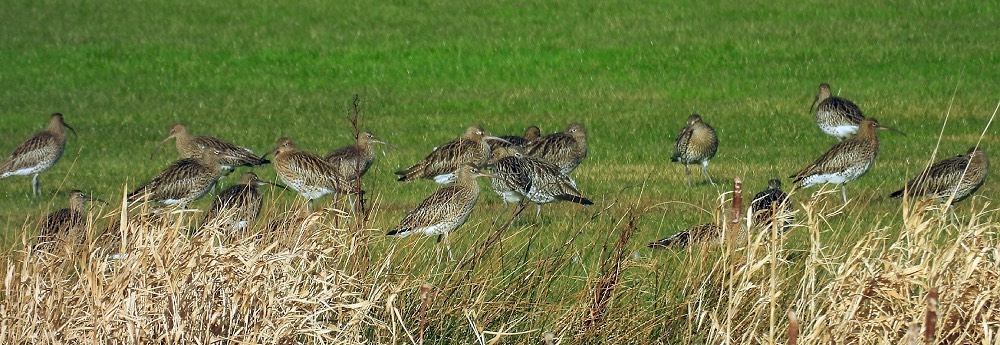
Auchenharvie Loch. As I approached the loch’s edge, a small flock of Curlews descended onto
the far side of the Loch.
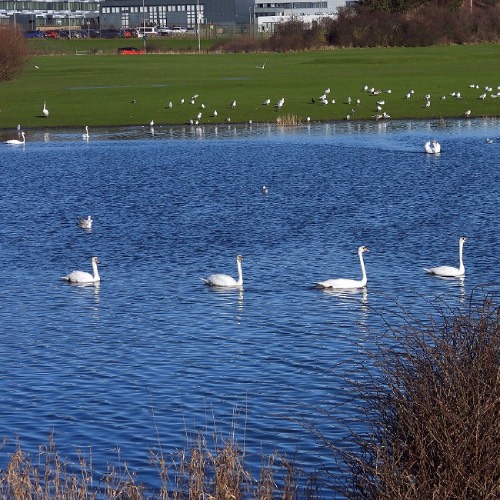
I was encouraged to see that there were many birds on and around the Loch.
Mute Swans were the most prominent birds or perhaps they were outnumbered by the Herring
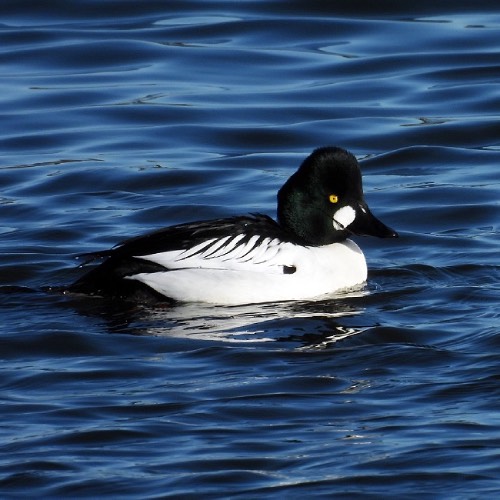
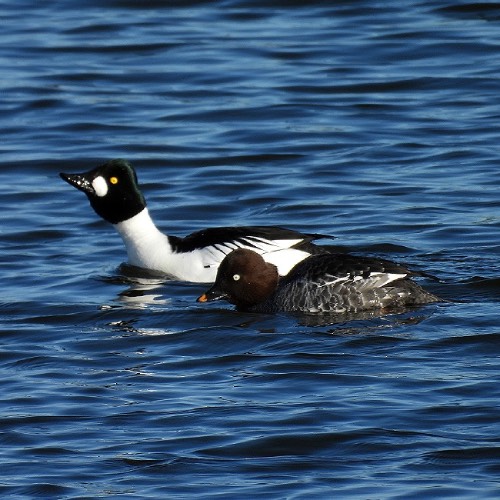
Gulls and Black-headed Gulls. Not as numerous, but nice to see, were a few courting
Goldeneyes.
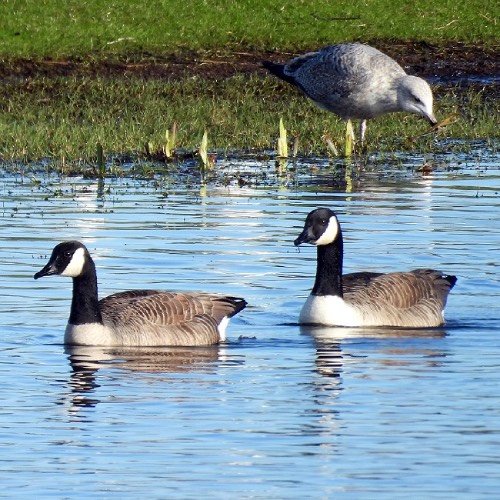
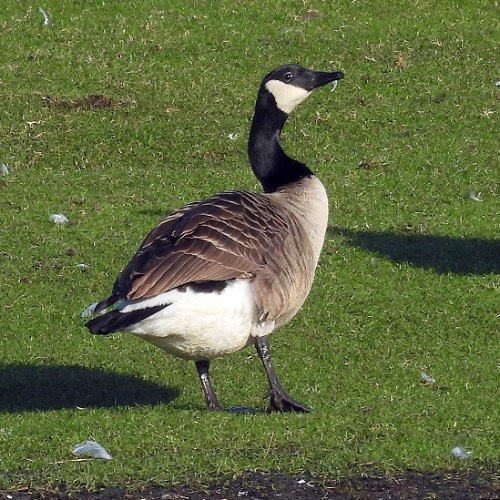
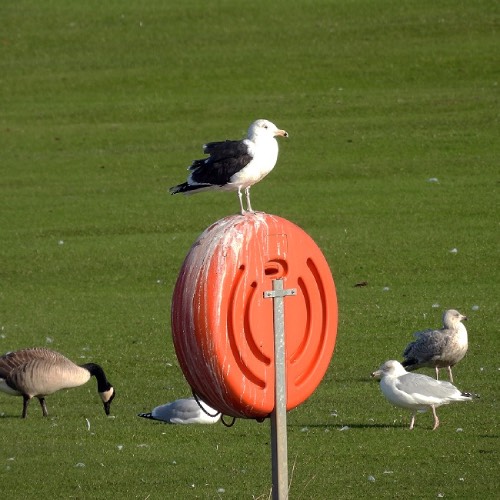
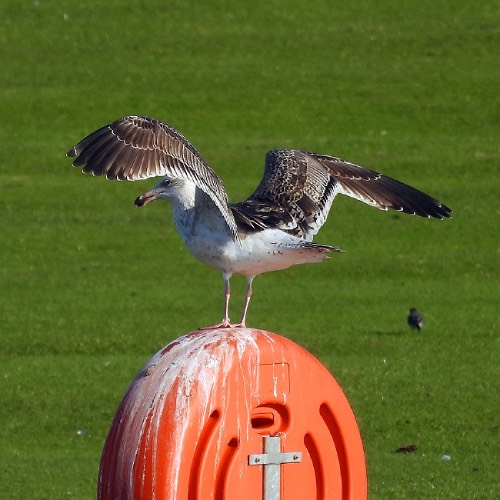
A few Canada Geese were scattered across the site, as well as Herring Gulls, such as the two
juveniles shown below. A couple of big Great Black-backed Gulls, a juvenile and adult, took
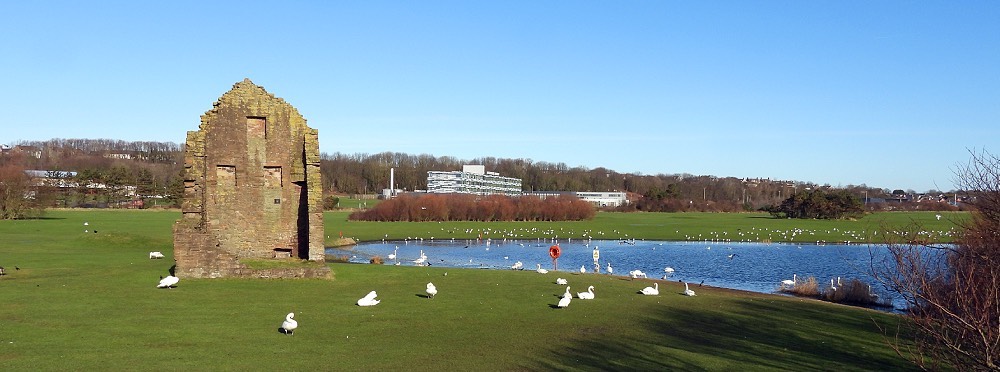
turns to perch on a big red life buoy. I also discovered a Stock Dove wandering near the
ruin of the Auchenharvie Colliery Engine House, before flying off onto the golf fairway. Note its
characteristic iridescent neck patch. A single Canada Goose was grazing next to the ruin.
| Canada Goose... |
|
 |
 |
| Great Black - backed Gull |
... 1st Cycle |
 |
 |
| Stock Dove |
1st Cycle Herring Gull |
 |
 |
Beside the ruin approximately 20 Mute Swans were grazing on the short grass.
Tuesday, 17th February: Saltcoats
It was a 5 minute drive to Saltcoats Harbour. My vantage point was the top of the tower at the end
of the harbour. The panorama was genuinely awesome.
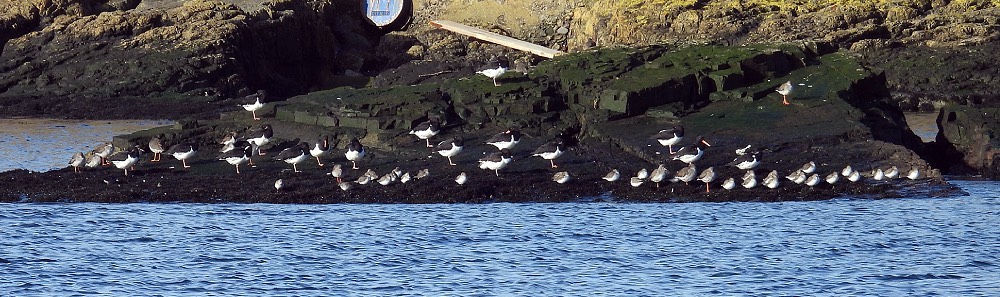
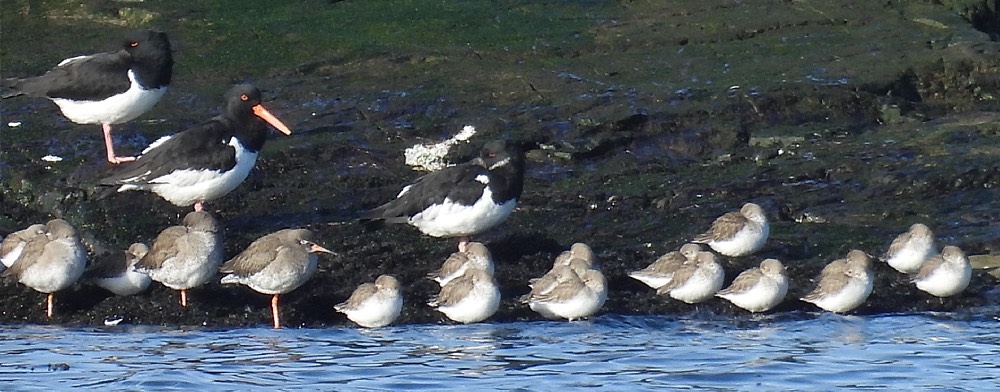
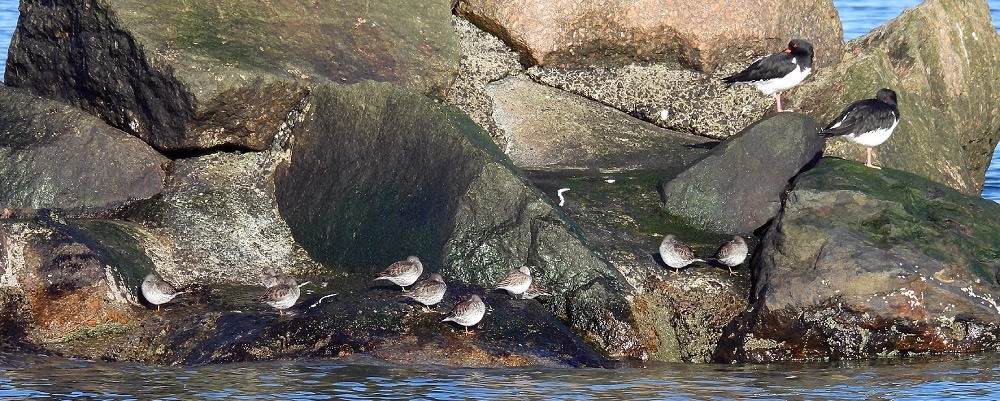
Across the harbour I could see a gathering of waders on and around a line rocks……
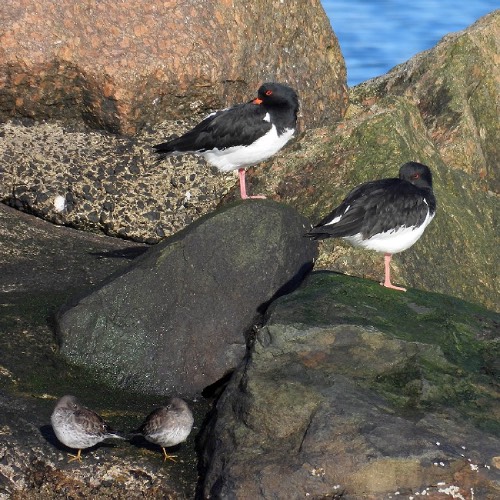
…..Dunlin, Redshanks and Oystercatchers (and possibly Purple Sandpipers).
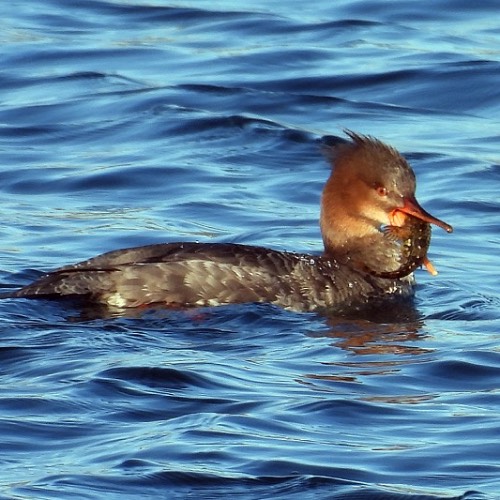
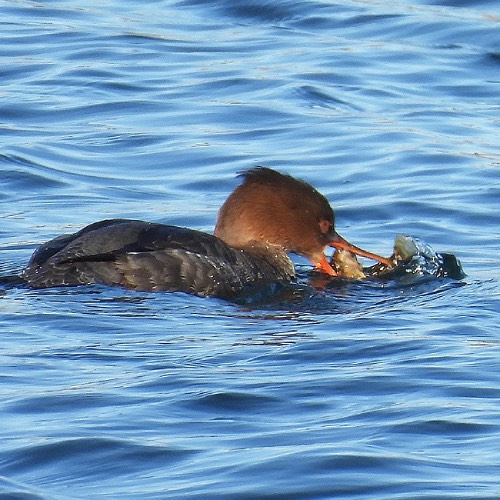
There were two birds diving on the harbour waters: a pair of Red-breasted Mergansers.
One of the mergansers caught a fish. It was unable to swallow it and the fish managed to escape.
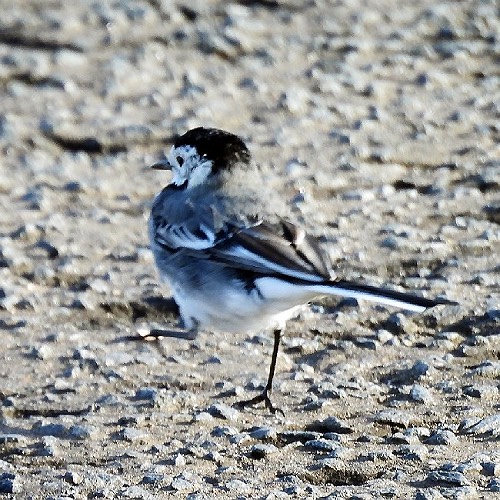
I was then temporarily distracted by a wee Pied Wagtail female that was walking along the
harbour.
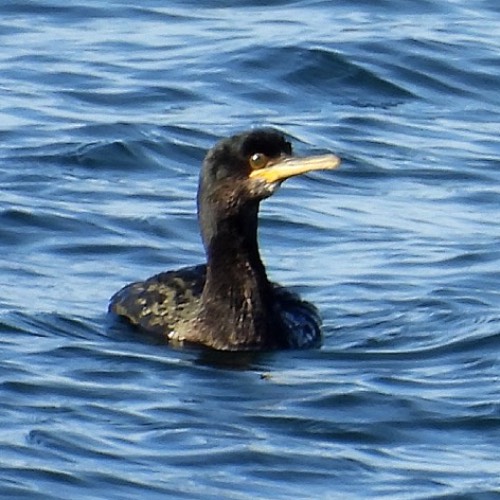
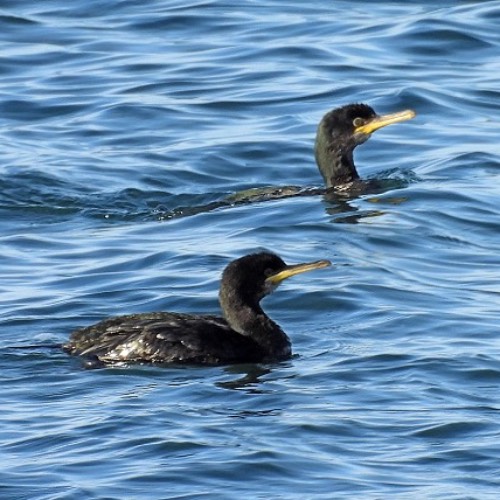
At the harbour mouth, a pair of Shags began diving but I didn’t see any evidence that they were
successful. I left the tower and began walking around the harbour to see if there were any more
waders at the far side of the rocks. On the the way, I passed a Starling and some Herring Gulls
that were waiting keenly for any opportunity to share the food that was being eaten by a few
people gathered there.
At the rocks there were no birds on the shadowed side of the rocks, so I moved further around the
sea wall to a second viewing tower overlooking a open-air paddling area. There is a rocky
outcrop in the middle of that area on which I could see 8 Purple Sandpipers and a couple of
Oystercatchers - all of which were snoozing.
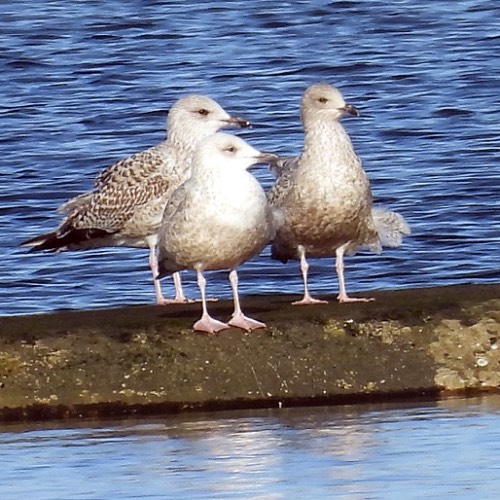
A few juvenile Herring Gulls were standing at the far side of the the pools, no doubt enjoying the
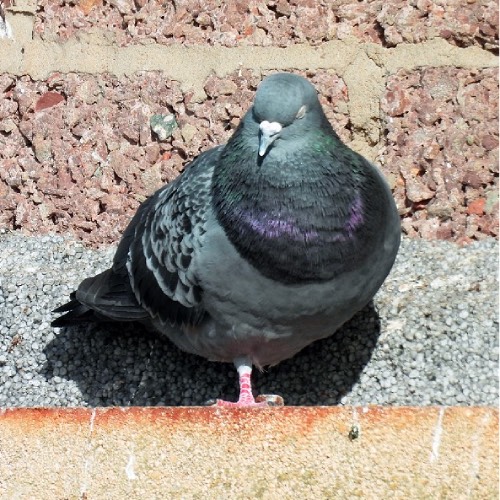
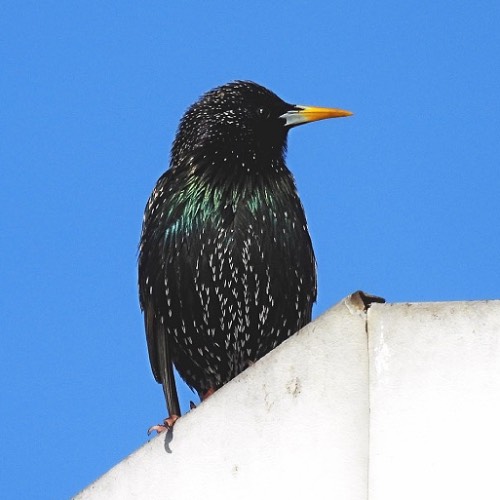
rare afternoon sunshine. Next I retraced my steps back along the sea wall, snapping a Feral
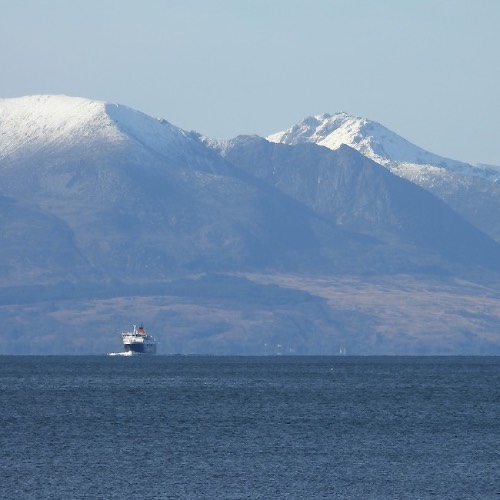
Pigeon and another Starling that were on the Cinema building. I noticed the Arran Ferry was mid
route as it crossed from Brodick to Ardrossan. The snow-covered hills make a stunning backdrop.
At the rocks I’d viewed earlier, I was pleased to see some birds had shifted onto viewable
positions: Ringed Plovers….
| Purple Sandpiper / Oystercatcher |
1st Cycle Herring Gull |
 |
 |
| Feral Pigeon |
Starling |
 |
 |
|
Ringed Plover |
 |
 |
….and more Purple Sandpipers and Dunlins.
Tuesday, 17th February: Irvine Harbour
I relocated to Irvine Harbour where my first visit was to the public toilets - only to find them
closed. So I had to cross the sand dunes where I noticed that there were birds on the large
boating pond. I therefore walked to the pond and snapped a group of Wigeon and Tufted
Ducks…..
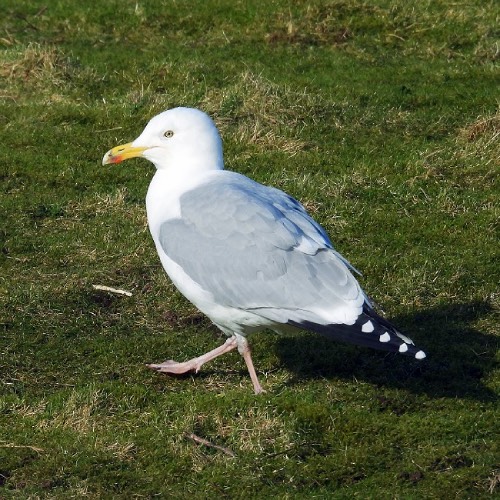
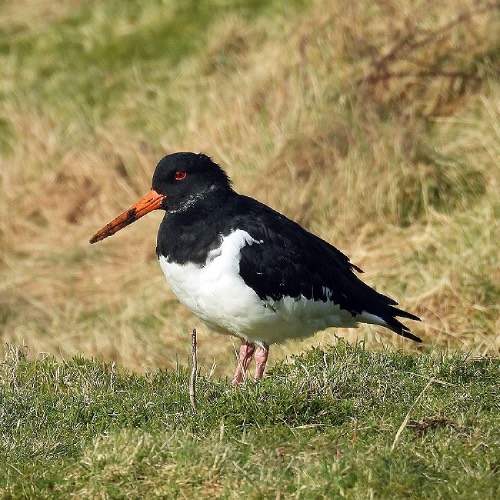
… and followed that with some close shots of a Herring Gull and an Oystercatcher that were on
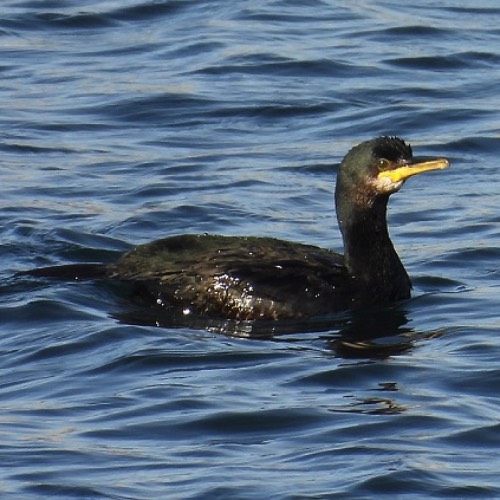
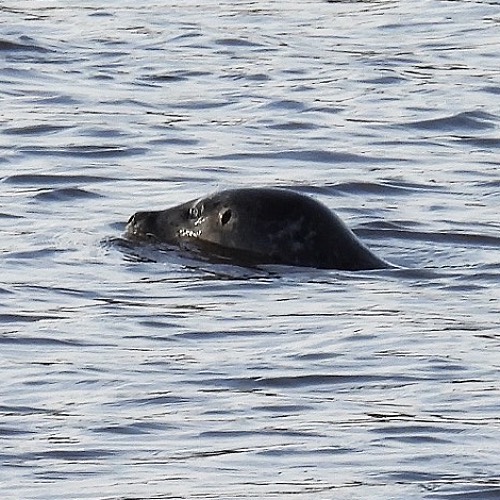
the sides of a grassy bund. From there I walked to the harbour promenade where I spotted a
distant Shag and a Grey Seal at the confluence of the River Irvine and River Garnock.
| Herring Gull |
Oystercatcher |
 |
 |
| Shag |
Grey Seal |
 |
 |
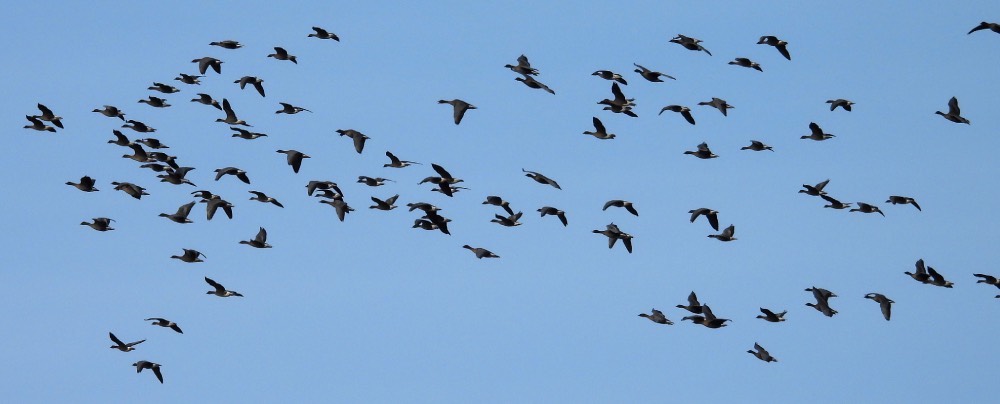
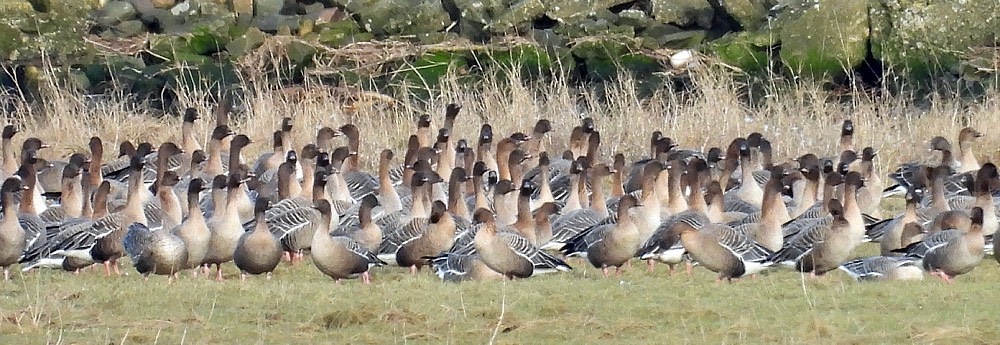
My final shots of the day were perhaps the most exciting, when a huge flock of approximately 400
noisy geese circled overhead.
They were mostly too far off and silhouetted for detailed shots, but occasionally they made fairly
close passes.
After about 10 minutes they landed on the Bogside Flats, about 400m from where I was standing.
My camera set on 83x zoom produced very decent pictures from which I was then able to identify
them as Pink-footed Geese - since they have pink feet and the correct plumage.
 |
My day out on the North Ayrshire coast was very enjoyable and very successful with 25 species
photographed. My favourites sightings were the Pink-footed Geese, Purple Sandpipers and Stock
Dove. Next week will be cloudy but mild with some rain. However, there should be bright
conditions at the end of the week. I’ll look forward to that.
Week ending: 15th February 2026: Hogganfield Park LNR
Once again I had to wait until late in the week for bright enough light conditions for photography.
Friday and Saturday, 13th & 14th February: Hogganfield Park LNR
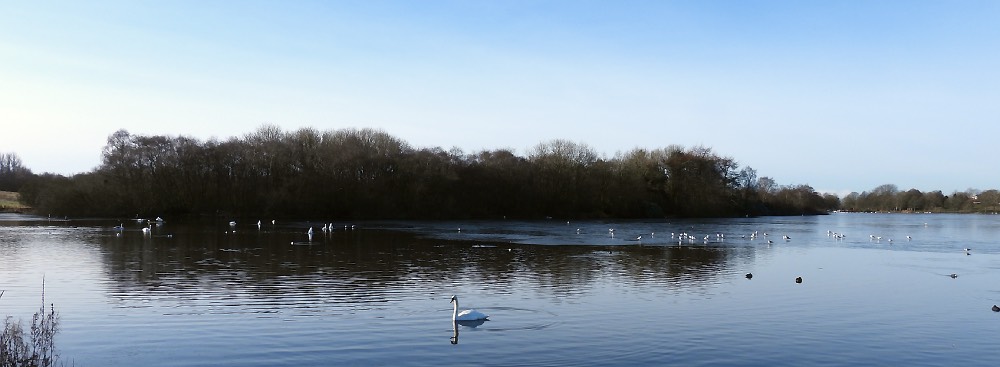
On Friday and Saturday I headed to Hogganfield Park. It was bright but cold - cold enough for ice
to form on the surface of the loch. On Friday I estimated that only about half of the loch was iced
over.
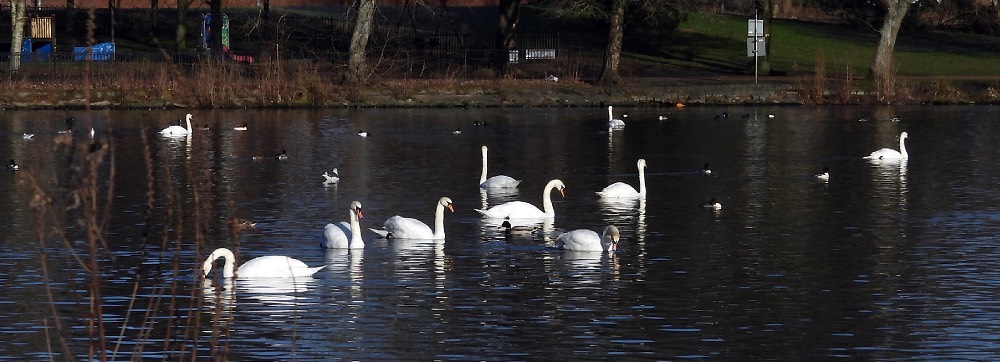
Mute Swans numbers seemed higher that usual since the ice restricted their movements.
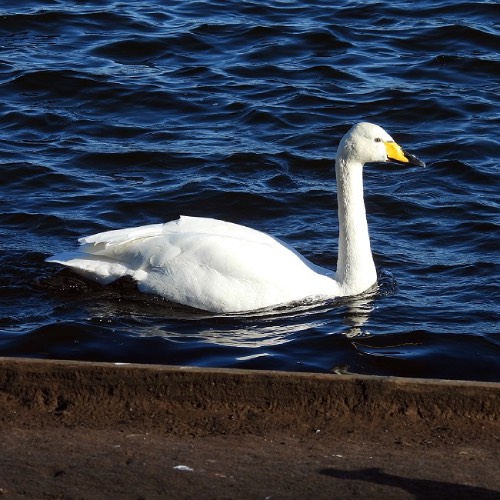
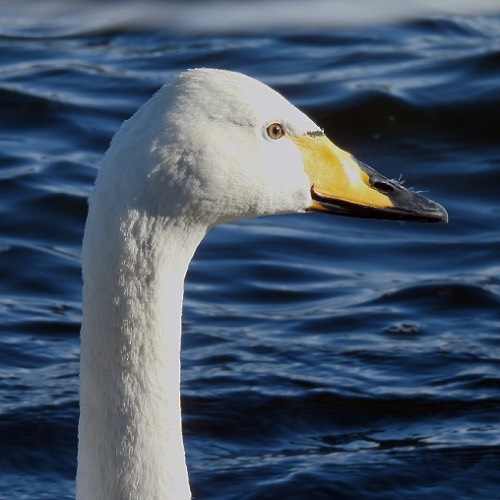
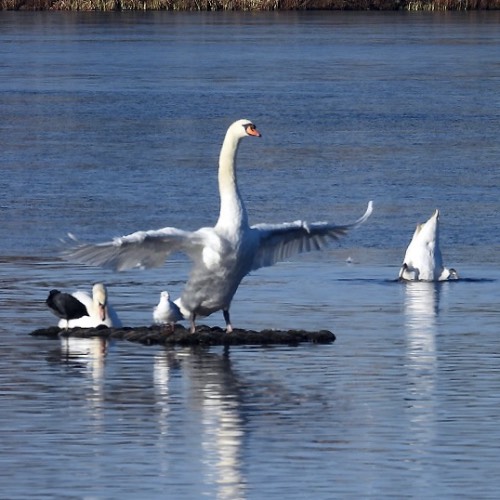
There were a few Whooper Swans among the Mute Swans that were battling for
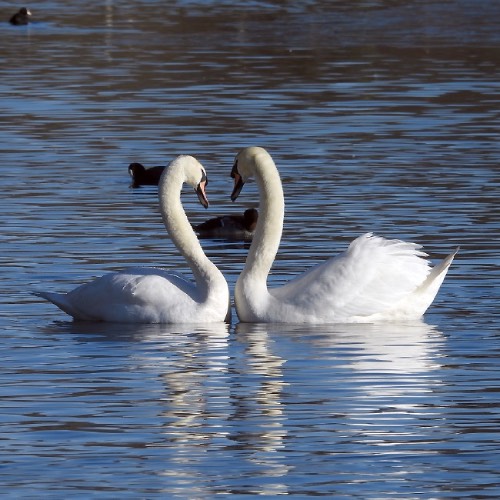
bread at the car park. I so nearly got the perfect “heart” shot for Valentine’s Day.
The luvvy-dovey swans paddled away toward the ice - marked by a line of Black-headed Gulls in
the shot below.
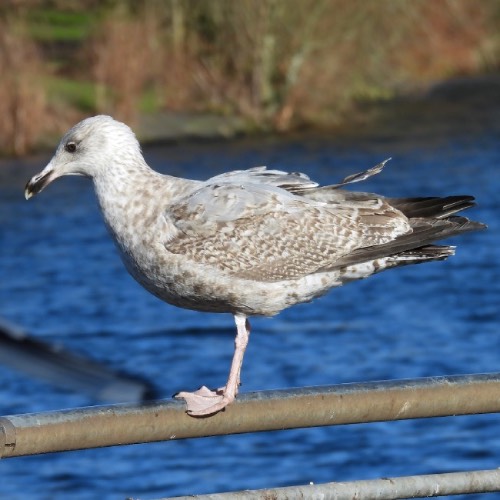
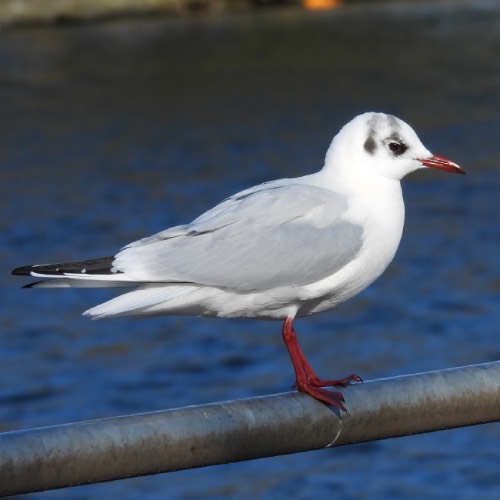
It was to be a brief visit, so I didn’t do my usual circuit of the loch. But as I left the car park, I
noticed a big juvenile Herring Gull perched on the railings of the defunct feeding platform with
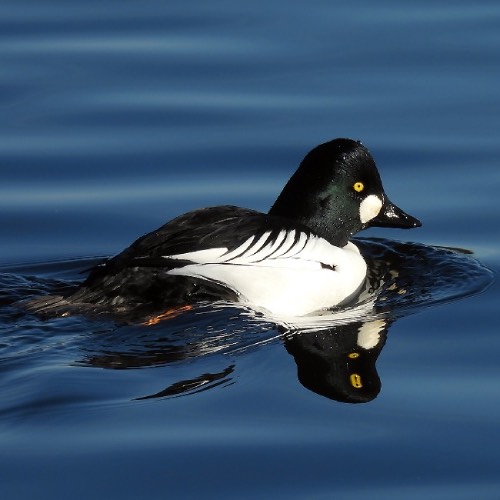
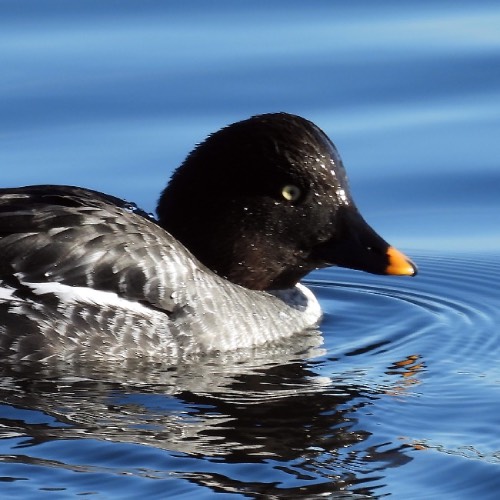
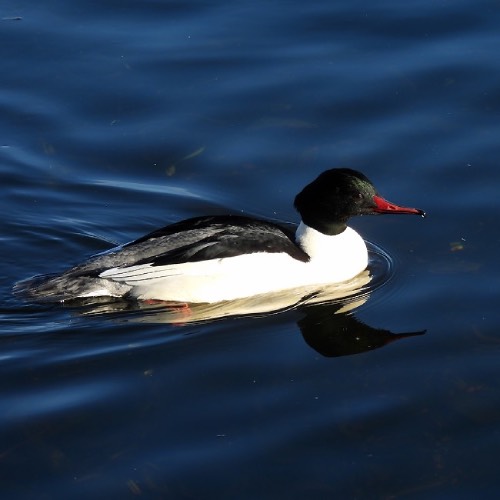
Black-headed Gulls. Goldeneyes and Goosanders were making repeated dives into the water
around the platform.
| 1st Cycle Herring Gull |
Black - headed Gull |
 |
 |
| Drake Goldeneye. |
Female Goldeneye |
 |
 |
| Drake Goosander |
Female Goosander |
 |
 |
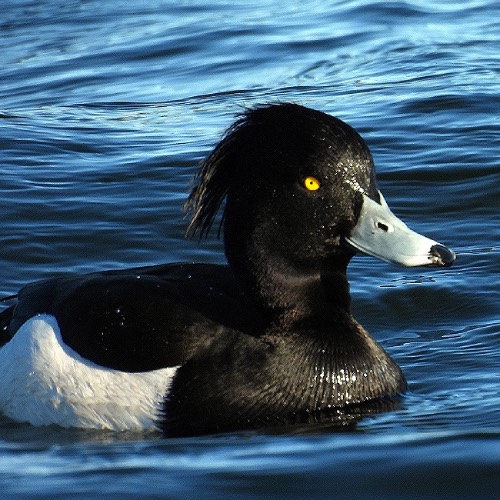
Halfway along the west side of the loch I stopped to snap another diving duck - Tufted Ducks. I
also snapped Mallards (which are dabbling ducks, not diving ducks, and turned onto the south
side of the loch to photograph a Magpie and Robin.
| Drake Tufted Duck |
Female Tufted Duck |
 |
 |
| Female Mallard |
Drake Mallard |
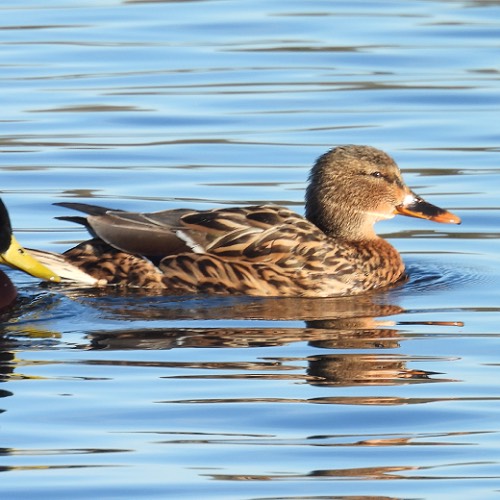 |
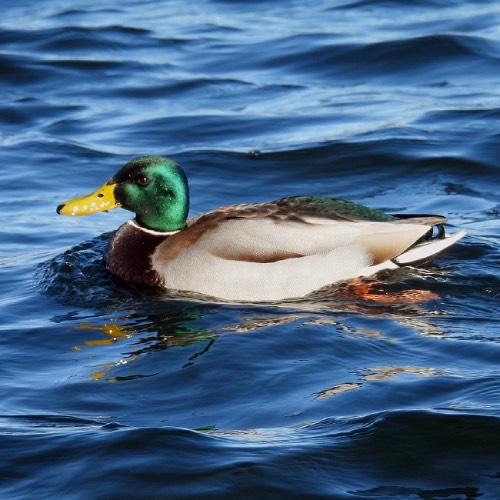 |
| Magpie |
Robin |
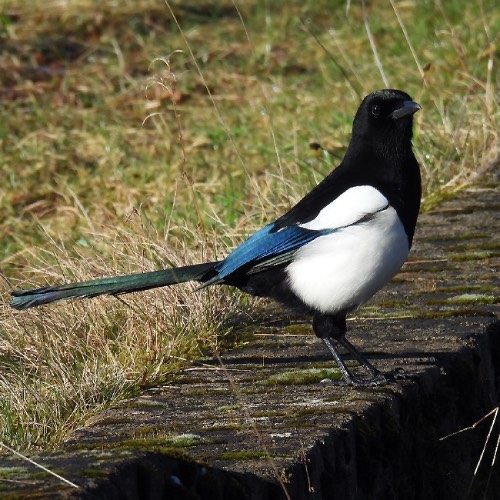 |
 |
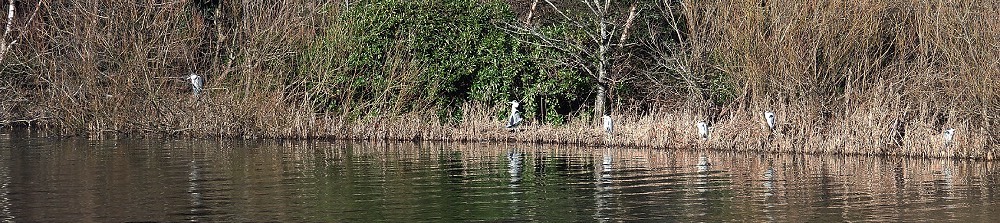
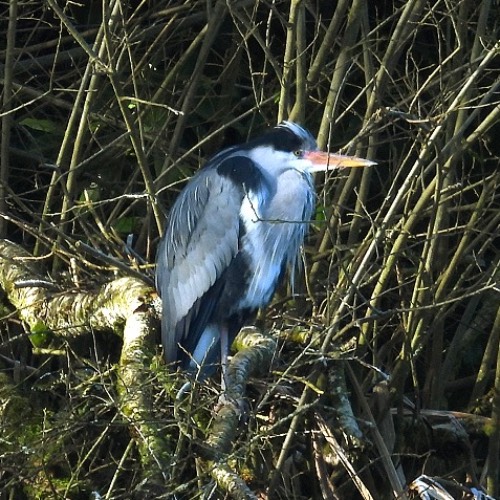
On my last visit to Hogganfield I found six Grey Herons that were standing at the edge of
the island. On Friday they were there once again.
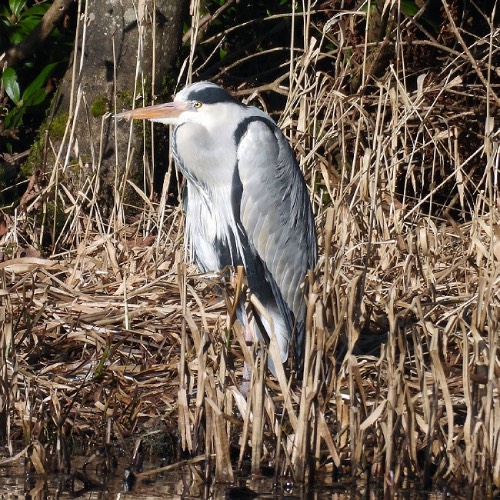
The shots below are close-ups of four of the herons. The light was wonderful.
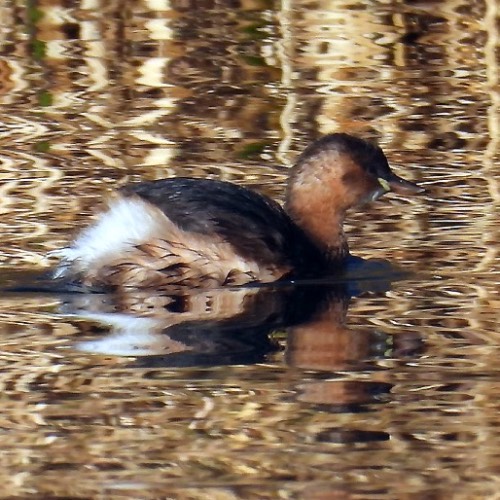
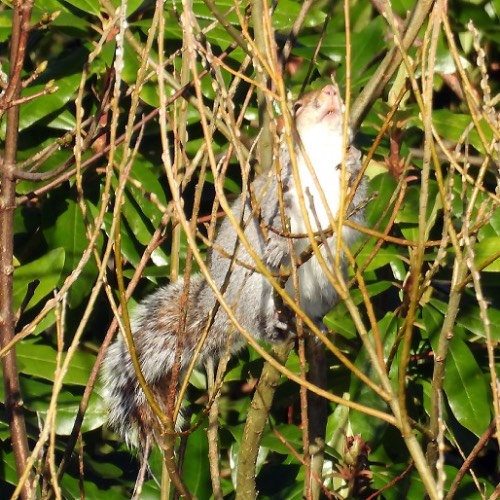
As I watched the herons, a Little Grebe paddle across the channel. Also, I was surprised to
see a Grey Squirrel climb up a leafless bush just to the right of the line of herons. At this
point I had to return home, but I intended finishing my usual circuit on Saturday.
I did return to the Park on the following day and set off to cover the remaining half of the loch.
Thankfully the light was perfect for photography and I got a great start at the car park with shots
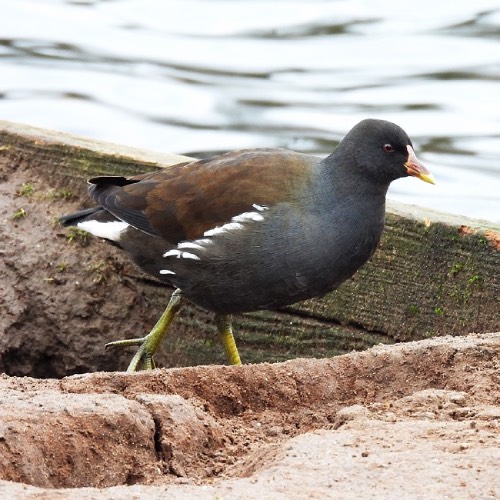
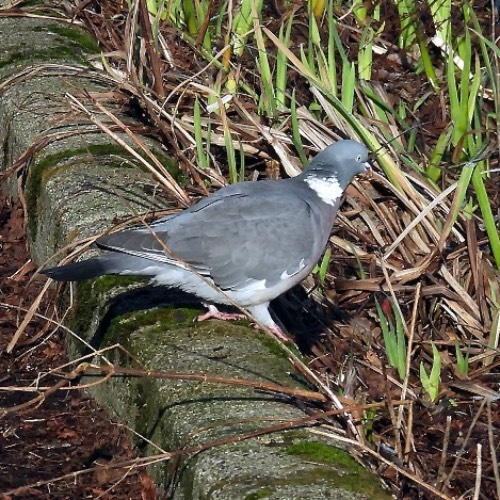
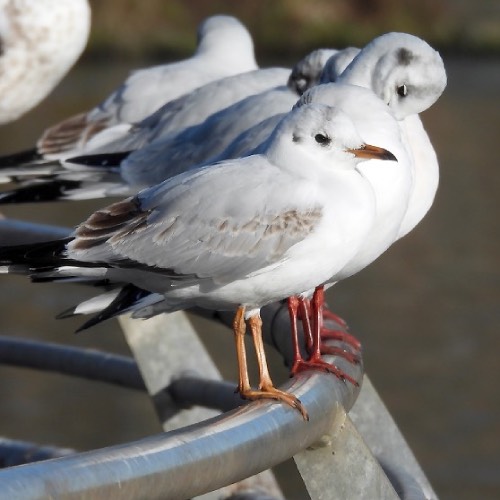
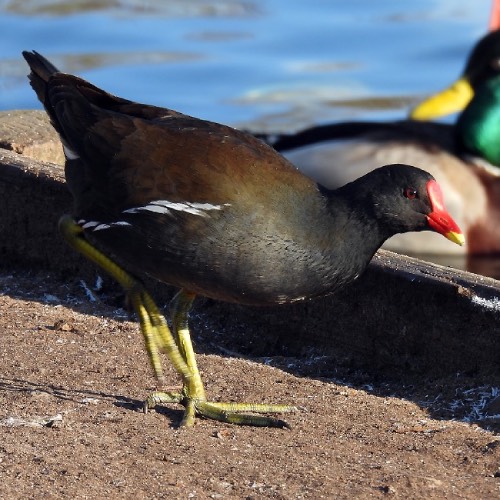
of a Little Grebe, Woodpigeon and a juvenile Black-headed Gull. Also a Moorhen caught my
attention as it walked along the well-worn banking (which is to be developed in the near future to
incorporate paving and seating).
| Little Grebe |
Wood Pigeon |
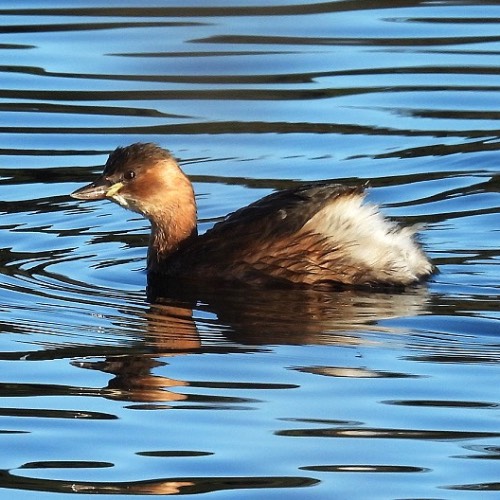 |
 |
| 1st Cycle Black - headed Gull |
Moorhen |
 |
 |
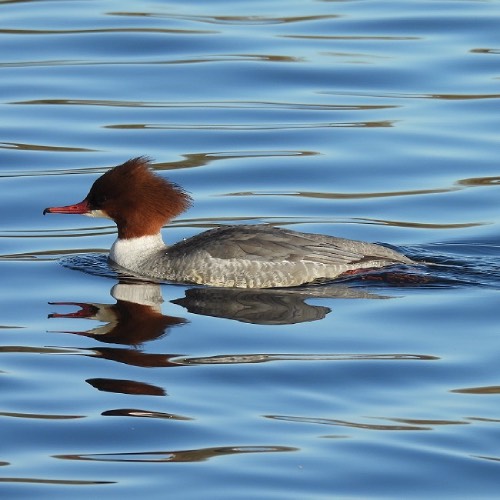
I set off along the north side of the loch (the opposite direction from my normal circuit) and started
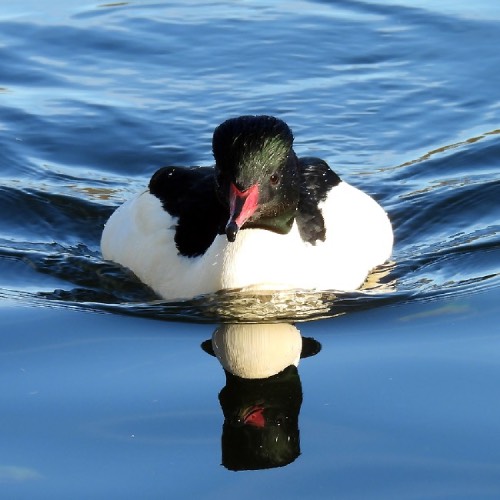
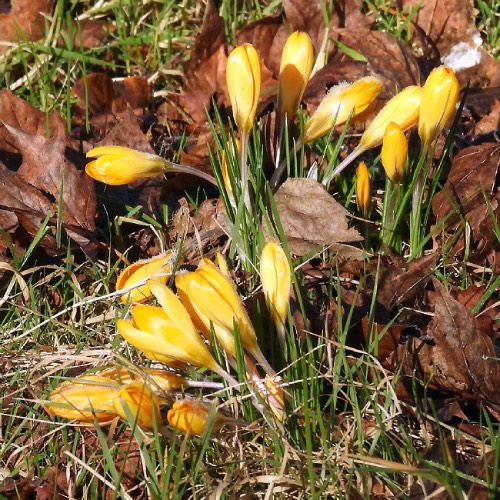
with pleasing shots of a Goosander pair. I noticed some Crocuses in bloom in the rough
grass at the edge of the park - Spring is in the air (starts officially on March 1st). A couple of
Canada Geese were wandering on the ice, which had thickened and become a bit more
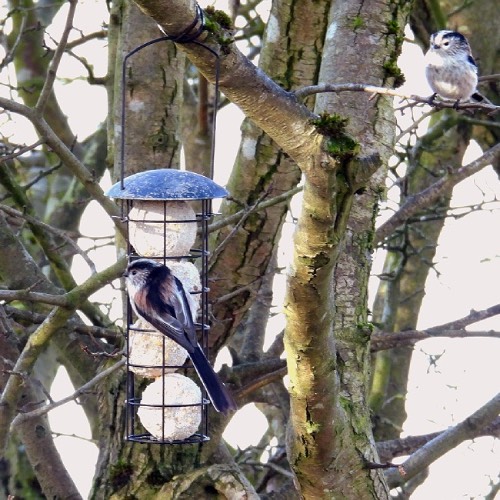
widespread than on the previous day. My attention was drawn to a Dunnock in the shaded trees
at the middle of the east end of the loch. Near there I also found some Long-tailed Tits on a fat
ball feeder.
| Drake Goosander |
Female Goosander |
 |
 |
| Crocus |
Canada Goose |
 |
 |
| Dunnock |
Long - tailed Tit |
 |
 |
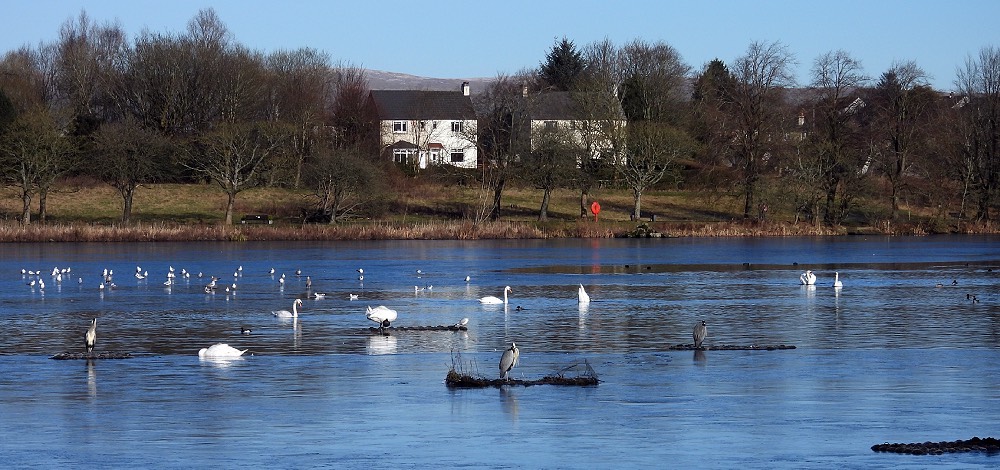
Next I surveyed the water to the east of the island…
…and found some Mute Swans and several Grey Herons, some of which were on artificial islands
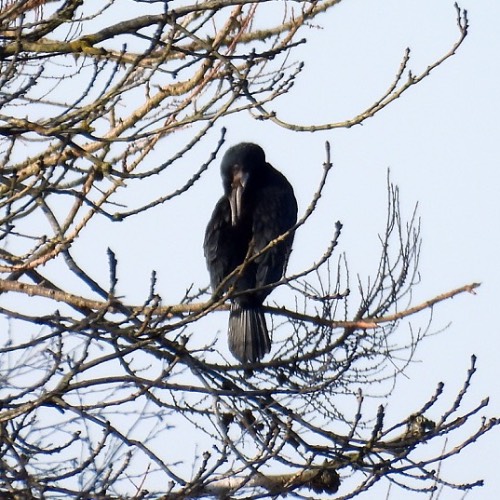
and three were in the trees on the island. I also noted a Cormorant perched high in a tree beside the
herons.
I walked to the south side and viewed the loch looking over the water I’d just photographed.
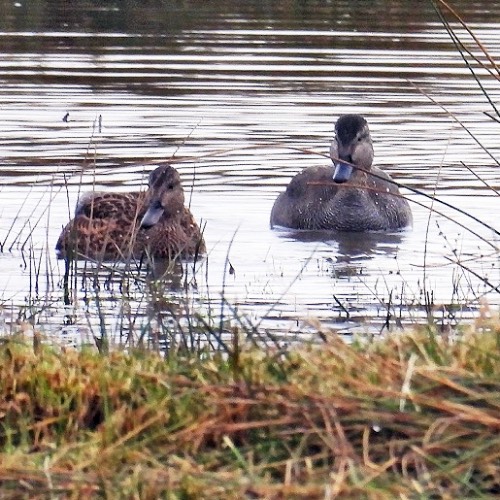
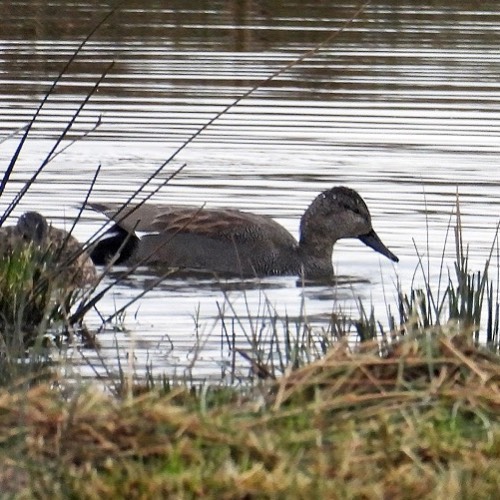
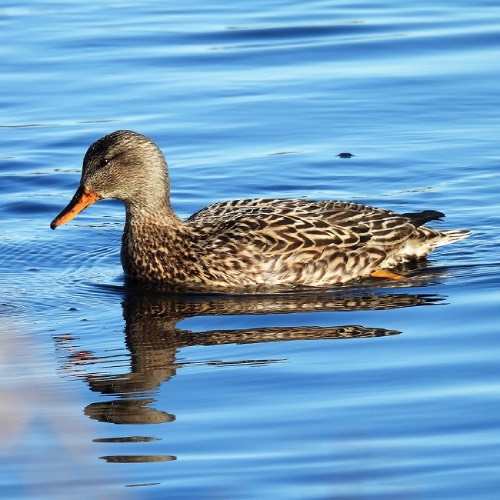
The Grey Heron closest to the bank was having a good stretch as a pair of Gadwall ducks
cruised past. My final shot was of a very aggressive Mute Swan chasing away a very frightened
younger swan, which eventually flew off around the island.
| Grey Heron |
Drake Gadwall |
 |
 |
| Female Gadwall |
Mute Swan |
 |
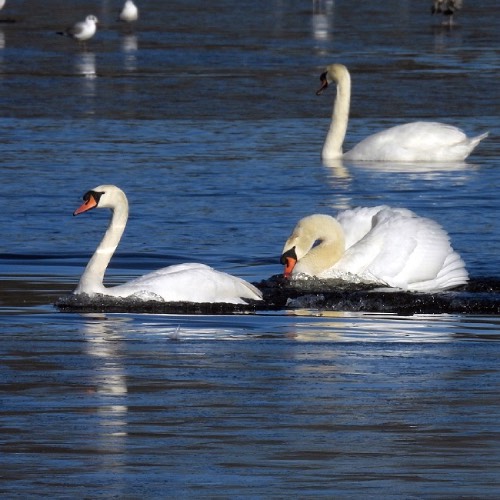 |
The couple of brief visits to Hogganfield were fairly successful (23 species photographed). My
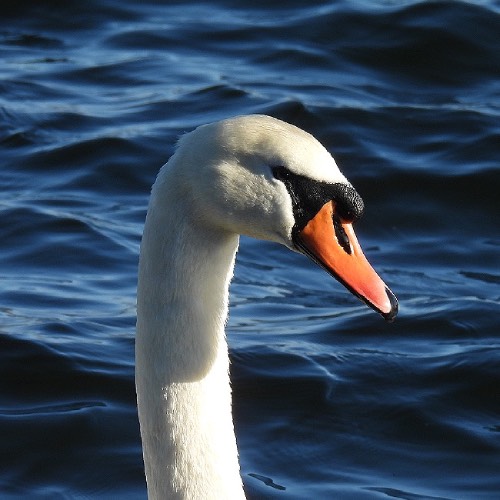
favourite shots were the Moorhen, Gadwalls, Robin and the portrait shots of the Tufty and Swans.
Fingers crossed for another bright winter day next week
Week ending: 8th February 2026: Strathclyde Country Park, RSPB Baron’s Haugh
The miserable weather continued this week with the Sun hiding behind dreary clouds for most of
the time.
Saturday, 7th February: Strathclyde Country Park
I waited for the weather to brighten and it was Saturday before that happened and I felt a walk
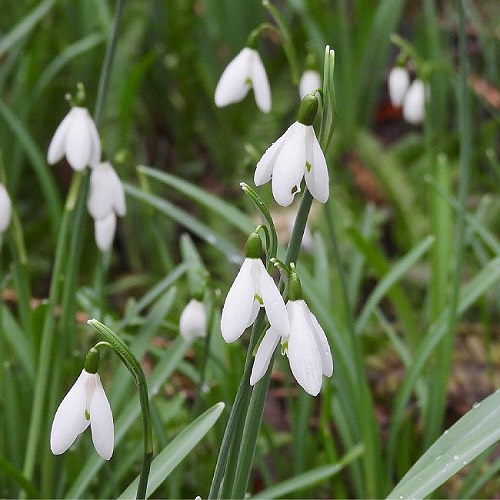
with my camera would be worth while. The walk was brief but during it I recorded my first fully
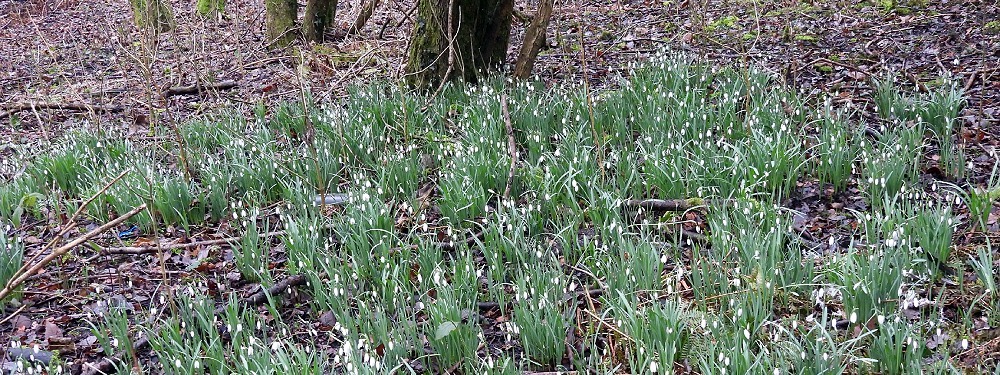
open Snowdrops…..
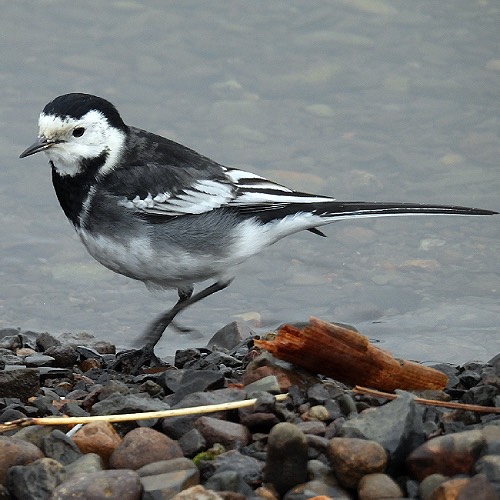
….and followed this with a nice shot of a male Pied Wagtail working its way along the side of the
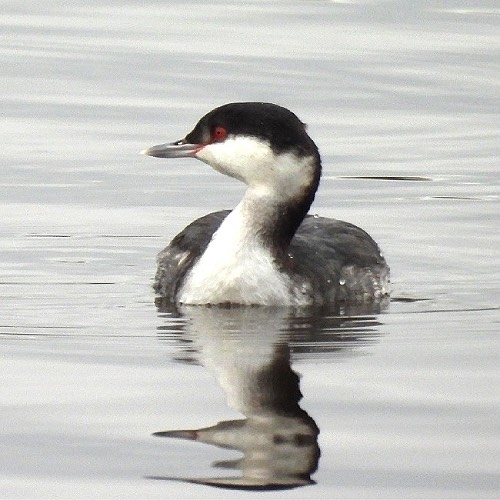
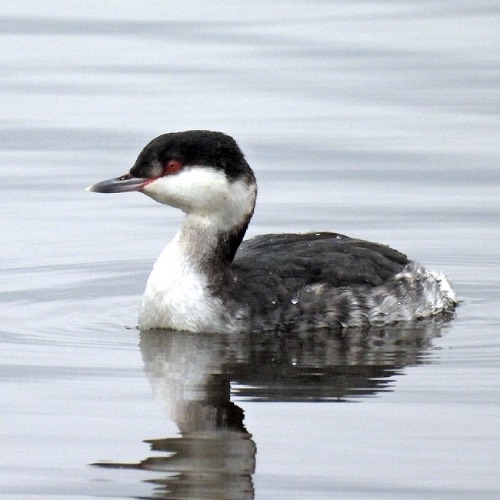
loch. But the sighting that made the brief visit very worthwhile was that of a rare visitor to the park - a Slavonian Grebe. It was of course in its non-breeding (winter) plumage.
Sunday, 8th February: RSPB Baron’s Haugh
The weather on the next day still was not bright, but at least it was dry, if a little chilly. I headed to
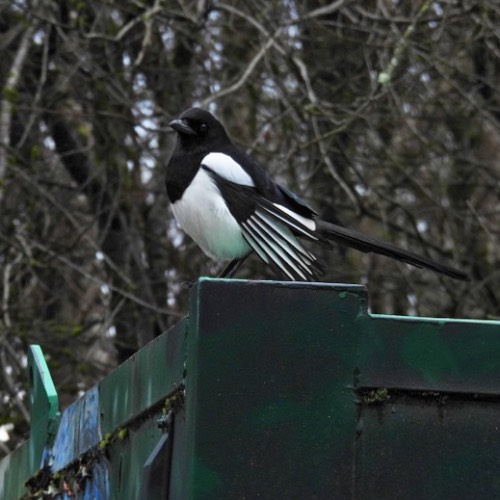
Baron’s Haugh and got my first shot in the car park - a snap of a bold Magpie loitering on the
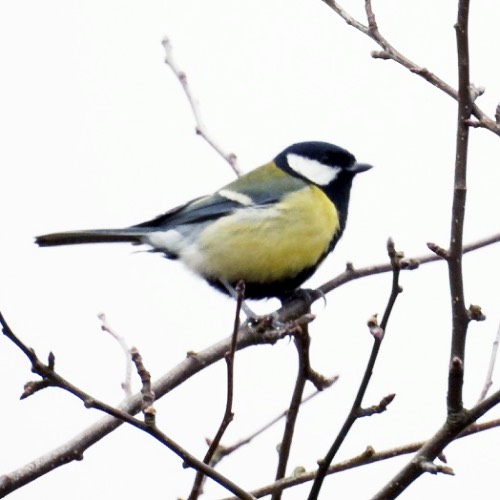
RSPB Warden’s porta cabin. A Great Tit was feeding on a path-side bush and a very friendly
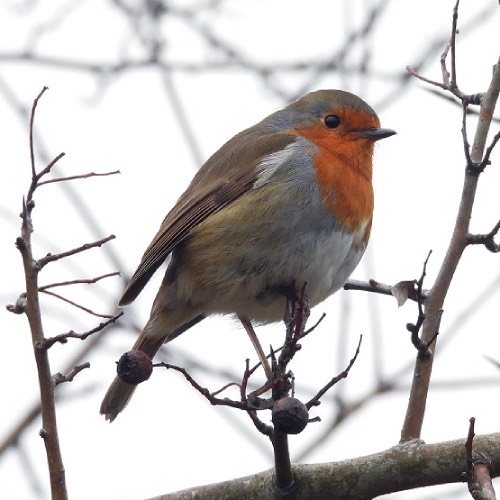
Robin landed 2m away on the branch of another bush. Some Woodpigeons were perched on high
trees near where the path passes through a gap in a line of trees.
| Magpie |
Great Tit |
 |
 |
| Robin |
Wood Pigeon |
 |
 |
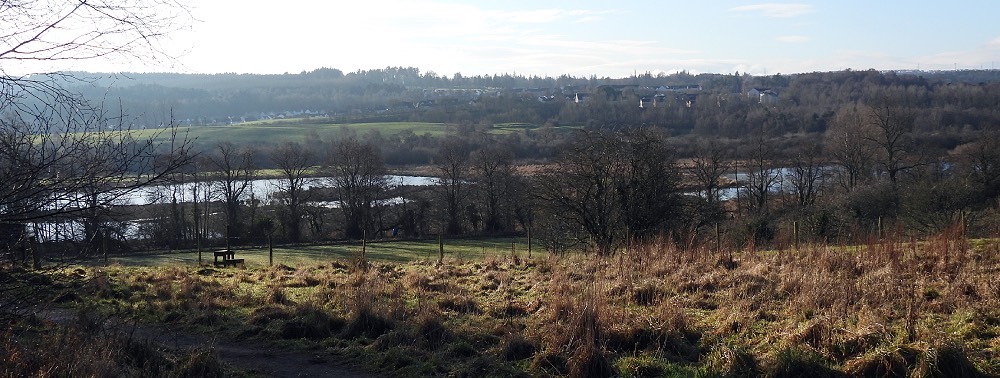
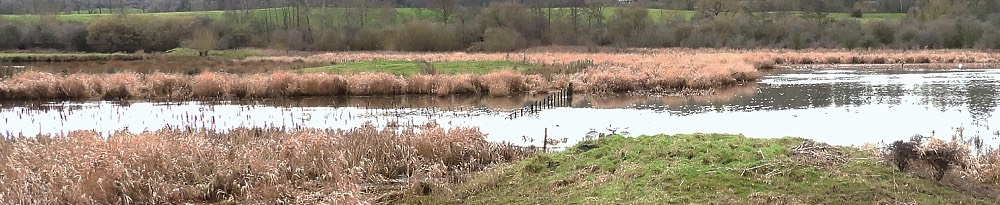
Below is the view of of the Haugh as seen from the path after the gap in the trees.
I continued into the Marsh hide and was pleased that there seemed to be a fair number of birds
on and around the scrapes, although, due to the recent rainfall, the water level was a bit high.
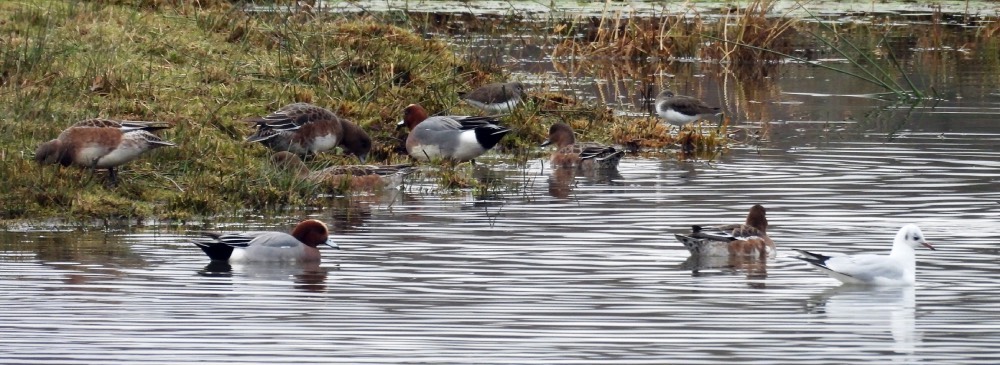
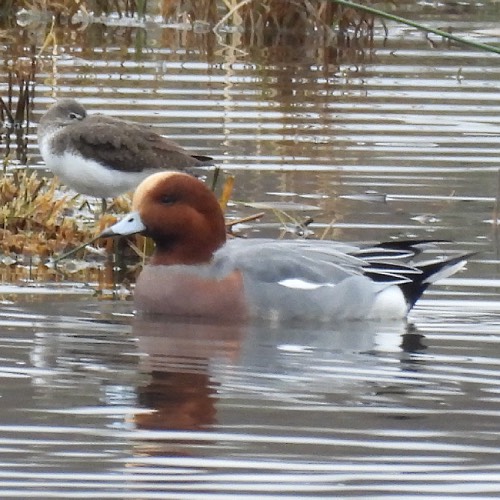
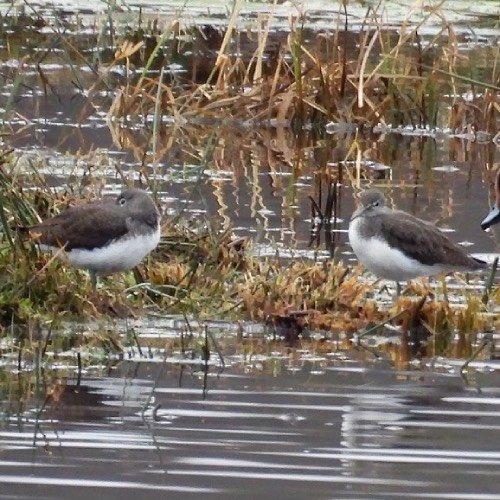
Wigeon were busy at the back of the main scrape, and als notice the pair of Green Sandpipers near the Wigeon.
The male Wigeons are more brightly coloured than the females.The Green Sandpiper are smaller
than the Wigeons but didn’t seem threatened by them, although they kept an eye on them when
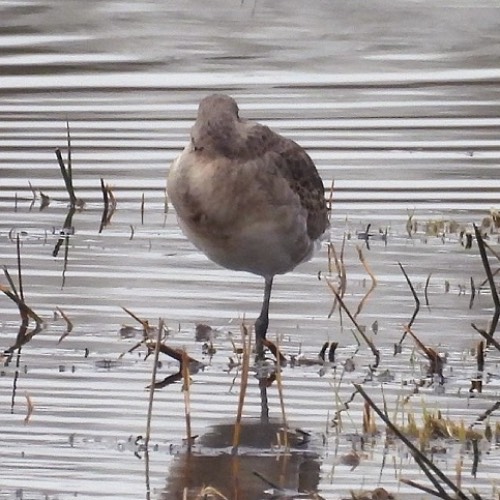
the ducks got lively. Another birder drew my attention to a solitary Black-tailed Godwit that
was snoozing at the start of a short water channel at the back of the scrape. Unfortunately it
maintained that pose for the duration of my visit.
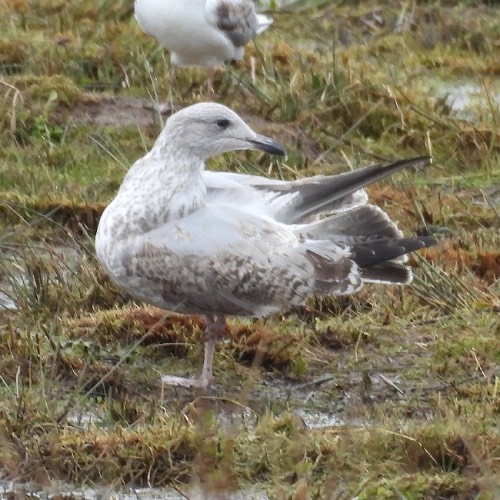
A juvenile Herring Gull flew in and started preening not far from the sandpipers, but didn’t disturb
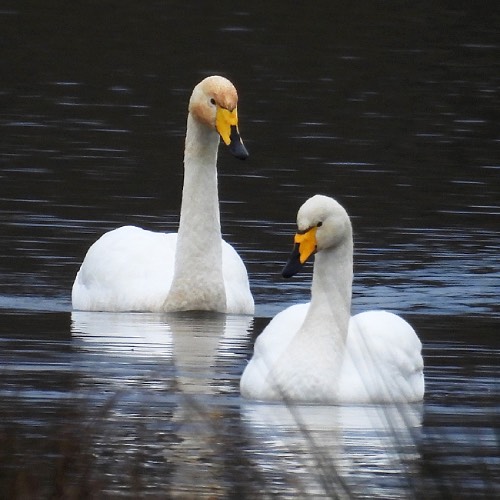
their slumbers. I realised that the six swans on the expanse of water to the left of the scrapes
were Whooper Swans. They seemed to be a bit restless. My attention returned to the
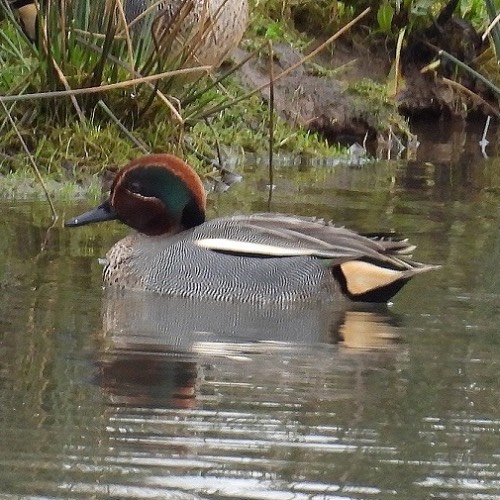
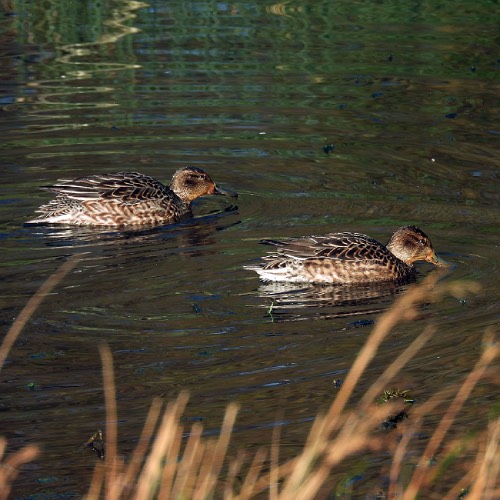
scrape where some Teal had come into view after having been hidden in vegetation. Again
the male birds are the pretty ones.
| 2nd Cycle Herring Gull |
Whooper Swan |
 |
 |
| Drake Teal |
Female Teal |
 |
 |
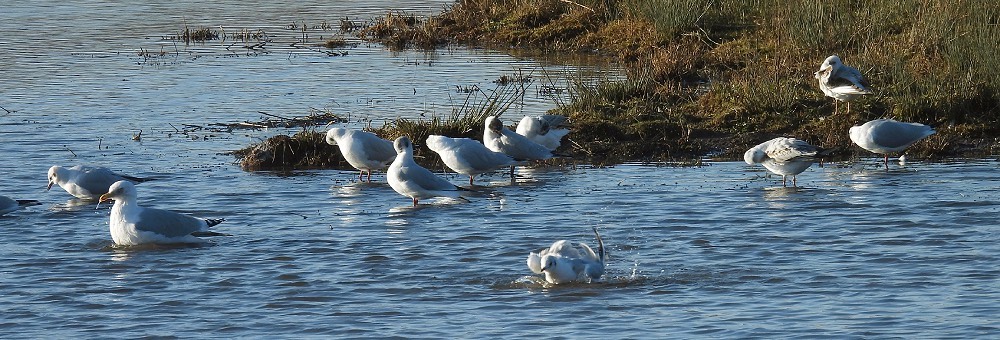
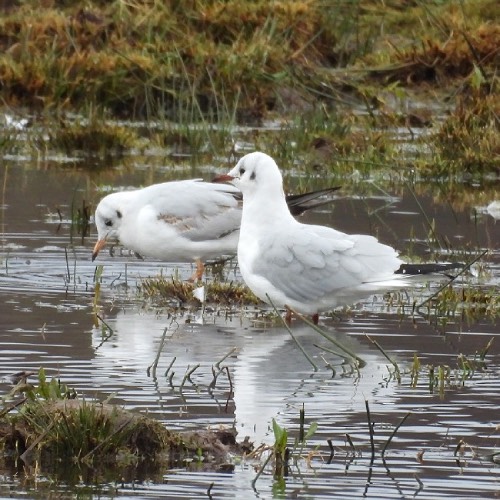
A rare break in the clouds lit up the scrapes just as a small flock of Black-headed Gulls and a
Herring Gull flew in for a wee bath.
The first picture shows an adult Black-headed Gull with a 1st-winter juvenile (which has brown
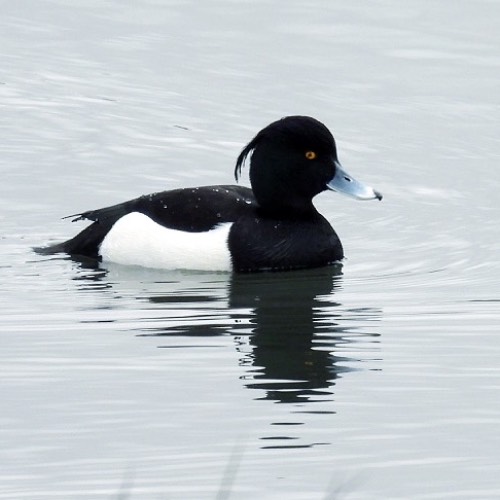
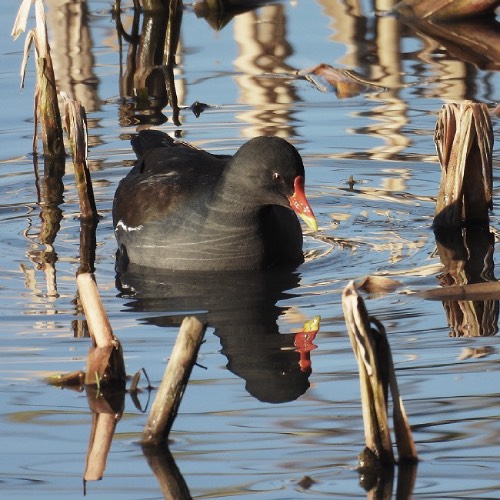
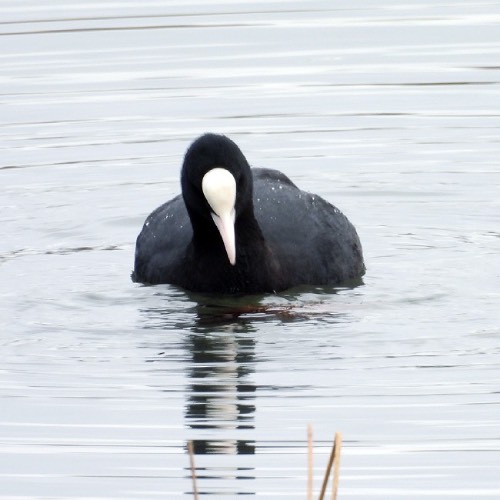
patches of plumage). A male Tufted Duck paddled past the water nearest the hide along with a
Moorhen and some Coots.
| Black - headed Gull |
Tufted Duck |
 |
 |
| Moorhen |
Coot |
 |
 |
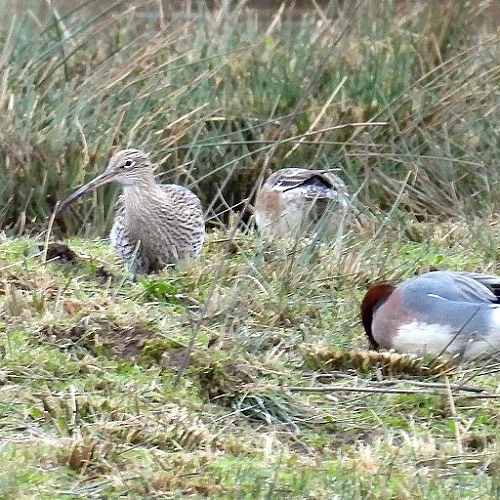
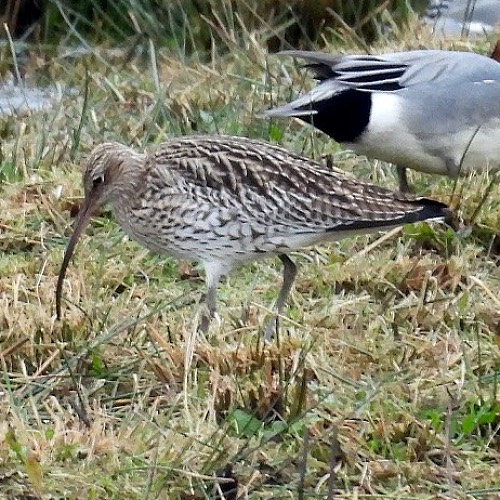
A couple of Curlew appeared foraging in the grass near where I had first seen the Wigeon and
Sandpipers. The Curlews had been in a hidden channel. The Sun disappeared again as a pair of
Gadwalls paddled nearer on a water channel to the back right of the main scrape.
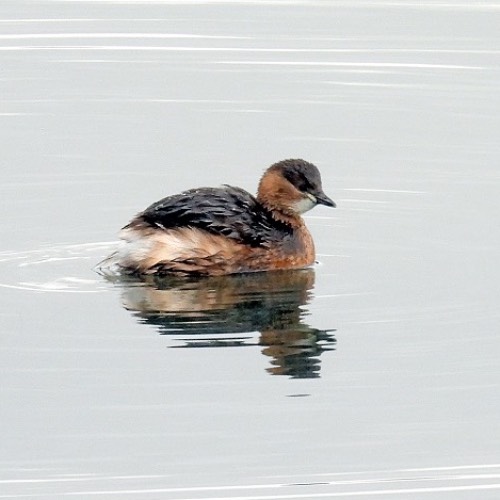
I snapped a Little Grebe that I’d only been getting fleeting views of due to tall reeds, before
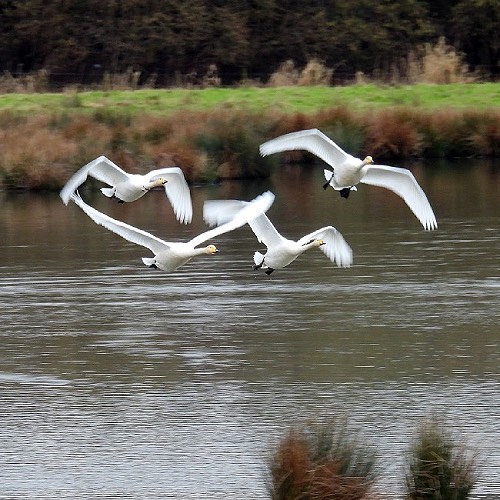
it started diving further from the bank. After that the Whoopers took flight and flew toward the
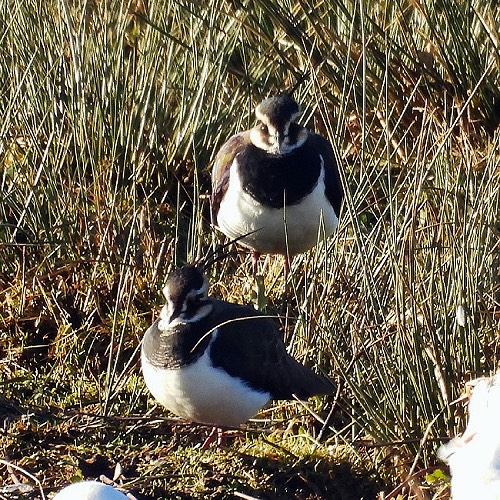
main Haugh - to where I was about to relocate. After photographing a couple of Lapwings
that were standing on a grassy bank to the left of the scrape, I headed for the Causeway hide. On
my way along the exit path I saw a Woodpigeon which caught another rare shaft of sunlight.
| Little Grebe |
Whooper Swan |
 |
 |
| Lapwing |
Wood Pigeon |
 |
 |
By the time I reached the Causeway hide the sunlight had gone again. There weren’t many birds
on the Haugh probably due to the raised water level.
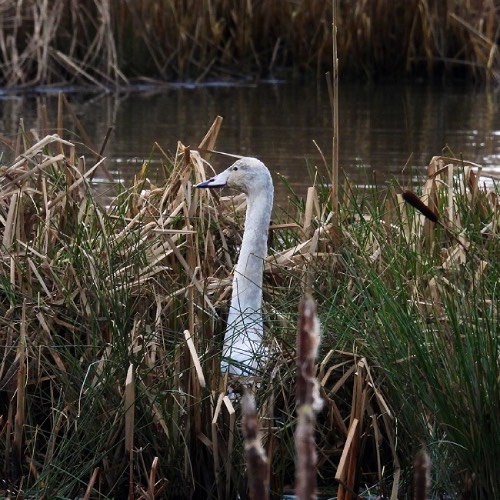
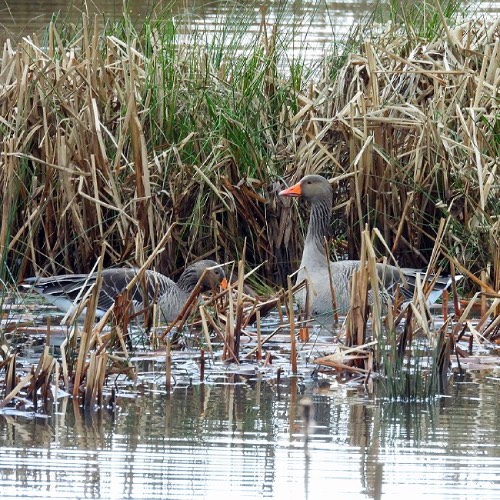
I spotted a juvenile Whooper Swan in a clump of vegetation to the front left of the hide. A pair of
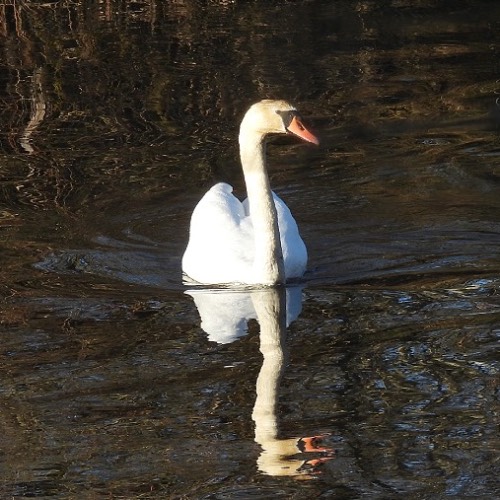
Greylag Geese were beside it. I also saw a Mute Swan paddling quite far to the right of the hide. I
didn’t hang around long at the Causeway hide and as I left it I spotted a pair of Blue Tits high in
the bushes that line the path.
| Juvenile Whooper Swan |
Greylag Goose |
 |
 |
| Mute Swan |
Blue Tit |
 |
 |
To return to the car park I took the route left from the Causeway hide up and around the
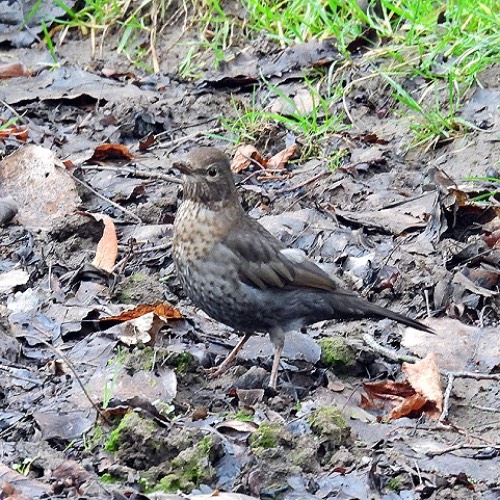
perimeters of the fields. As I followed that route I got shots of a female Blackbird at the edge of a
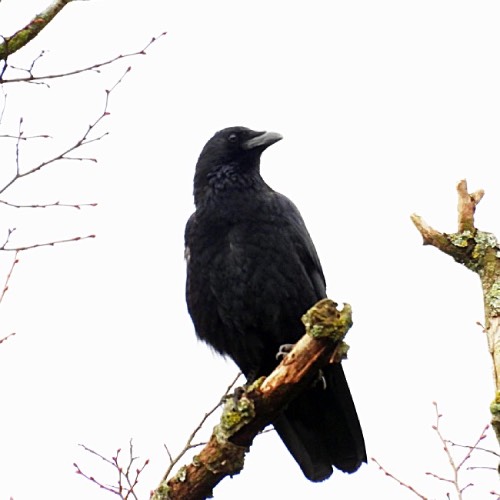
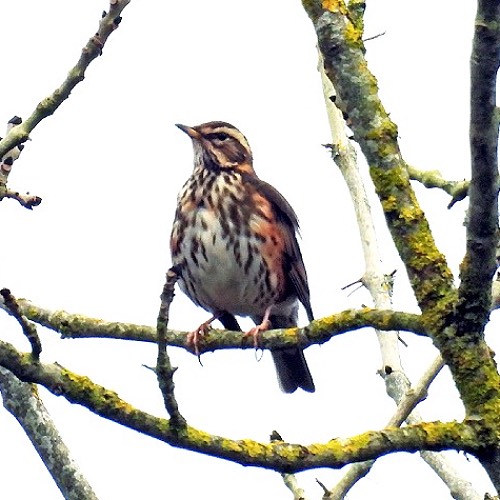
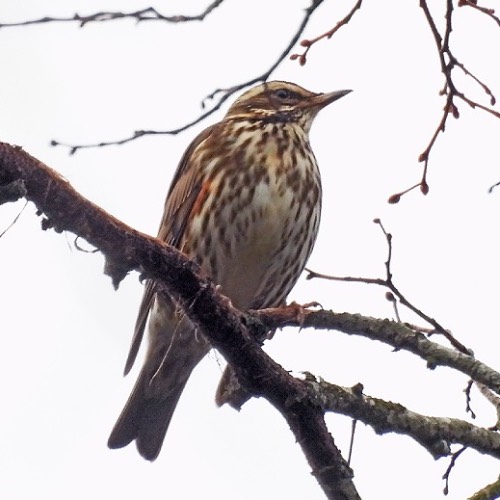
field and a Carrion Crow that was watching me from its perch high in a tree. There were Redwings in those trees, waiting for me to pass so that they could resume their search through leaf
litter for food.
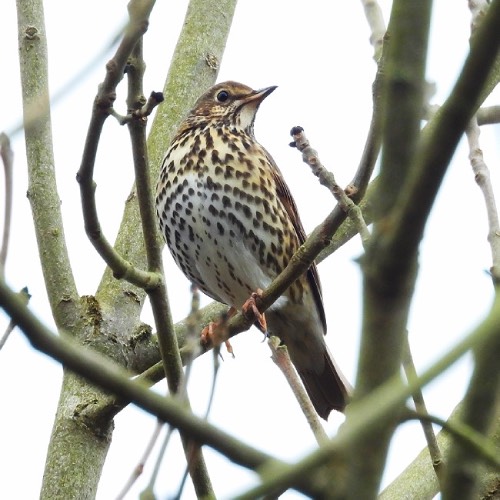
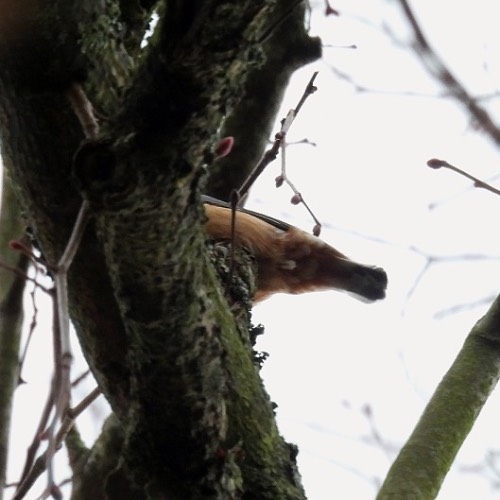
I also came across a Song Thrush in the trees and also a Nuthatch (although it flew
off before I could improve on the shot below in which only its tail is seen). Near the car park I
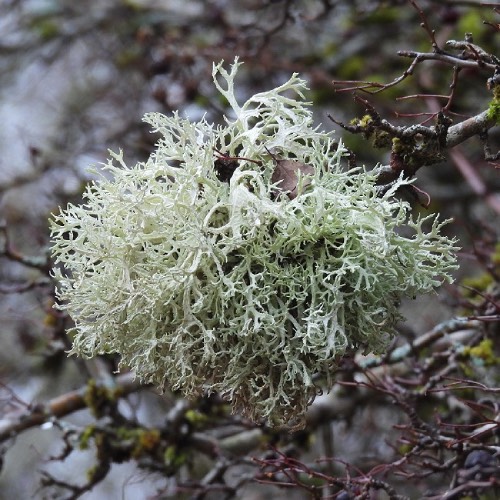
found that some of the Hawthorns had Oak Moss Lichen growing on their branches. I
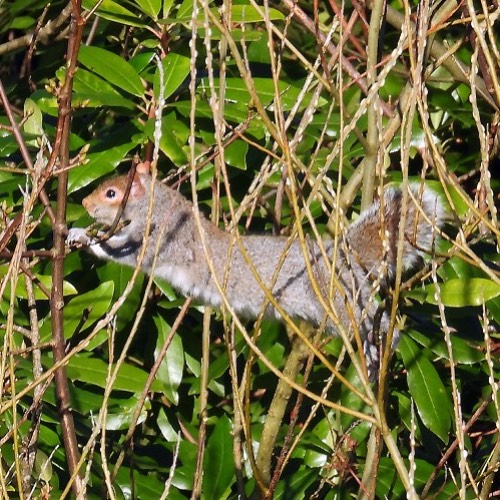
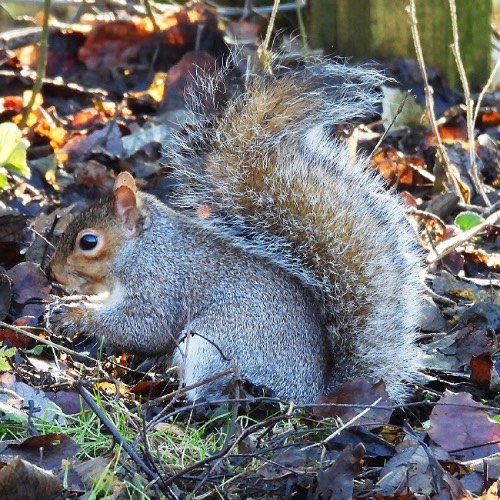
ended the visit with a very pleasing shot of a cheeky wee Grey Squirrel that was beside my
car nibbling something tasty.
| Song Thrush |
Nuthatch |
 |
 |
| Oak Moss Lichen |
Grey Squirrel |
 |
 |
It was a fairly successful couple of days - 31species photographed. My favourites are Snowdrops
and Slavonian Grebe at Strathclyde Park, and the Whoopers Swans, Green Sandpipers and Grey
Squirrel at Baron’s Haugh. The grey weather is predicted to continue well into next week and we
may not see the Sun until next weekend. I’ll look forward to that.
Week ending: 1st February 2026: Strathclyde Country Park, Hogganfield Park LNR
Winter was taking hold this week. The weather in West Central Scotland was dull, wet and cold
for much of the week (better than in the east side of the country, which had record-breaking
amounts of rain and snow). I managed to get out with the camera on a couple of dry, and
sometimes sunny days, to gather a “blogsworth” of sightings.
Tuesday, 27th January: Strathclyde Country Park
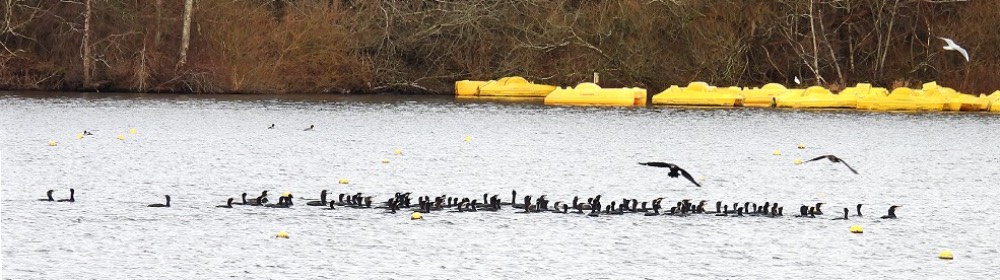
My first outing was to a cold and gloomy, but dry Strathclyde Park, where I straightaway
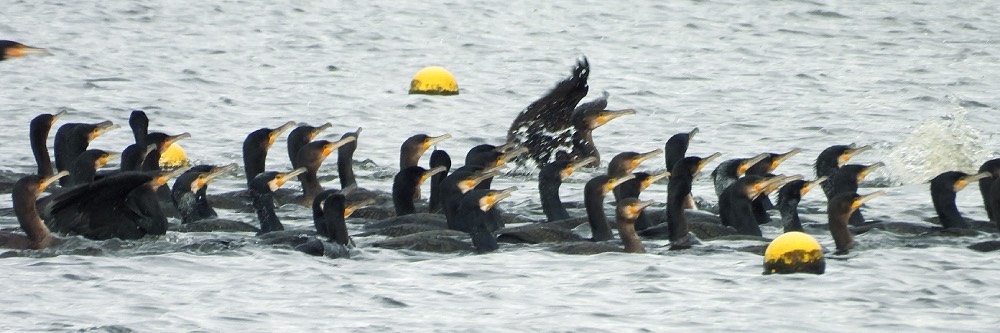
encountered a huge raft of Cormorants that was travelling northwards on the loch, diving
for fish…..
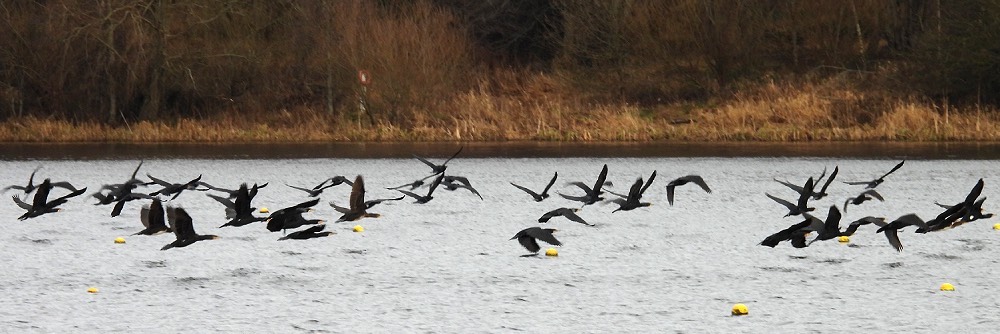
The Cormorant flock (often referred to as a “gulp”) was very well organised as you can see….
When they reached the head of the loch they rose as one and flew south, presumably to start
another sweep of the loch.
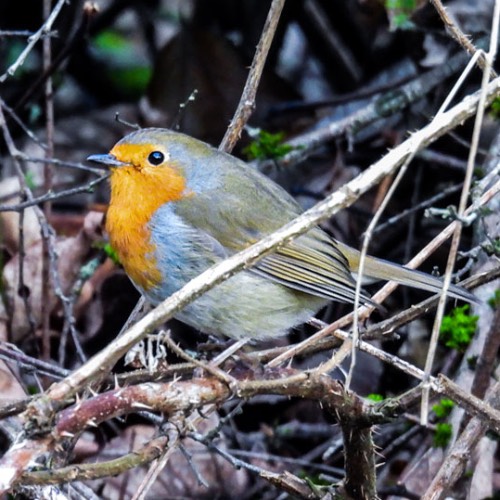
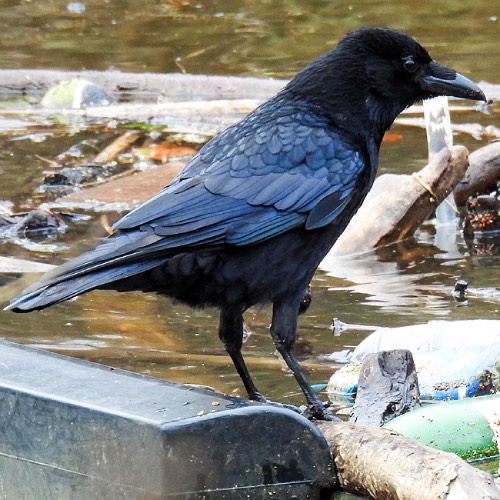
At the mouth of the South Calder river I was pleased to see a wee Robin and there were a couple
of Carrion Crows on the rubbish boom that spans the river. They were foraging through the trash
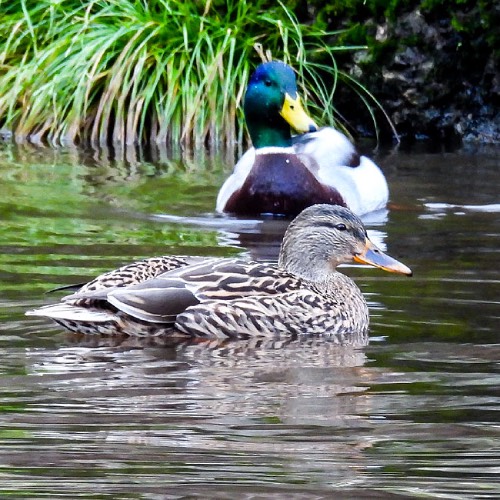
and occasionally they were rewarded for their effort. Beyond the boom a pair of Mallards were
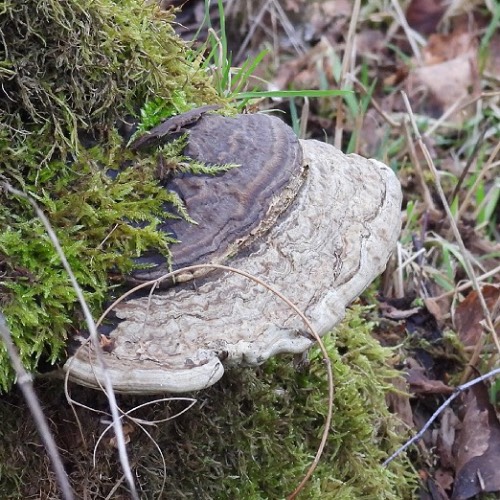
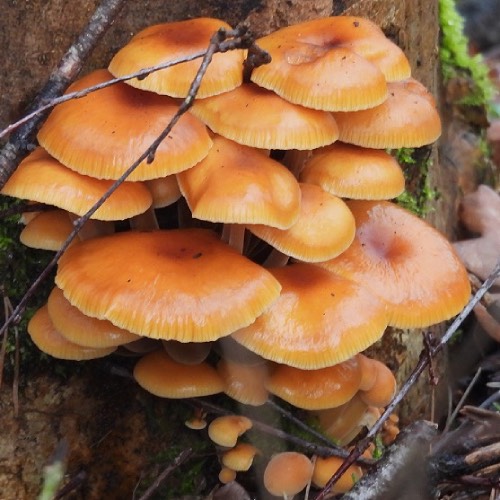
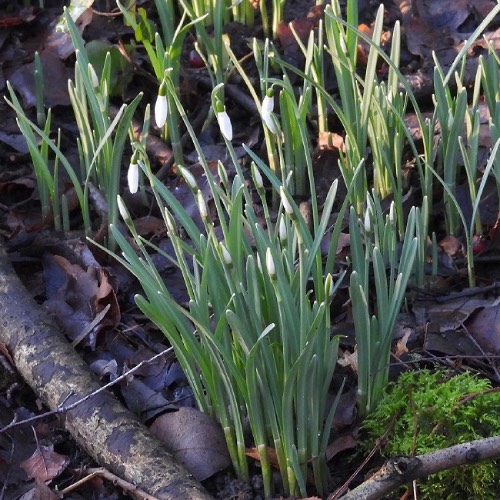
getting frisky. My route took me along a path that runs to the east of M&D’s fairground. I found a
couple of fungi, Artists Fungus and Velvet Shank, and also my first flower find of the new year -
Snowdrops.
| Robin |
Carrion Crow |
 |
 |
| Female Mallard |
Artist's Fungus ( Bracket) |
 |
 |
| Velvet Shank |
Common Snowdrop |
 |
 |
Wednesday, Thursday, 28th, 29th January : Hogganfield Park LNR
On the following two days I walked around Hogganfield Park. The weather was dry during these
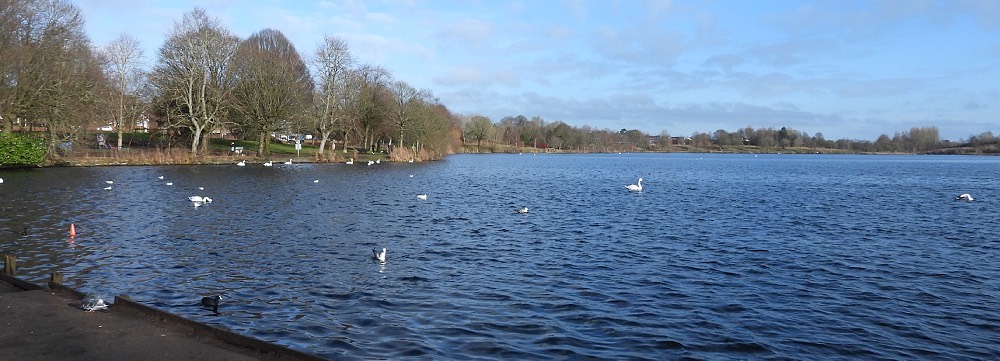
visits, although the sun shone only during Wednesday , when I took the following view of the loch
as seen from the car park.
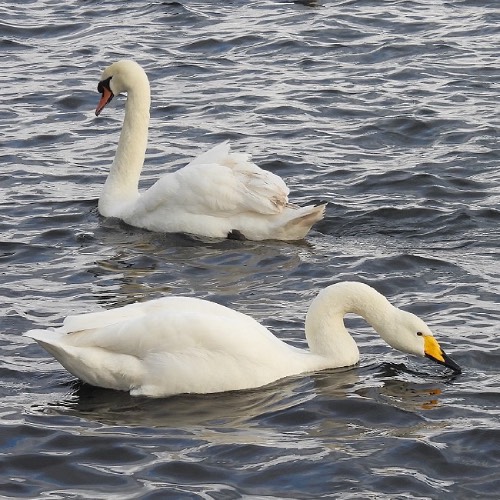
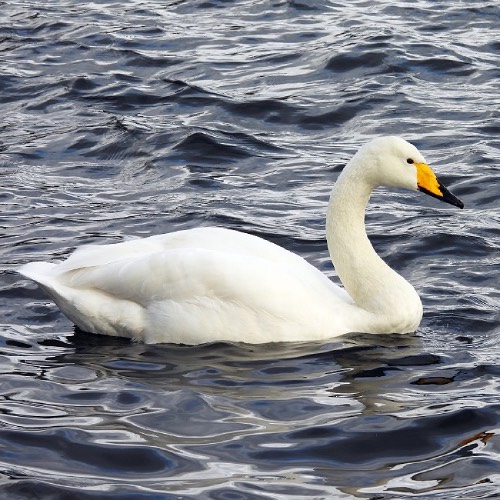
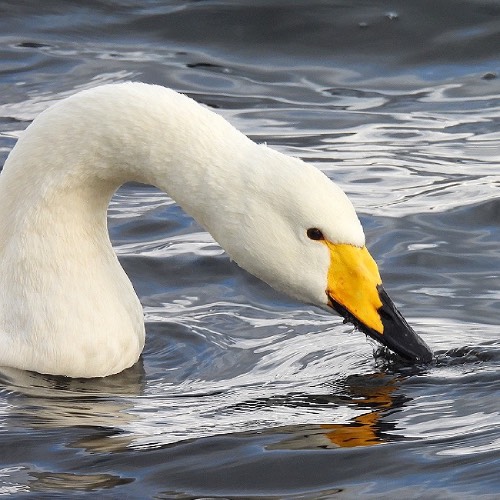
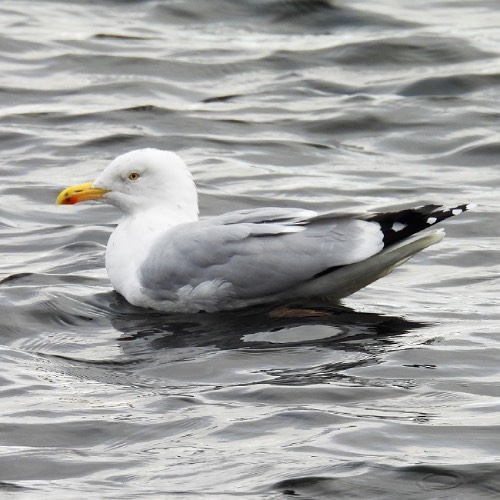
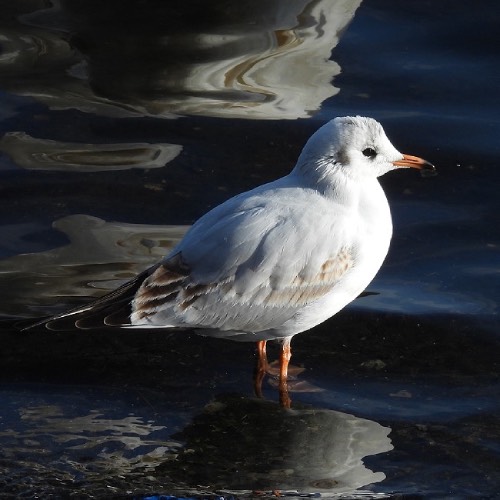
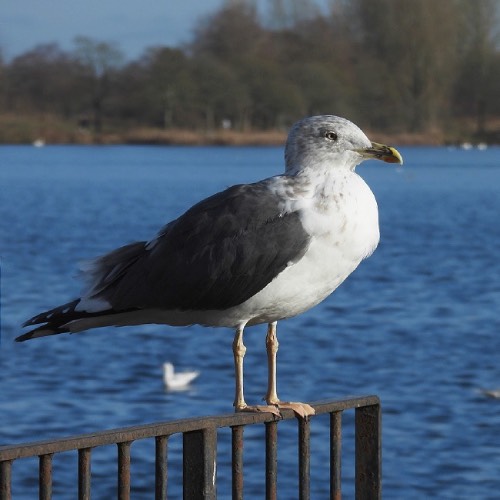
As has become usual at this time of year, there were two species of swan on show: the Mute
Swan and the Whooper Swan (the latter has a yellow marking on its bill). Also there
were three species of gulls: Herring Gulls (large with pink legs), Black-headed Gulls (small with red
or orange beaks and legs) and Lesser Black-backed Gulls (large with yellow legs). Small numbers
of Common Gulls (sized between the large and small birds, with yellow beaks) are usually seen at
the loch but I didn’t see any this week.
| Mute Swan |
Whooper Swan... |
 |
 |
|
Herring Gull |
 |
 |
| 1st Cycle Black - headed Gull |
1st Cycle Lesser Black - backed Gull |
 |
 |
The small black-feathered birds are either Moorhens (red and yellow beak and green legs) or
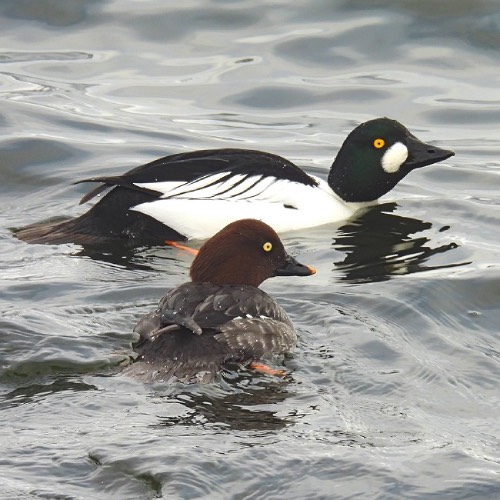
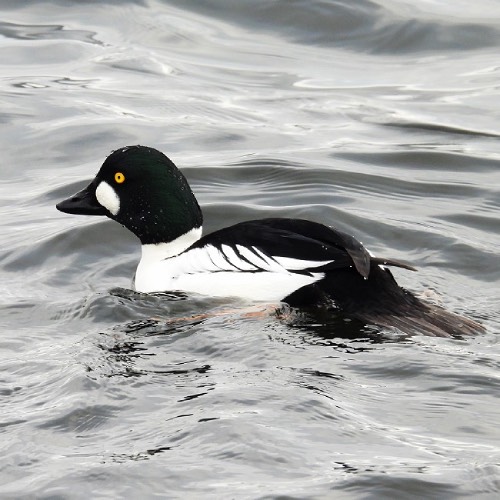
Coots (white head patch and legs). These should not be confused with male Goldeneyes
(black and white ducks with with white cheek patches and golden eyes). The females are brown
headed.
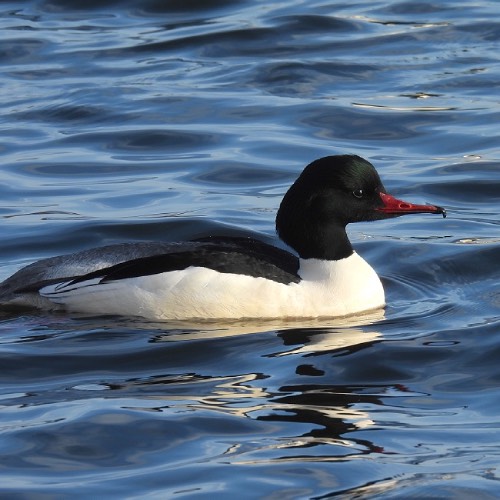
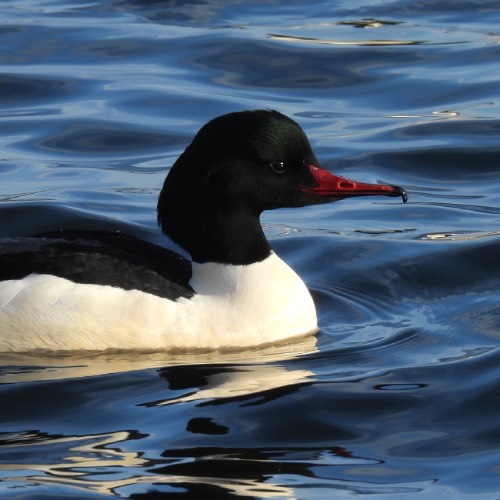
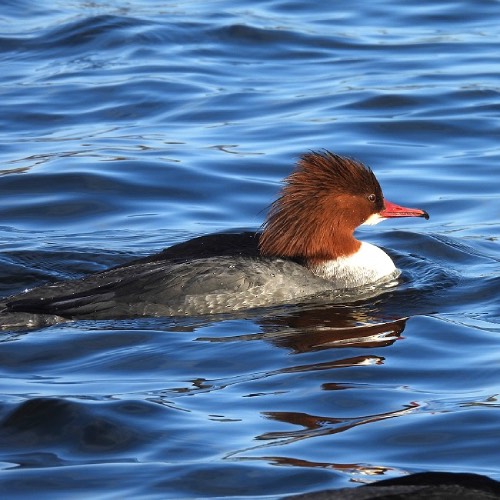
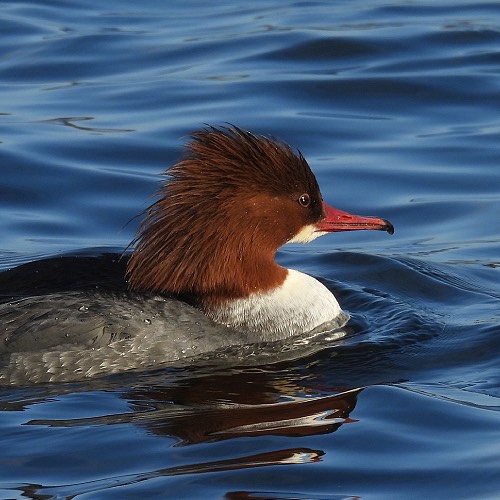
Male Goosanders also have black and white plumage and red beaks, while the females
have ginger heads, grey bodies and red beaks. Goosanders dive for fish which they catch with
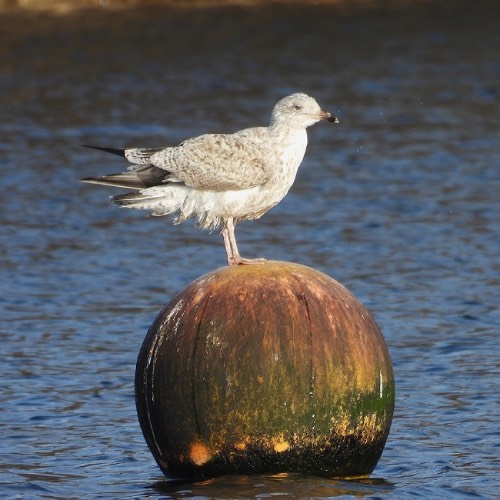
their sharp teeth that line the inside of their beaks. I got a nice shot of a young Herring Gull that
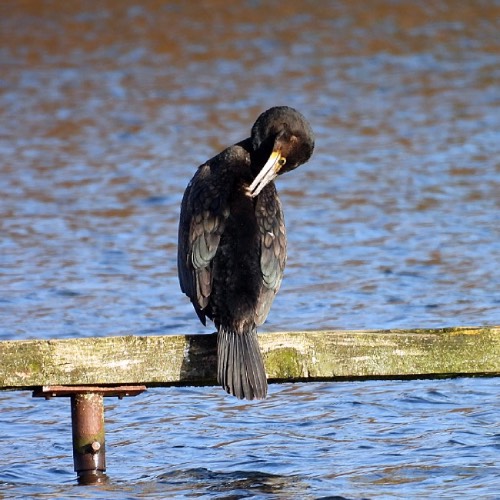
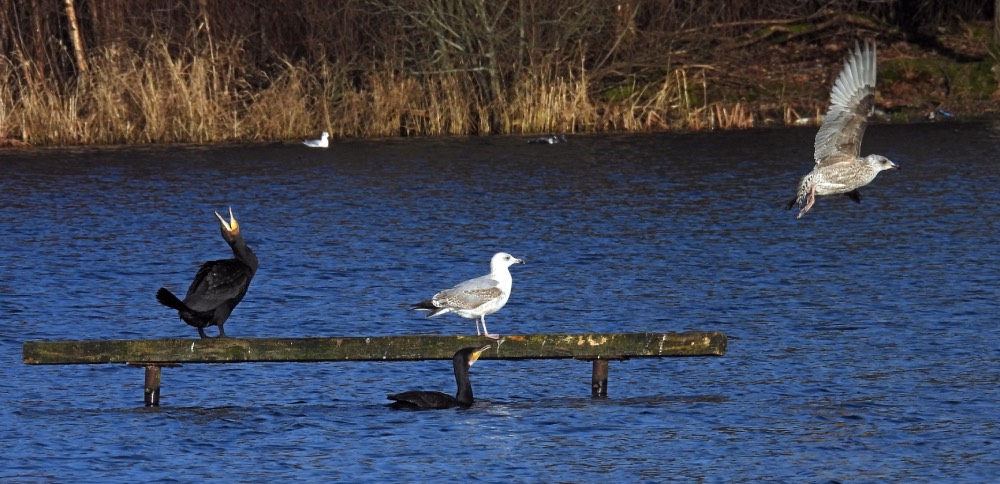
was preening on a well-weathered buoy. South of that buoy a Cormorant was preening on a
wooden rail ……
….. until it was joined by a couple of young Herring Gulls - much to its annoyance.
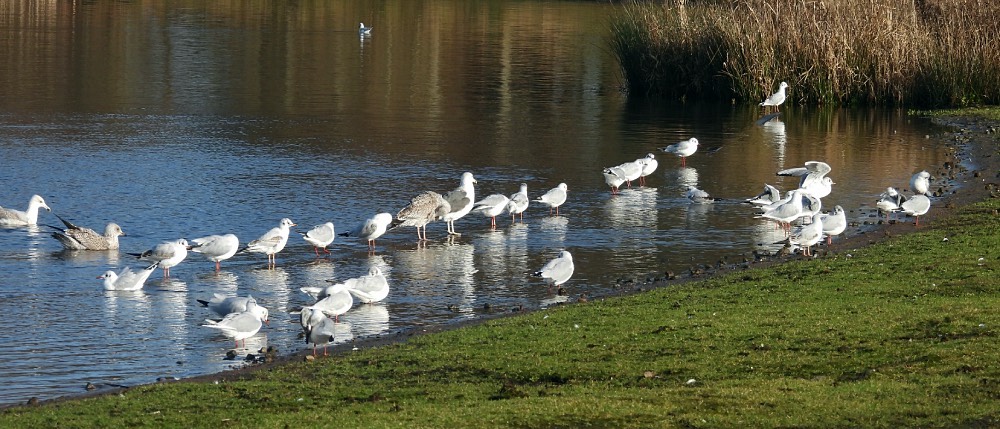
Below is a gathering of mainly Black-headed Gulls on the southwest corner of the loch….
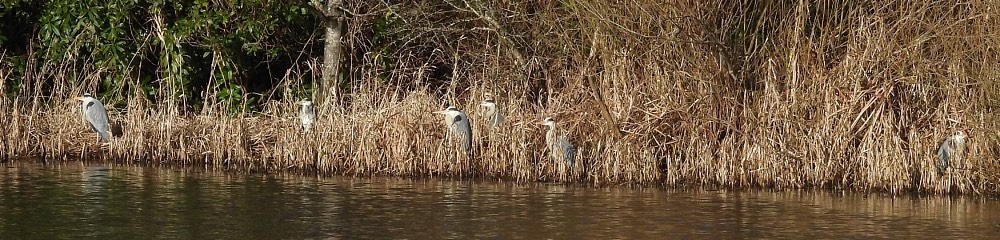
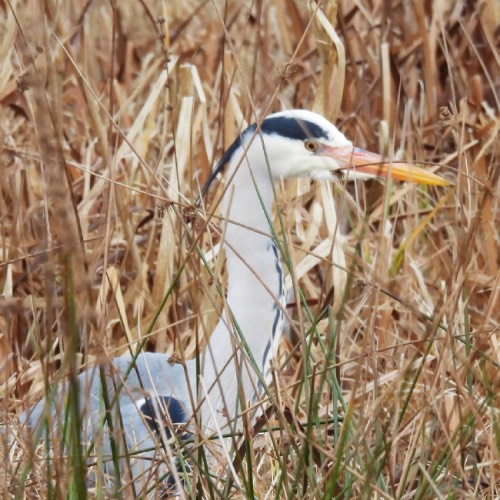
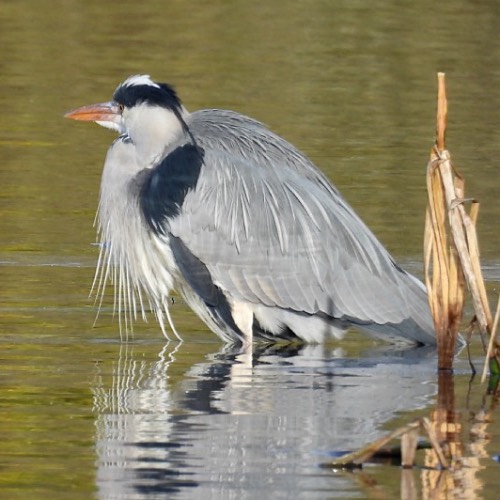
…. and, on the southeast side of the island, six Grey Herons were half hidden at the edge of the
reeds.
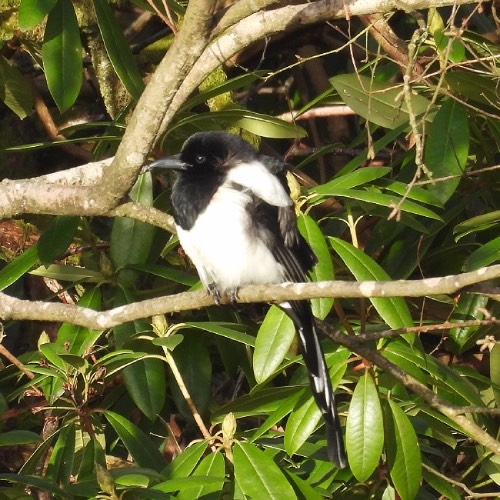
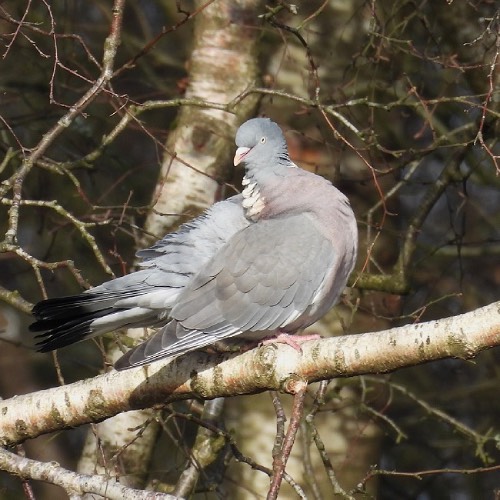
Magpies and Woodpigeons were in the trees near the herons. Another two Grey Herons were by
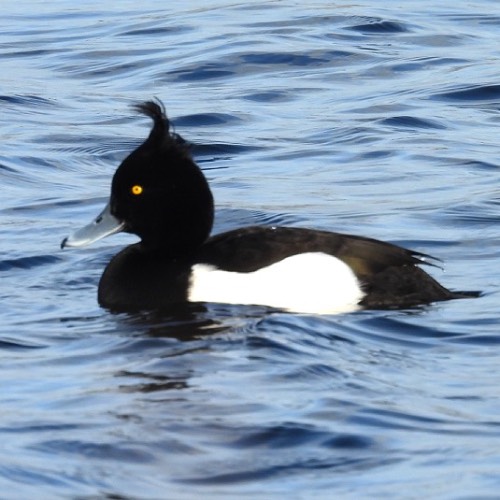
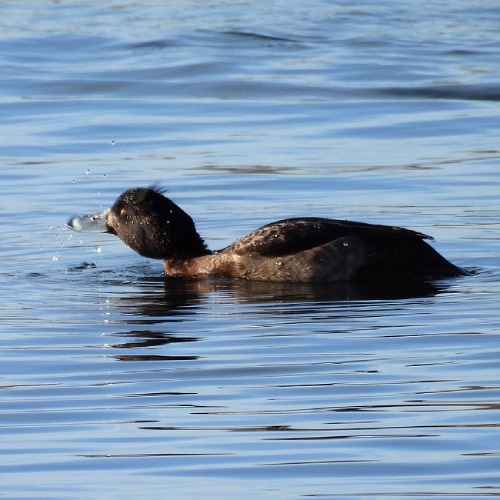
the reeds by the beach, watching those that were on the island. Next I snapped a couple of shots
of a pair of Tufted Ducks that were on the loch east of the island.
| Magpie |
Wood Pigeon |
 |
 |
| Grey Heron... |
|
 |
 |
| Drake Tufted Duck |
Female Tufted Duck |
 |
 |
As usual, I had a wee look at the lovely pond that’s on the east side of the park.
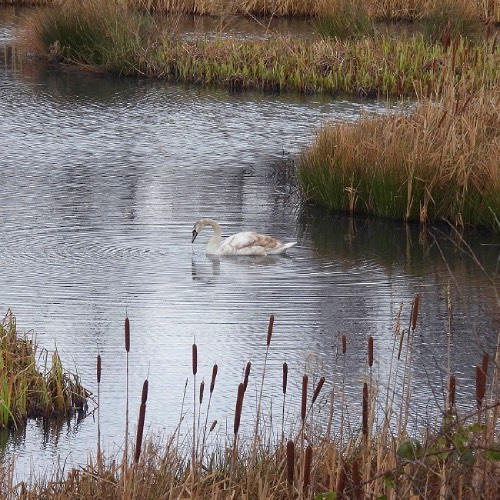
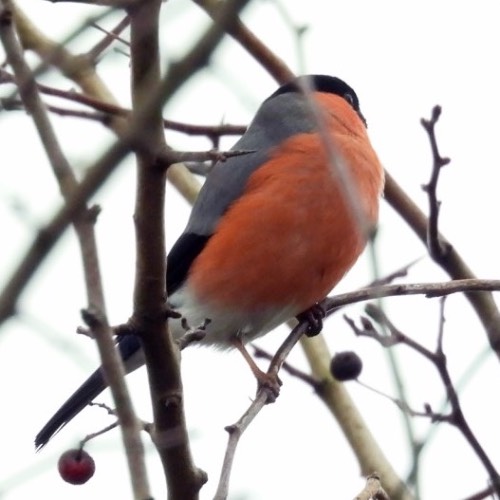
Sadly the pond was only hosting a juvenile Mute Swan. I did though spot a Bullfinch calling
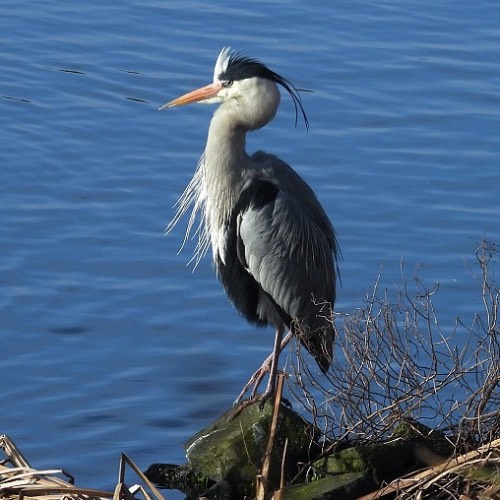
in a Hawthorn bush before returning to the loch where I found yet another Grey Heron, which was
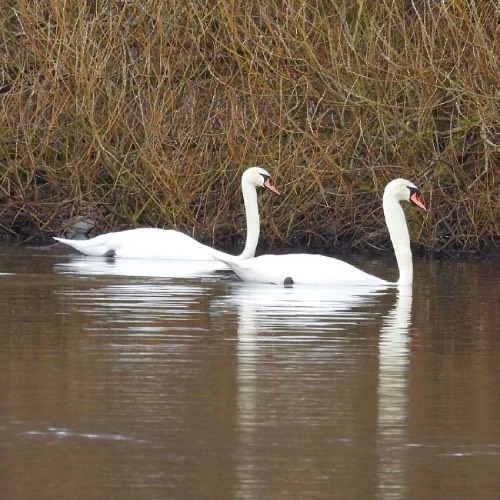
preening at the edge of the loch. The north side of the loch yielded pictures of a pair of Mute
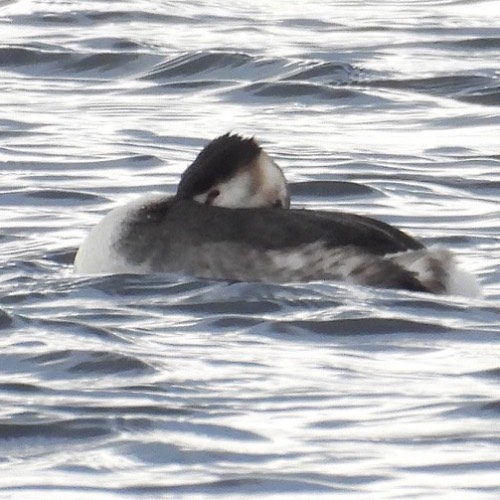
Swans, a drake Gadwall and a distant shot of a snoozing Great Crested Grebe - the only one I
could see on my circuit of the loch.
| Juvenile Mute Swan |
Bullfinch |
 |
 |
| Grey Heron |
Mute Swan |
 |
 |
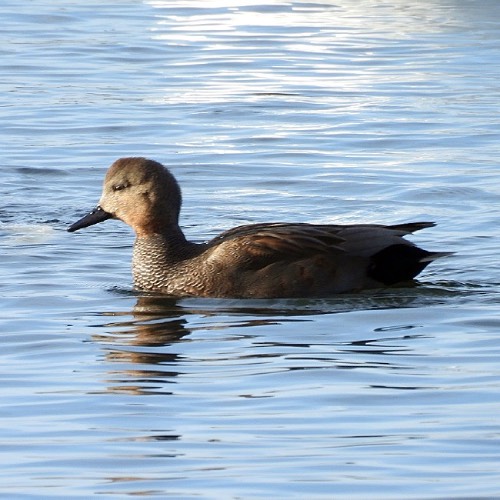
| Gadwall |
Great Crested Grebe |
 |
 |
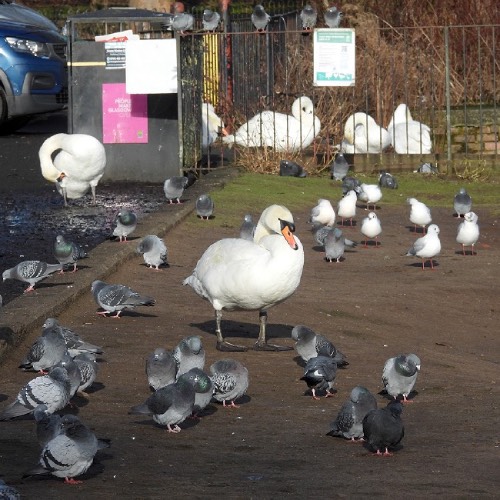
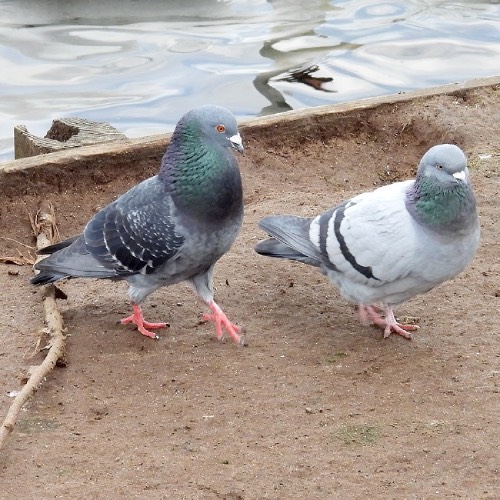
Back at the car park I had a last look at the birds gathered there. A large Mute Swan was on the
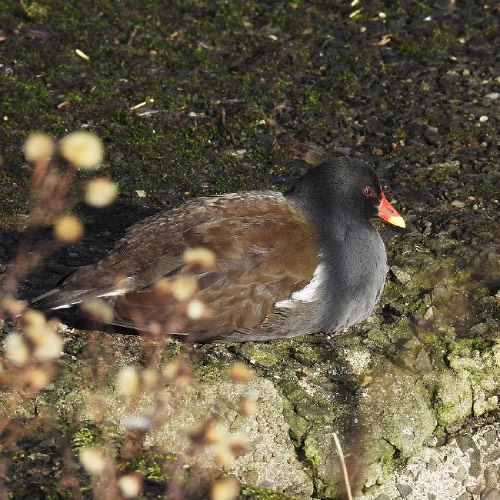
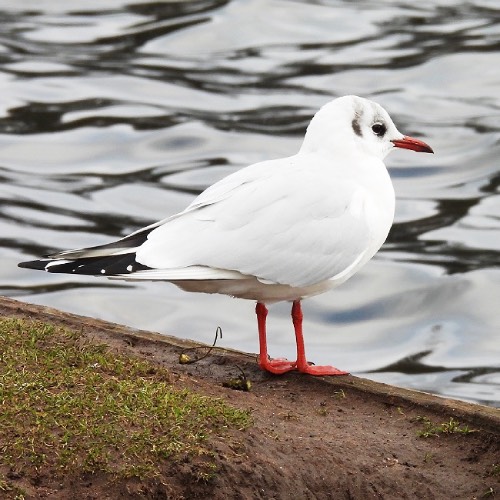
bank surrounded by Feral Pigeons scrapping for tiny morsels of food. By contrast, a Moorhen and
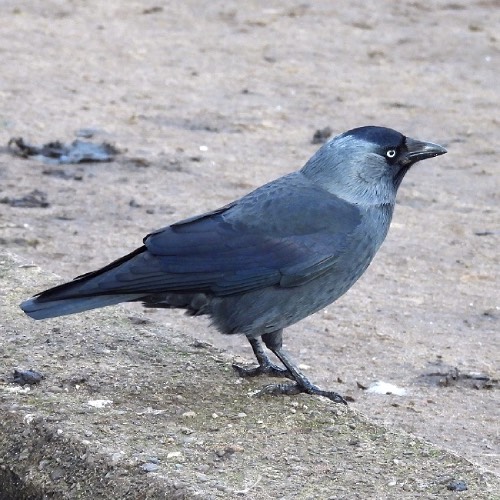
Black-headed Gull were relaxing by the slipway. My final shot was of one of the very mobile
Jackdaws that are always on the lookout for an easy feed.
| Mute Swan |
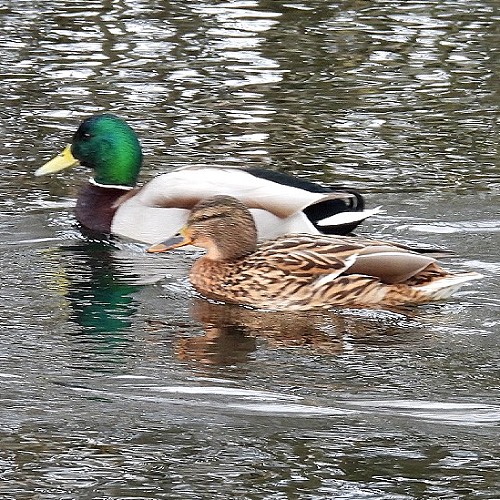
Mallard |
 |
 |
| Feral Pigeon |
Moorhen |
 |
 |
| Black - headed Gull |
Jackdaw |
 |
 |
With 24 species photographed it was a mildly successful week, especially since the weather was
fairly inclement most of the days. My favourites were the Cormorants and fungi at Strathclyde
Park and the sheer number of Grey Herons at Hogganfield. The rotten weather is to continue
through next week too, so I’ll have have to watch for any opportunity to get out with the camera
Back To Top
|